Hiroshima
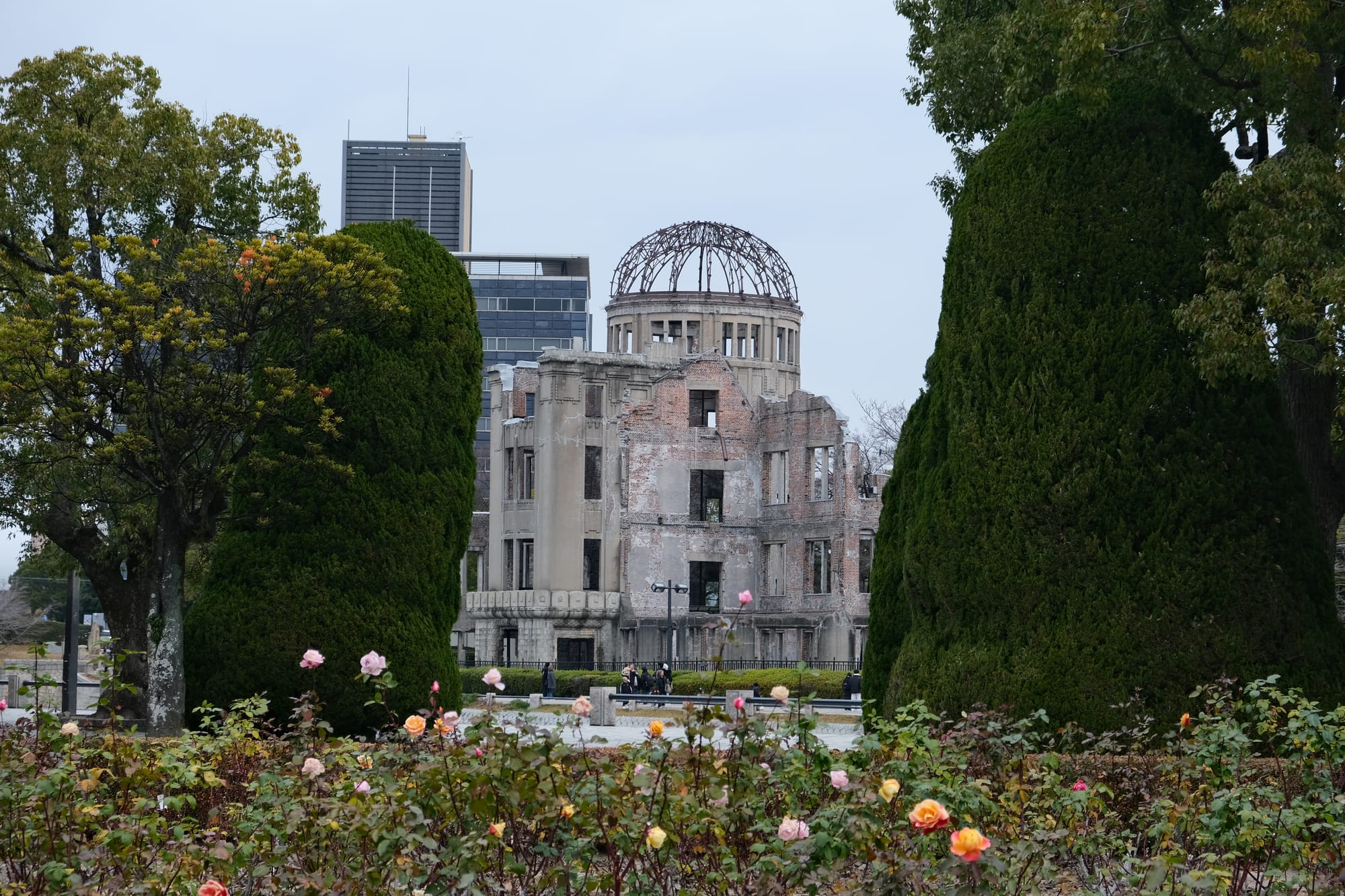
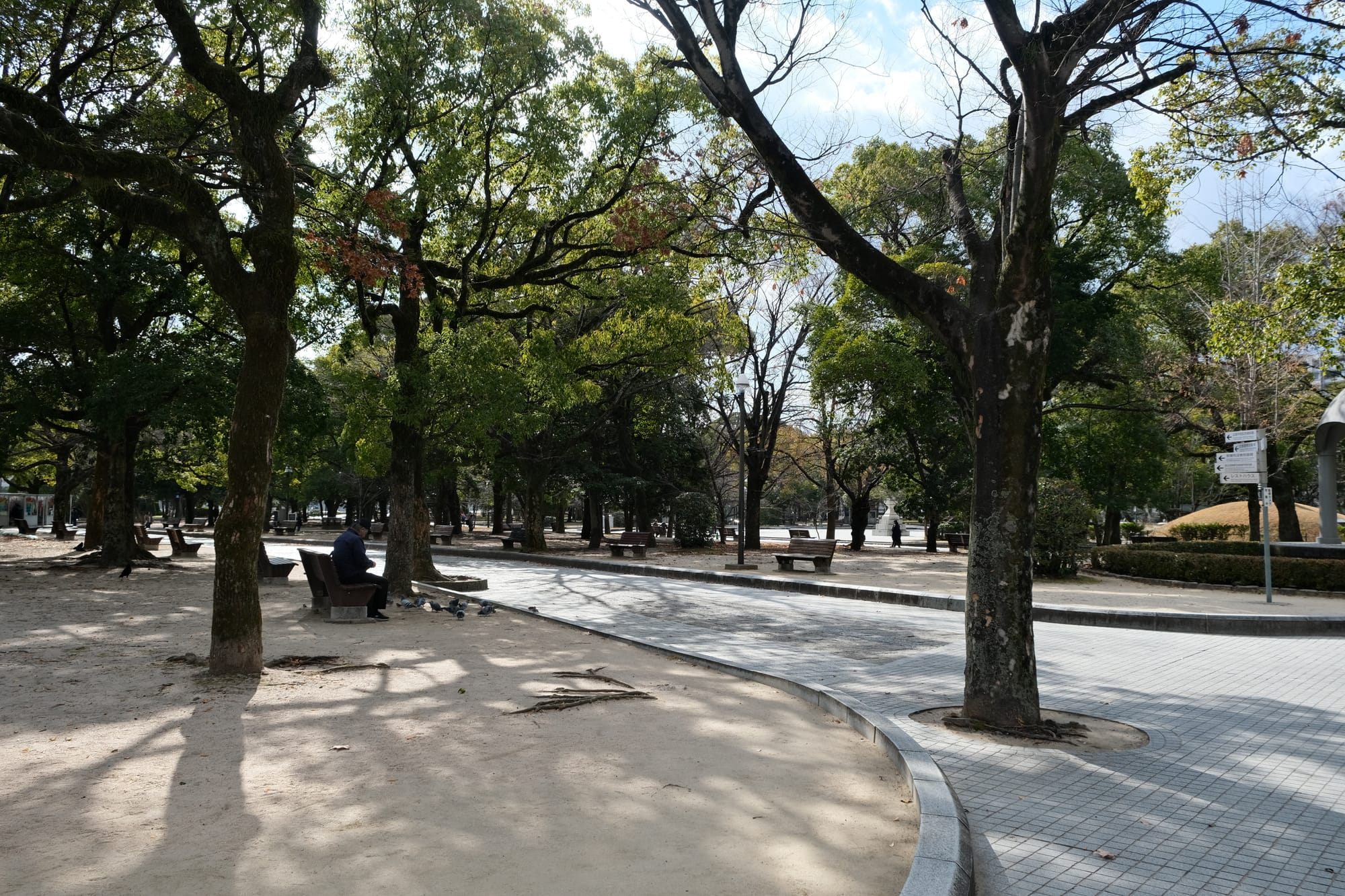
We flew from South Korea to Japan, landing at Hiroshima airport. We were only spending one night in Hiroshima but arrived in the morning so we had two days to explore this city. On the first day we walked through the Peace Park and passed the Atomic Bomb Dome, then we wondered through the city before returning to the Hiroshima Peace Memorial Museum where we spent the rest of the afternoon, until the museum closed. The next day we re-visited the Peace Park and then visited Hiroshima Castle.
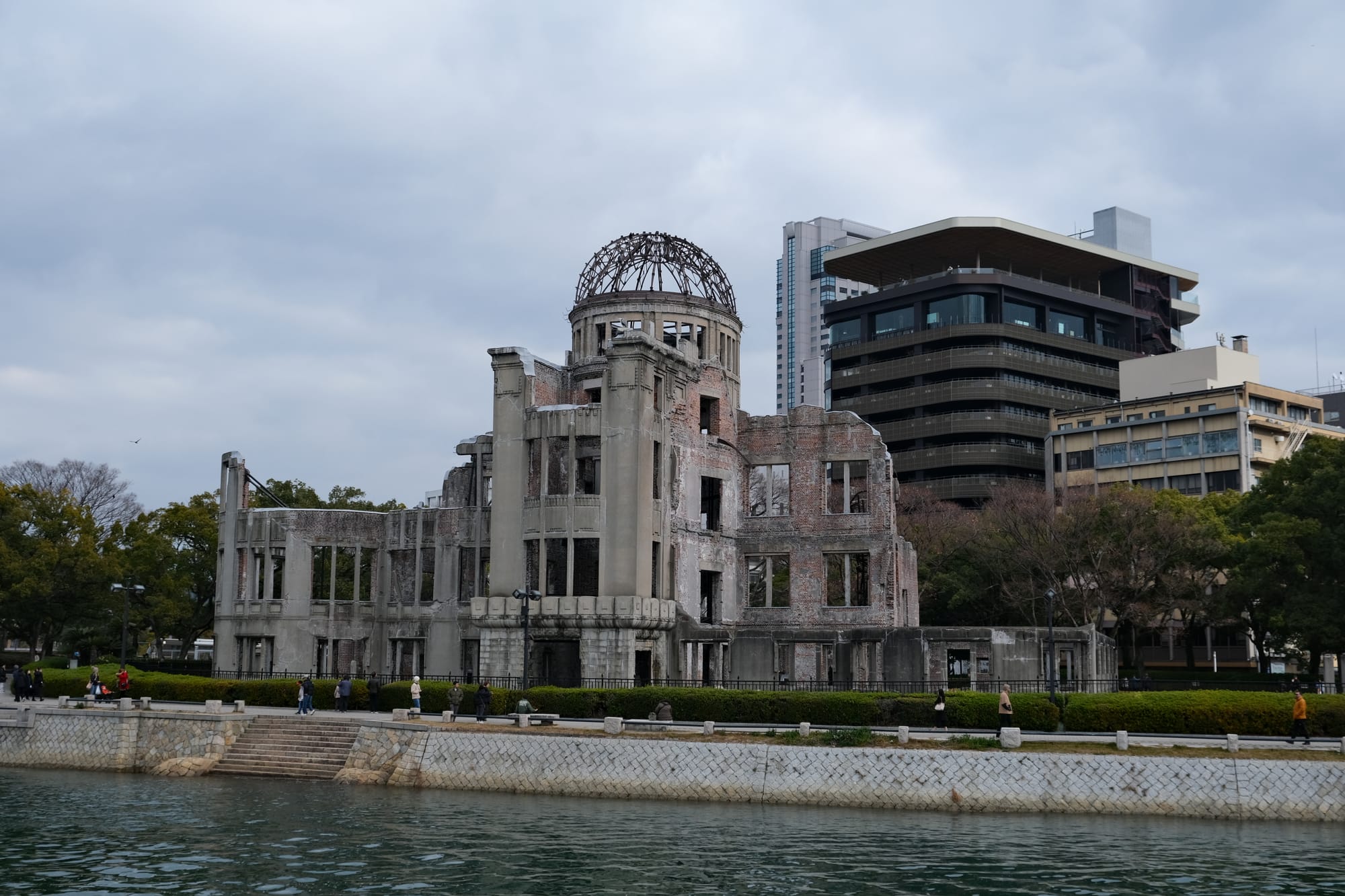
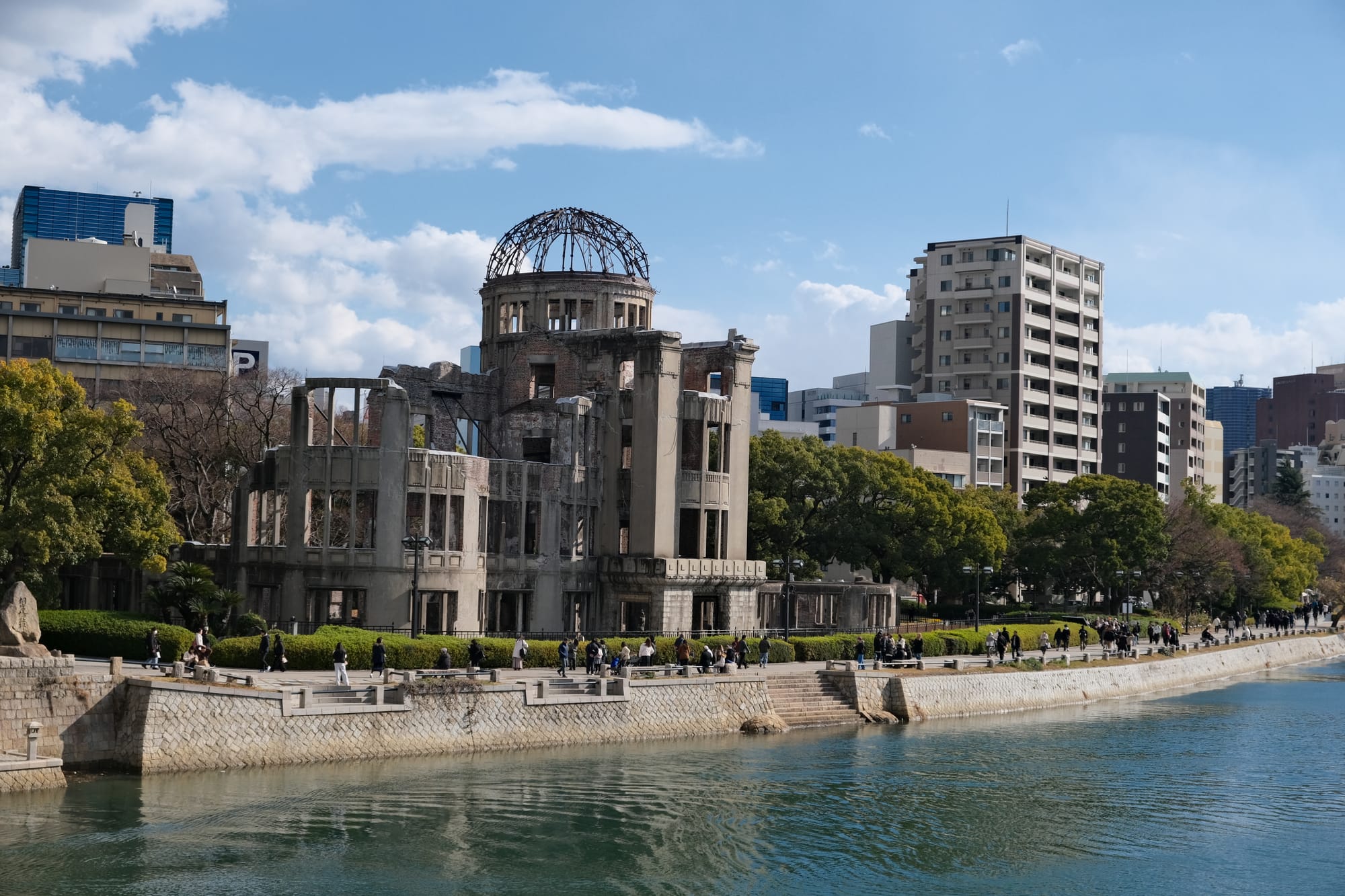
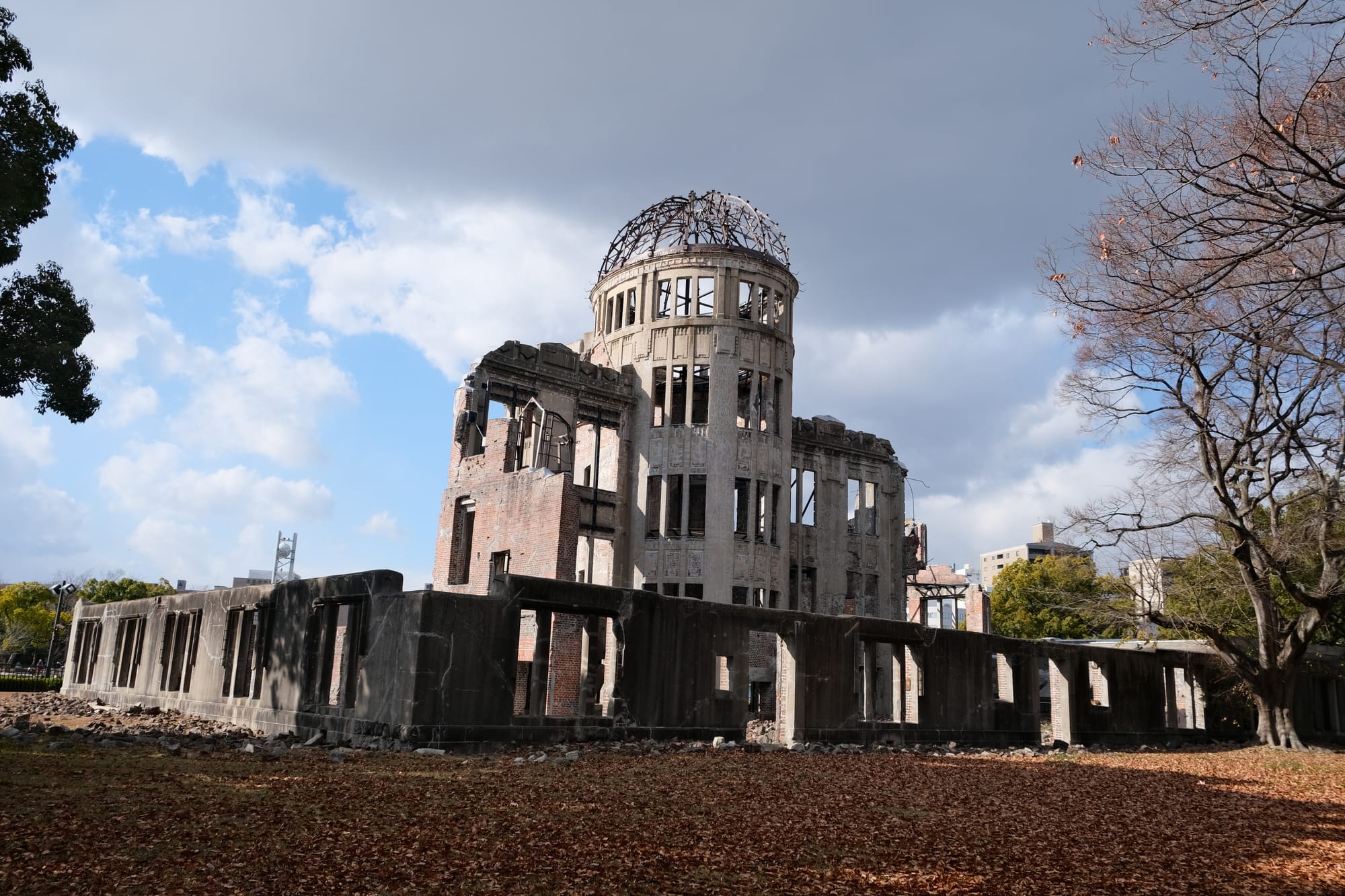
The Atomic Bomb Dome. This building was destroyed by the atomic blast and has been preserved in its ruined state as a memorial to the horrors of the bombing.
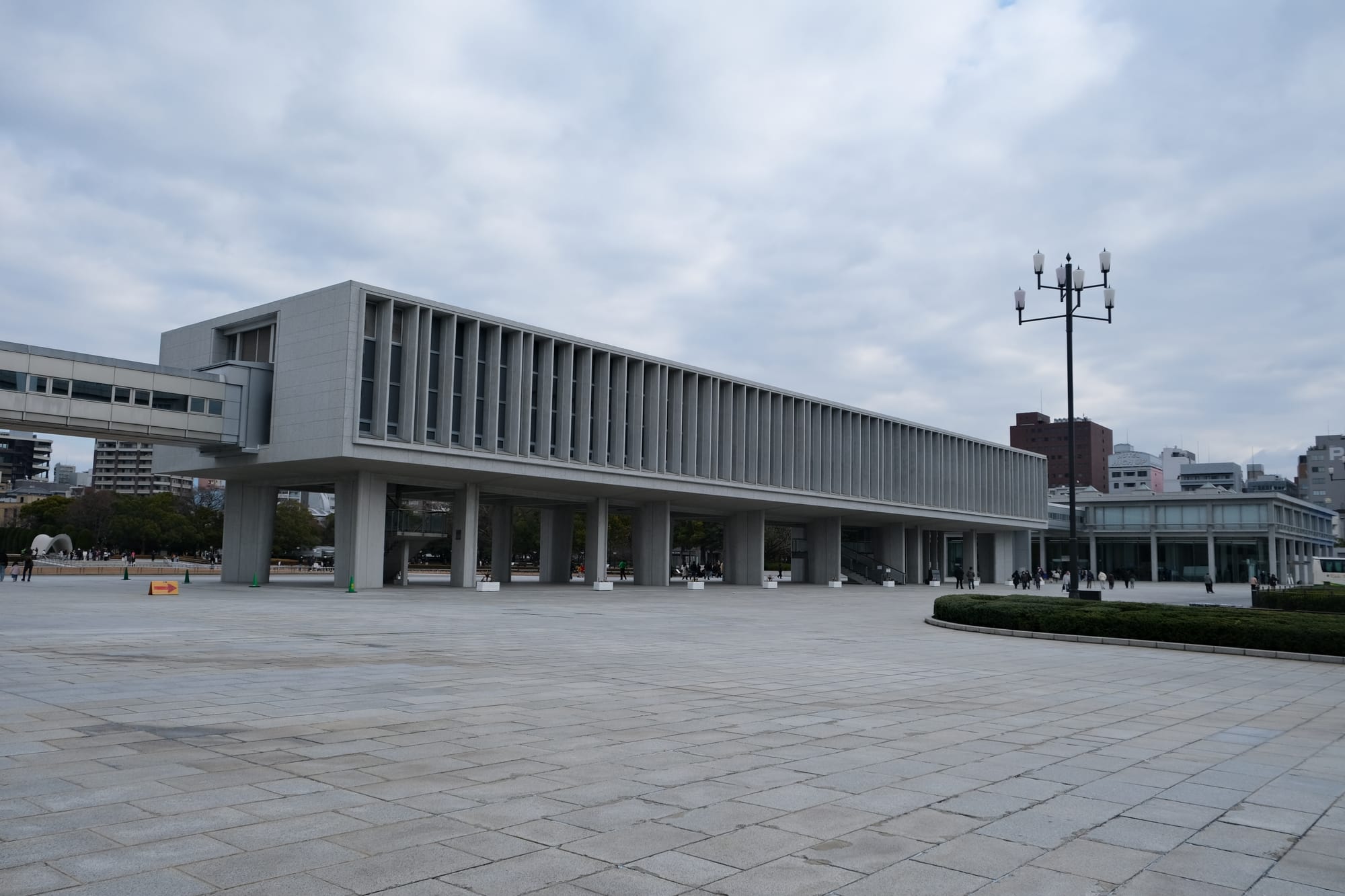
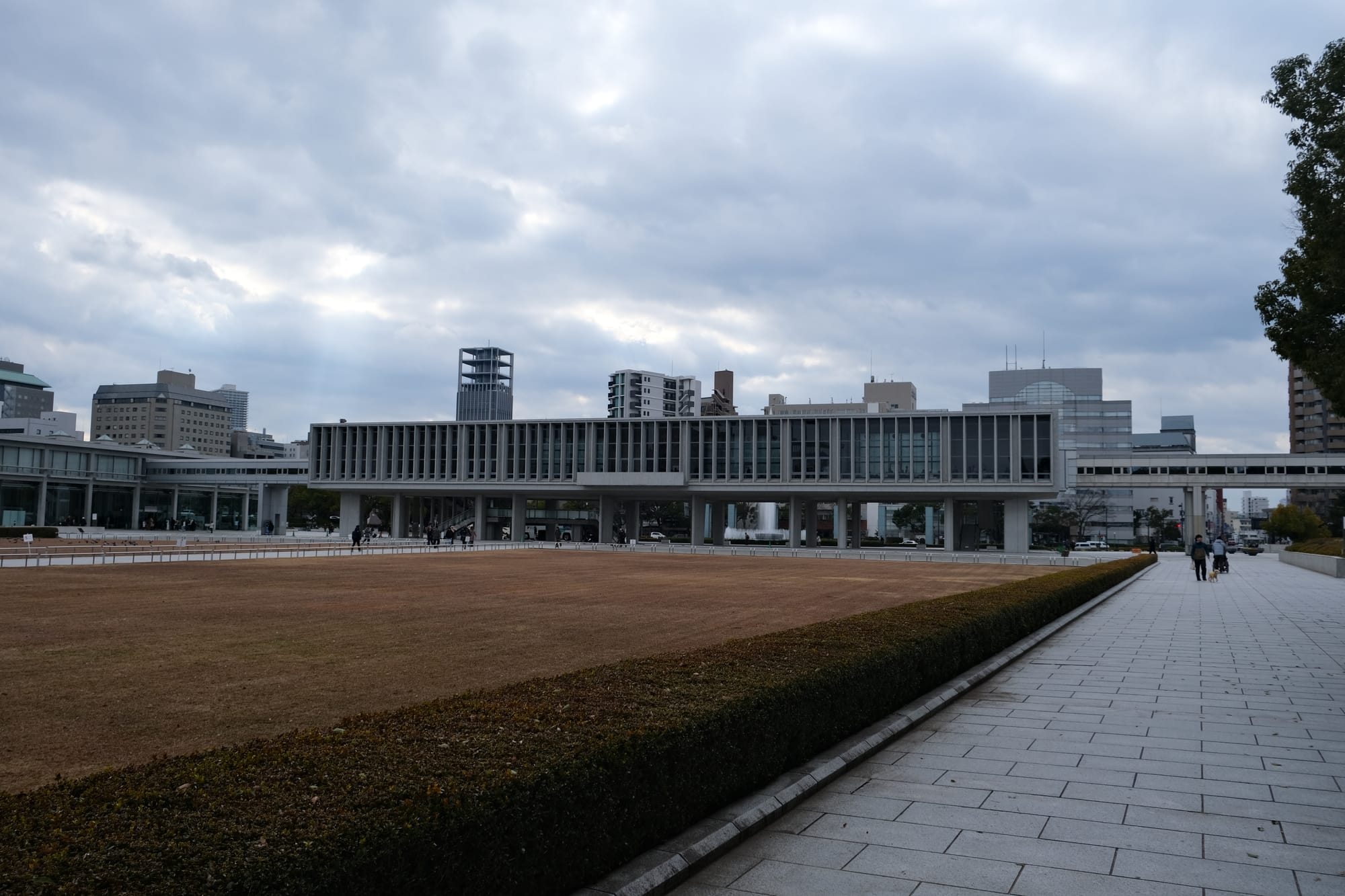
The Hiroshima Peace Memorial Museum located at the southern end of the Peace Park. The main exhibition rooms are in this central building elevated above the ground.
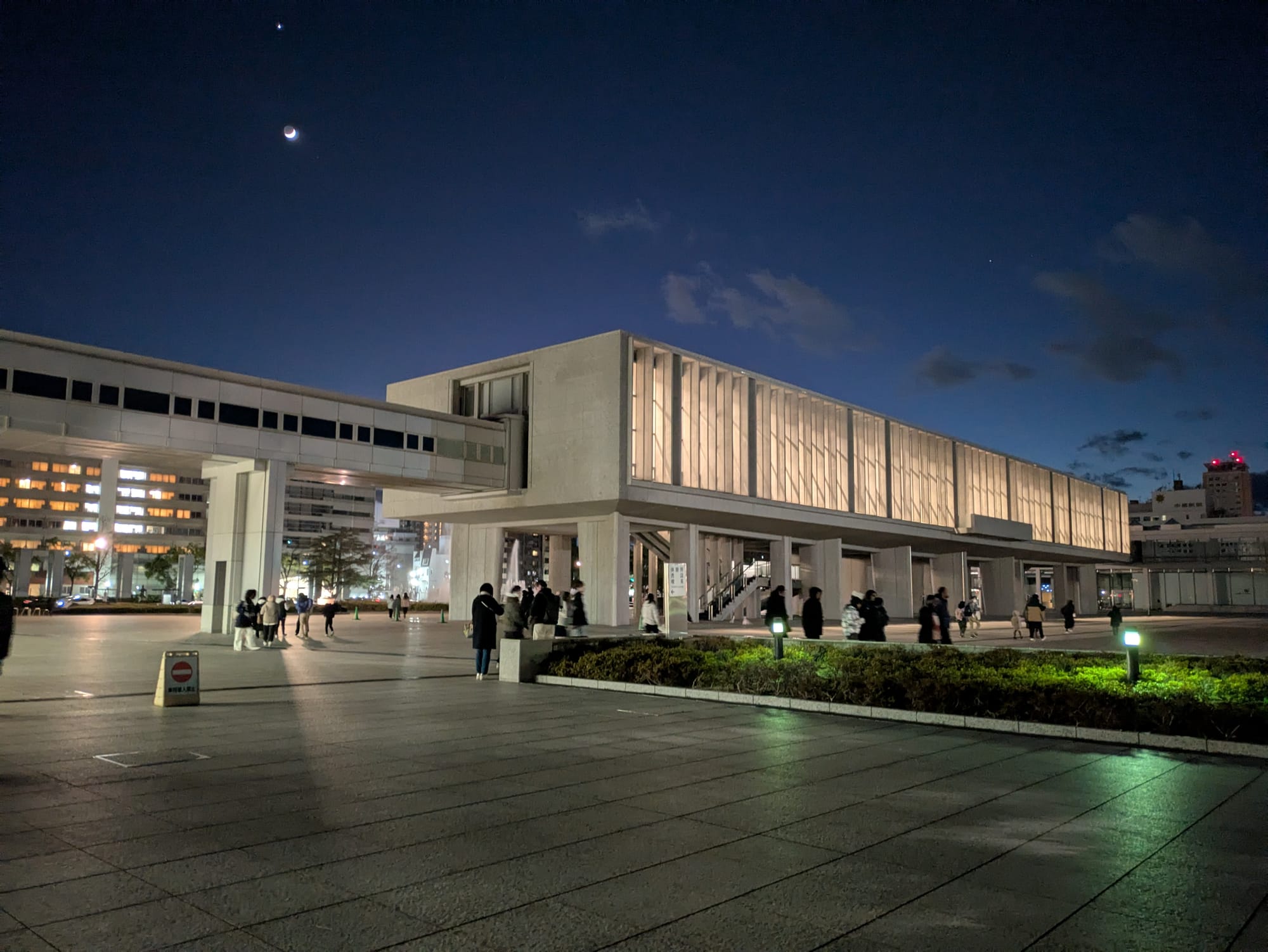
By the time we exited the museum night had fallen and I was deeply troubled by what I had seen. I knew the general details of the atomic bombing but, before today, I didn't truly understand its impact. The main exhibition was a long series of rooms with artifacts, pictures, and artwork displayed throughout, each with a plaque, and many coming with a story. I read nearly every piece of information displayed; many of them told a short story from a person who experienced the bombing, so many of them, almost all, ended with them suffering and dying.
As I walked through the exhibits I tried to imagine what this experience would have been like. The pictures, paintings, and artifacts provided a guide, and through them, I saw in my mind's eye horrific sights, so sickening at times I felt I could not go on; and yet I know what I could imagine would have been just a fraction of what the victims would have experienced.
There was so much pain an suffering caused by just one bomb; the exhibition rooms kept going and there was always another story, each unique and yet tragically the same: a life cut too short or broken by this one event. I felt compelled to read each story and to continue trying to comprehend the huge scale of this tragedy. A few times I felt overwhelmed and I remember needing to stop and just take a minute to breathe. I wept for the victims as I empathised with their pain. This was such a horrific tragedy and at the end I agreed with the mission of the museum, that an event like the bombing of Hiroshima should never be repeated.
The only other place in the world that impacted me as deeply as this museum was Auschwitz in Poland. And, for the same reason I recommended visiting Auschwitz, I recommend visiting Hiroshima, that by understanding the depravity humanity is capable of we would seek to be better and do better.
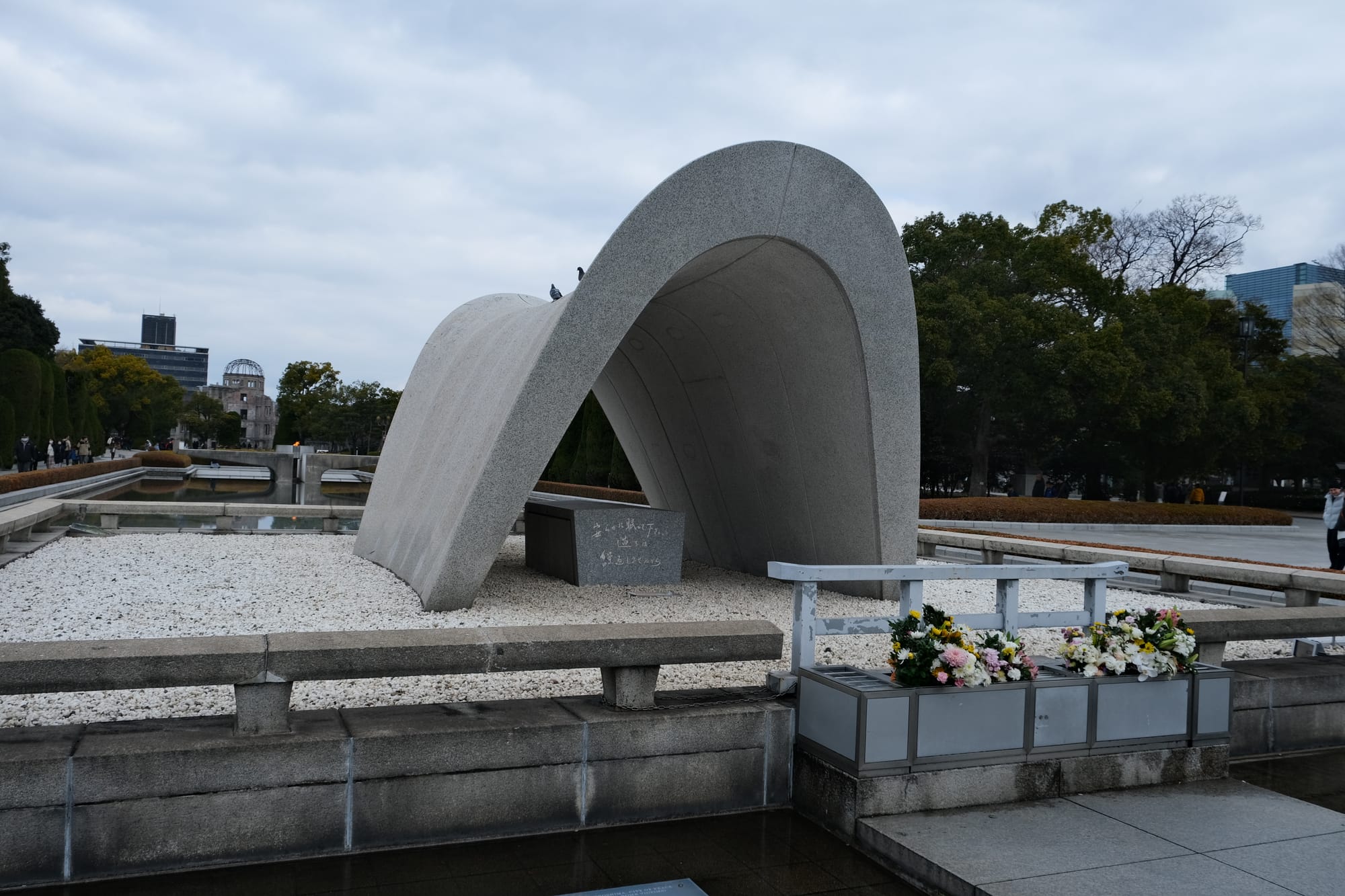
The next day we spent more time in the Peace Park, it was full of many monuments to the atomic bombing that we hadn't yet seen, including many memorials dedicated to specific groups of peoples and for specific purposes. The area where the park now exists was once the centre of the city, with many houses and business, all of it completely destroyed by the bomb. The park was created afterwards as a memorial to this event and to advocate for world peace. Below I have shared some photos of of the various structures in the park.
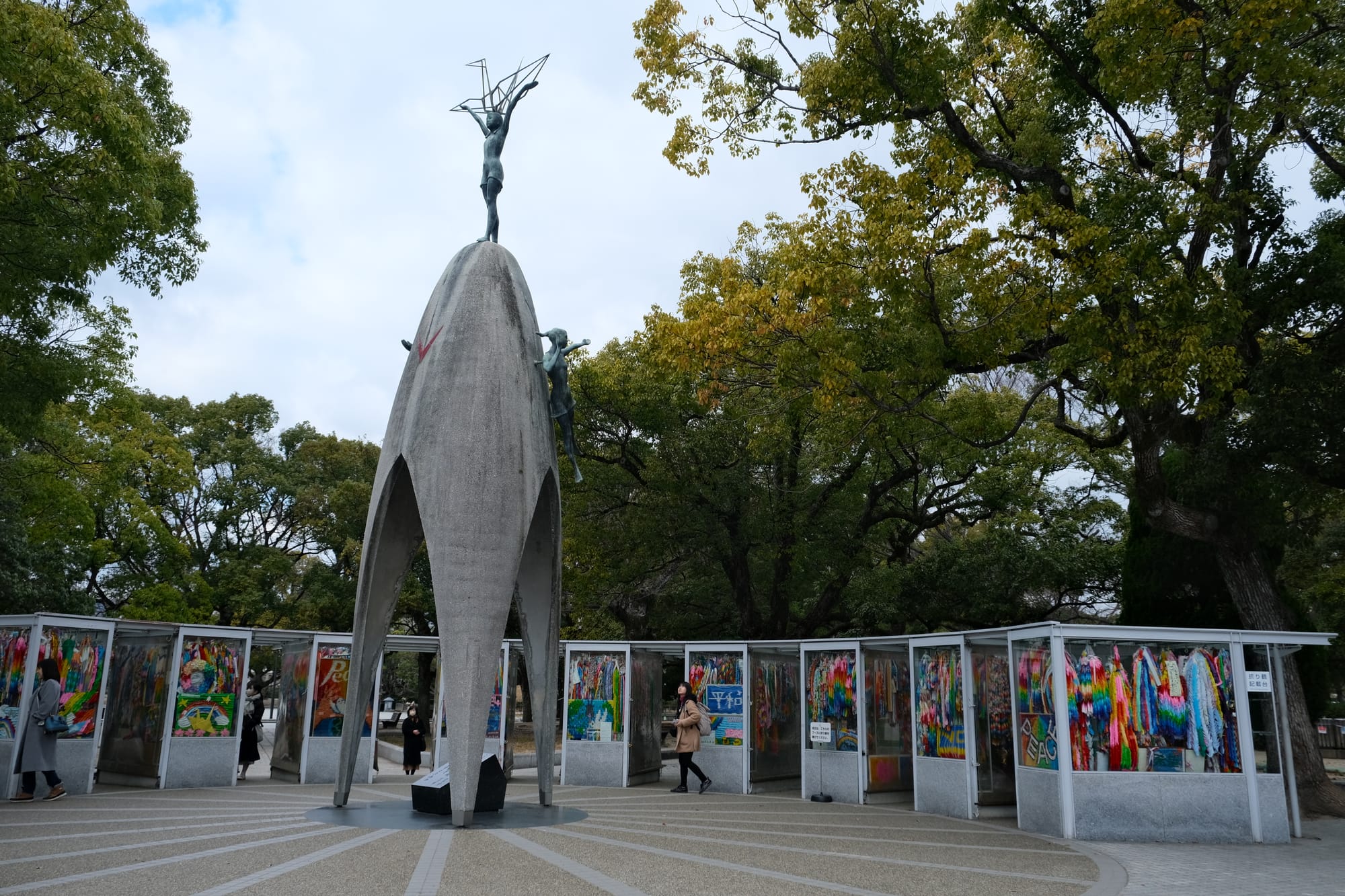
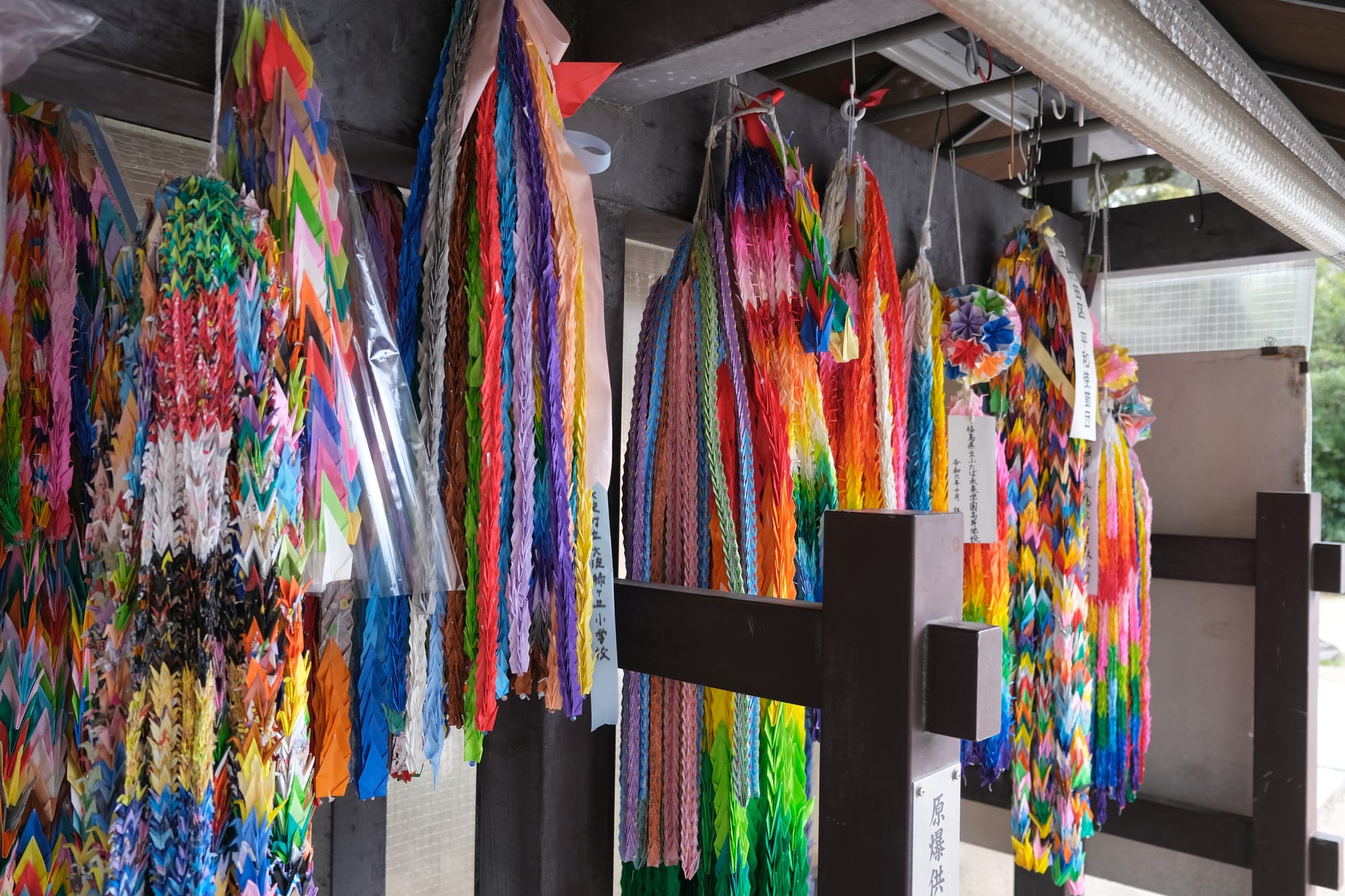
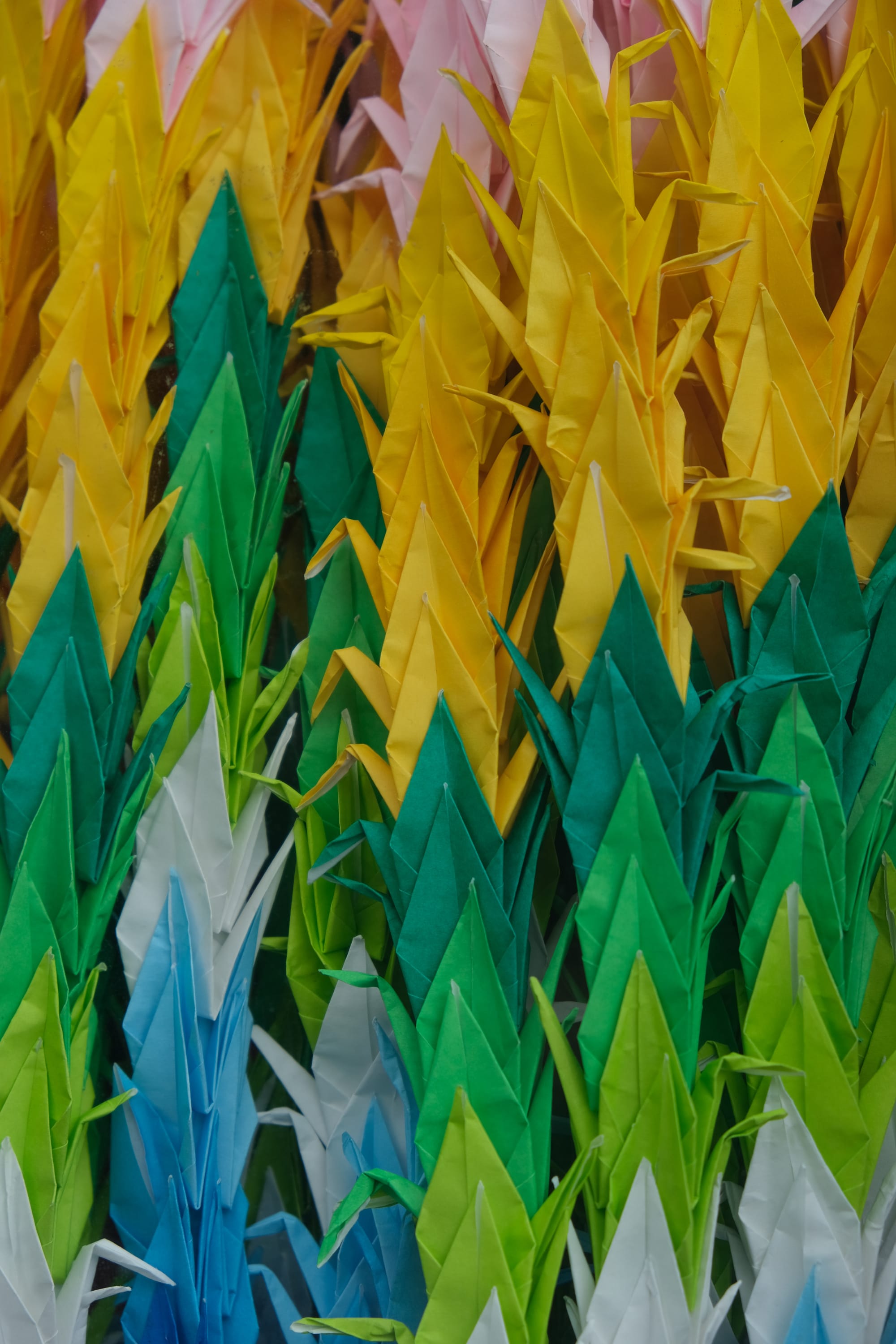
The Children's Monument was surrounded by cabinets filled with thousands of colourful paper cranes.
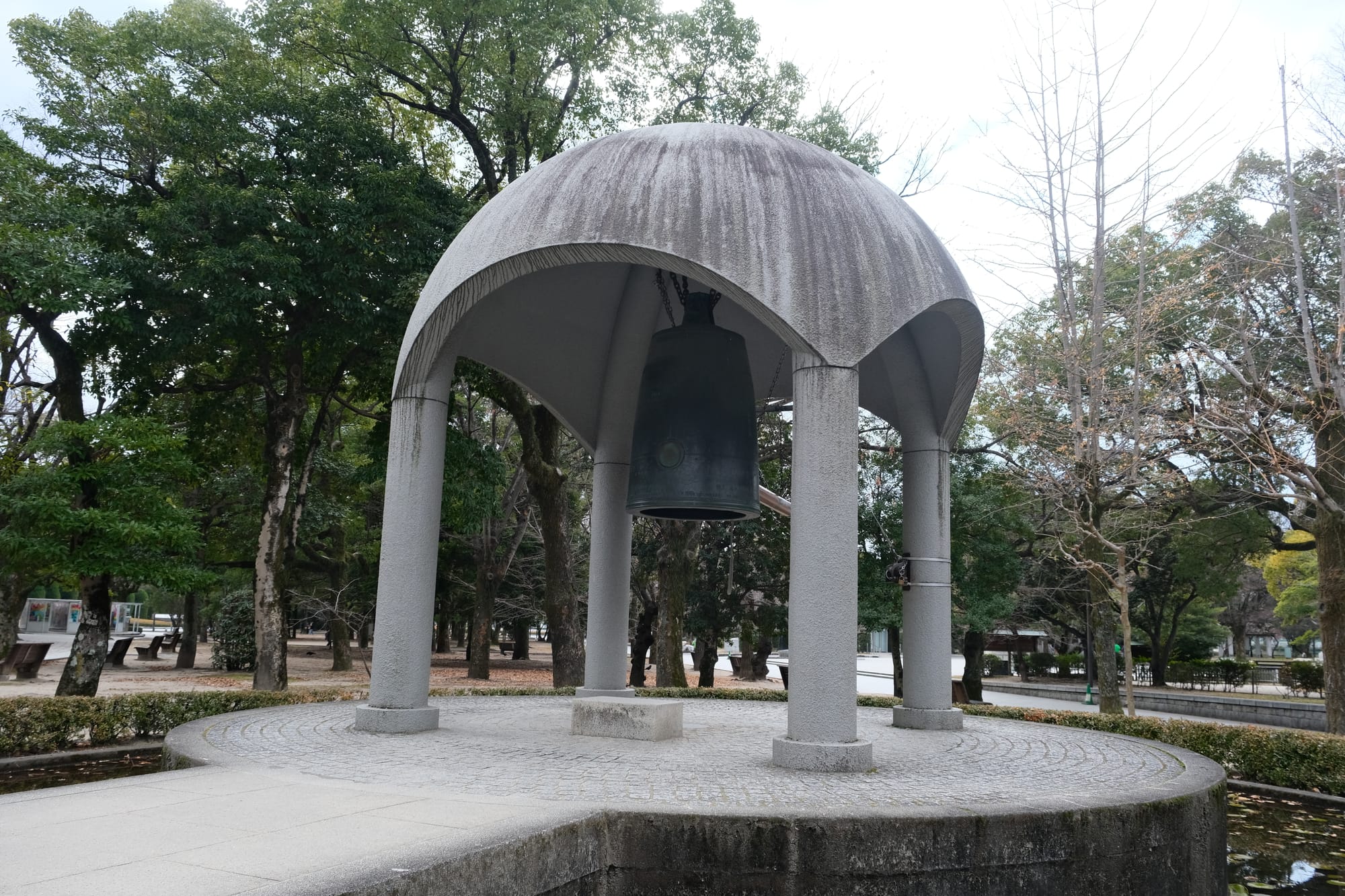
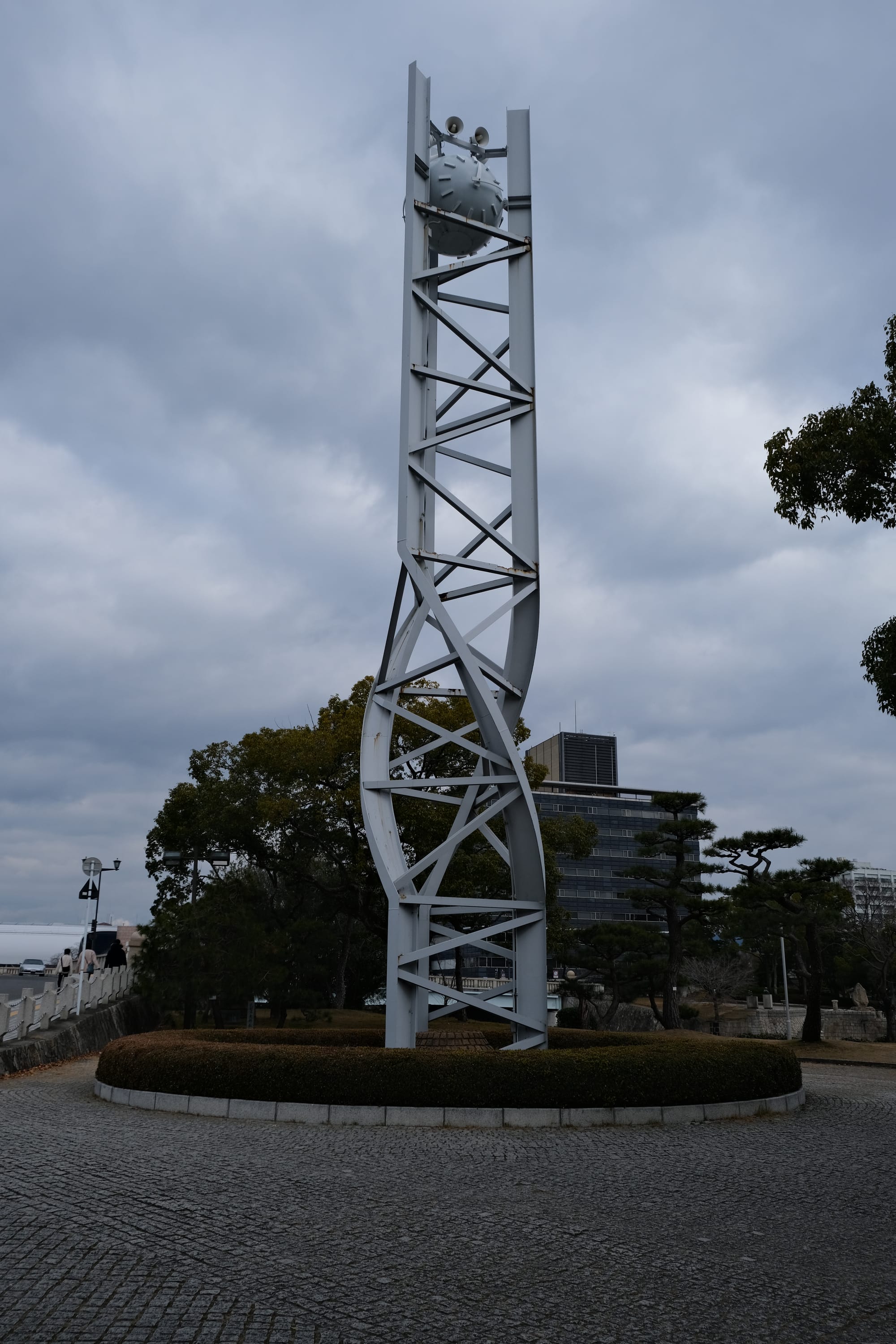
The Bell of Peace (left) and the Clock Tower of Peace (right). The bell is dedicated to peace and could be rung by anyone visiting the site, we regularly heard its toll while in the park, a deep mournful sound that sung for a world without wars. The clock tower sounds once a day at quarter past eight, the moment the bomb detonated, and its chime is a prayer for perpetual peace.
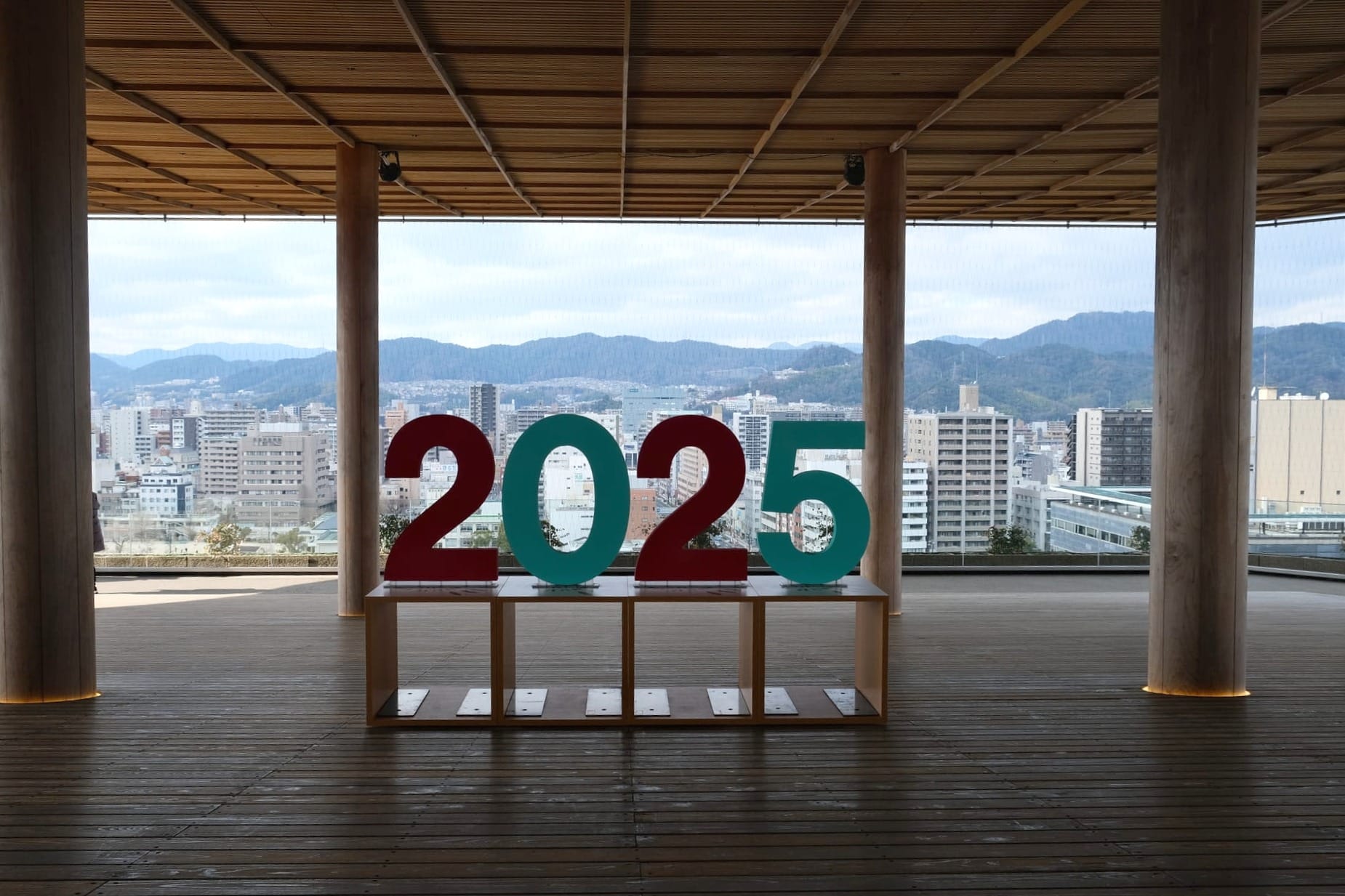
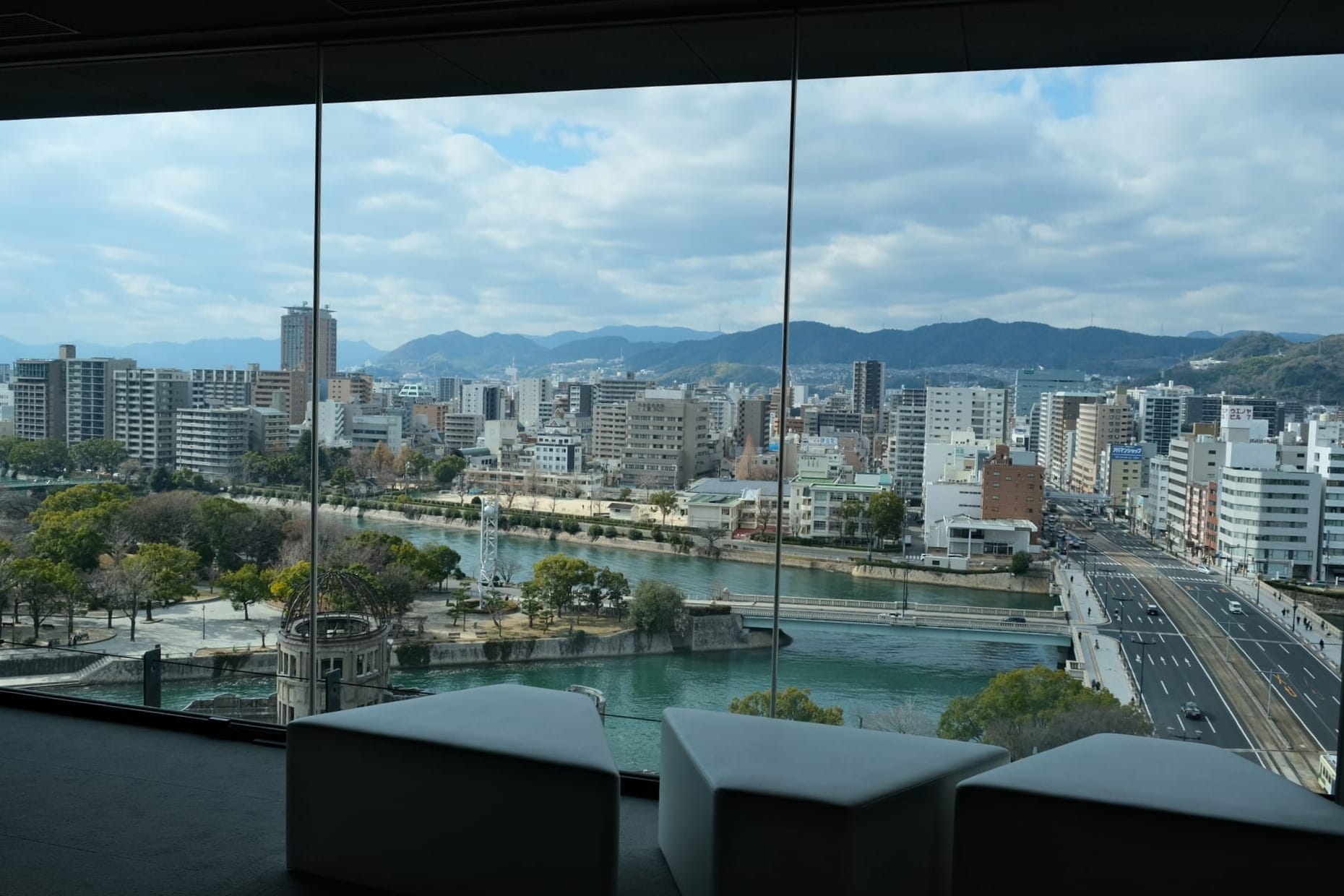
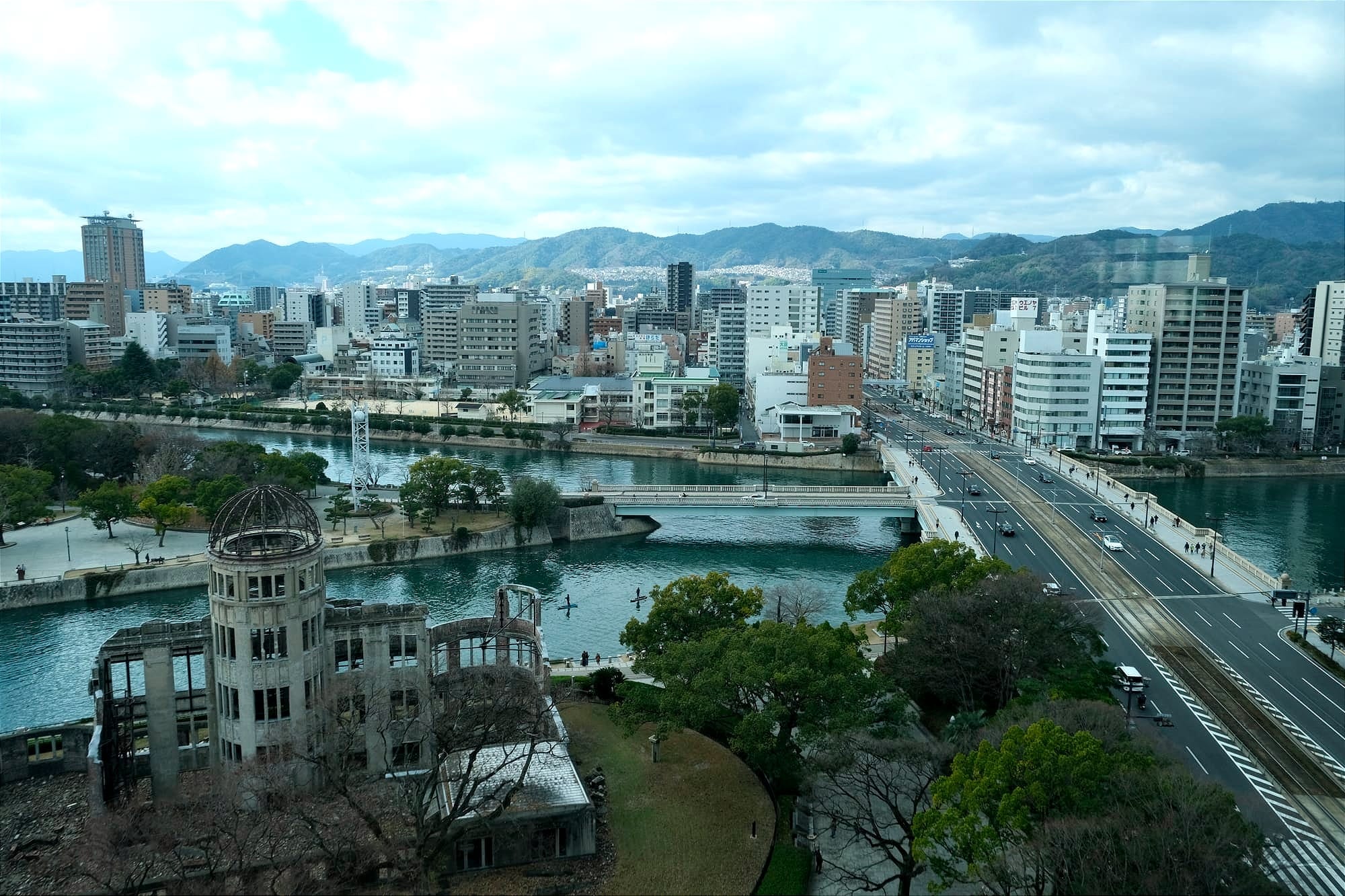
The view of Hiroshima taken through the glass of the indoor observatory. Featured in the second image is the reconstruction of the T-shaped bridge that was used as a target for dropping the atomic bomb.
Now Hiroshima is not just a memorial to the atomic bombing but is a vibrant modern city with a rich history. On the afternoon of our second day we visited the Hiroshima castle grounds and keep. There we learned more about the local history.
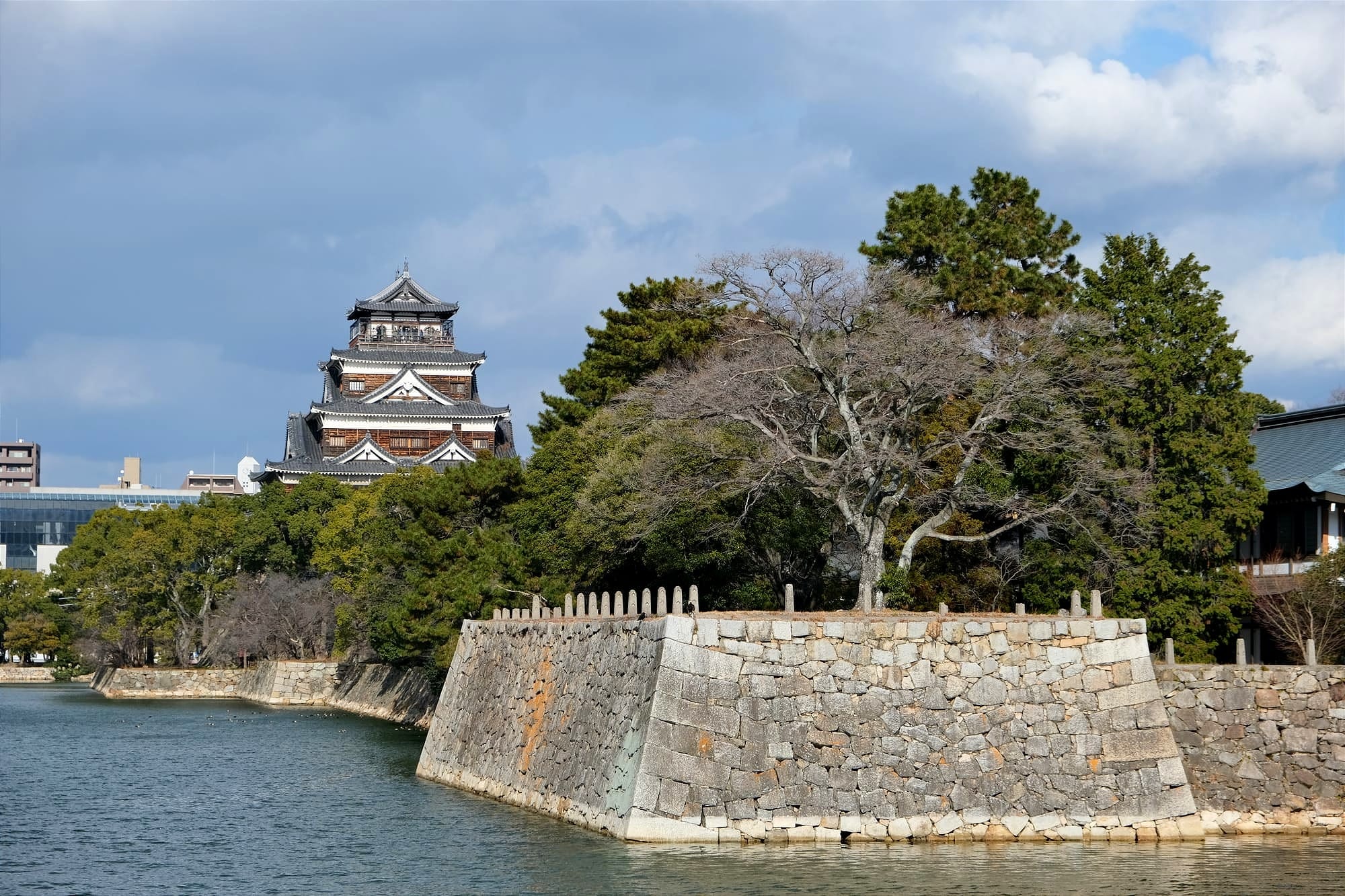
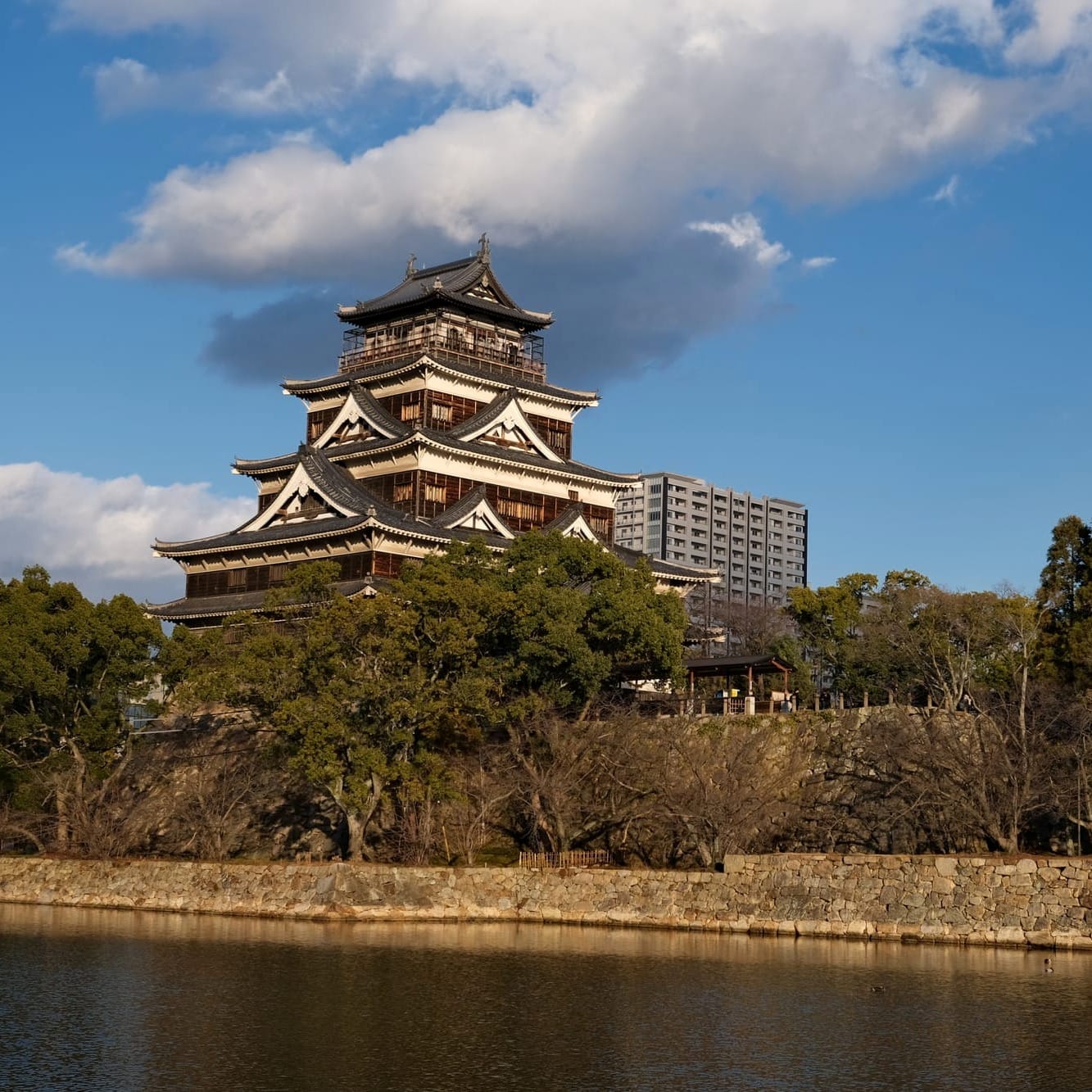
Hiroshima castle as seen from across the moat. Most of the castle grounds is today a park but the keep was reconstructed and is now a museum.
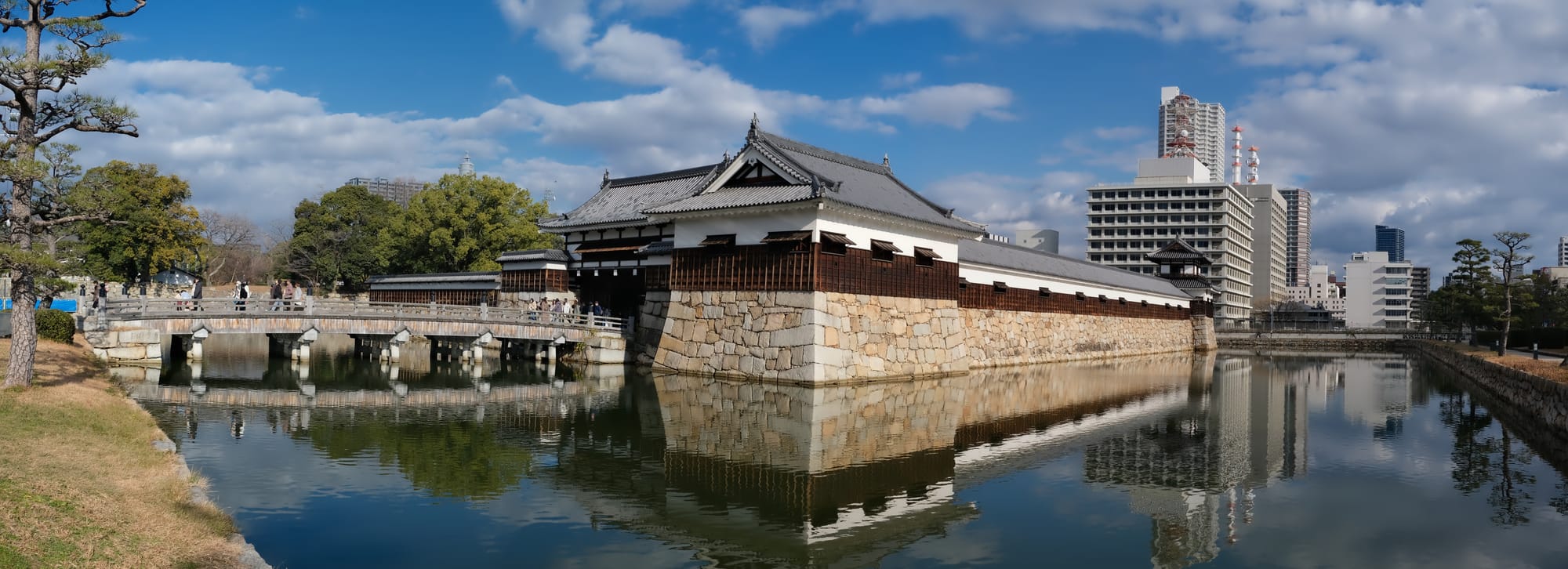
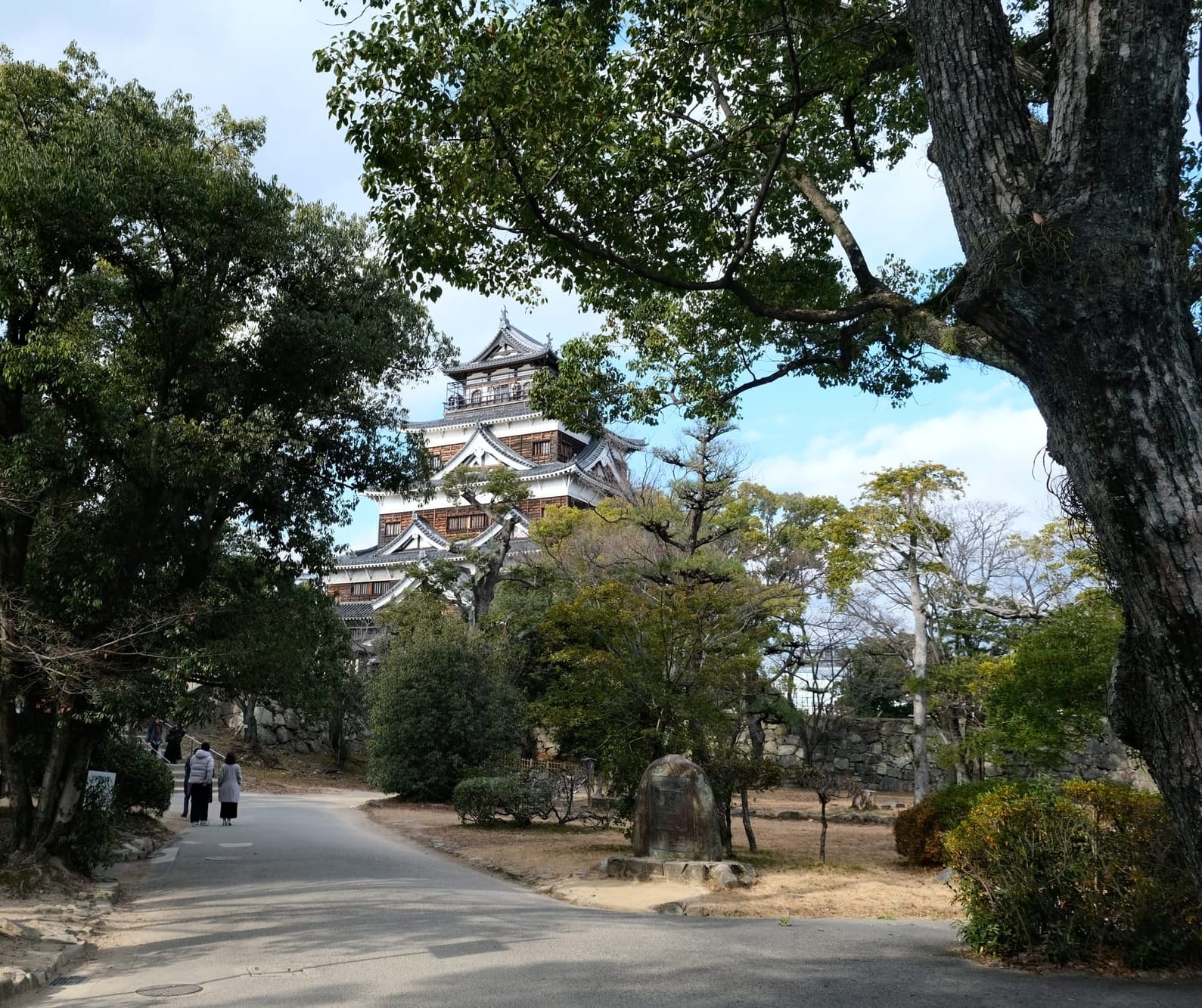
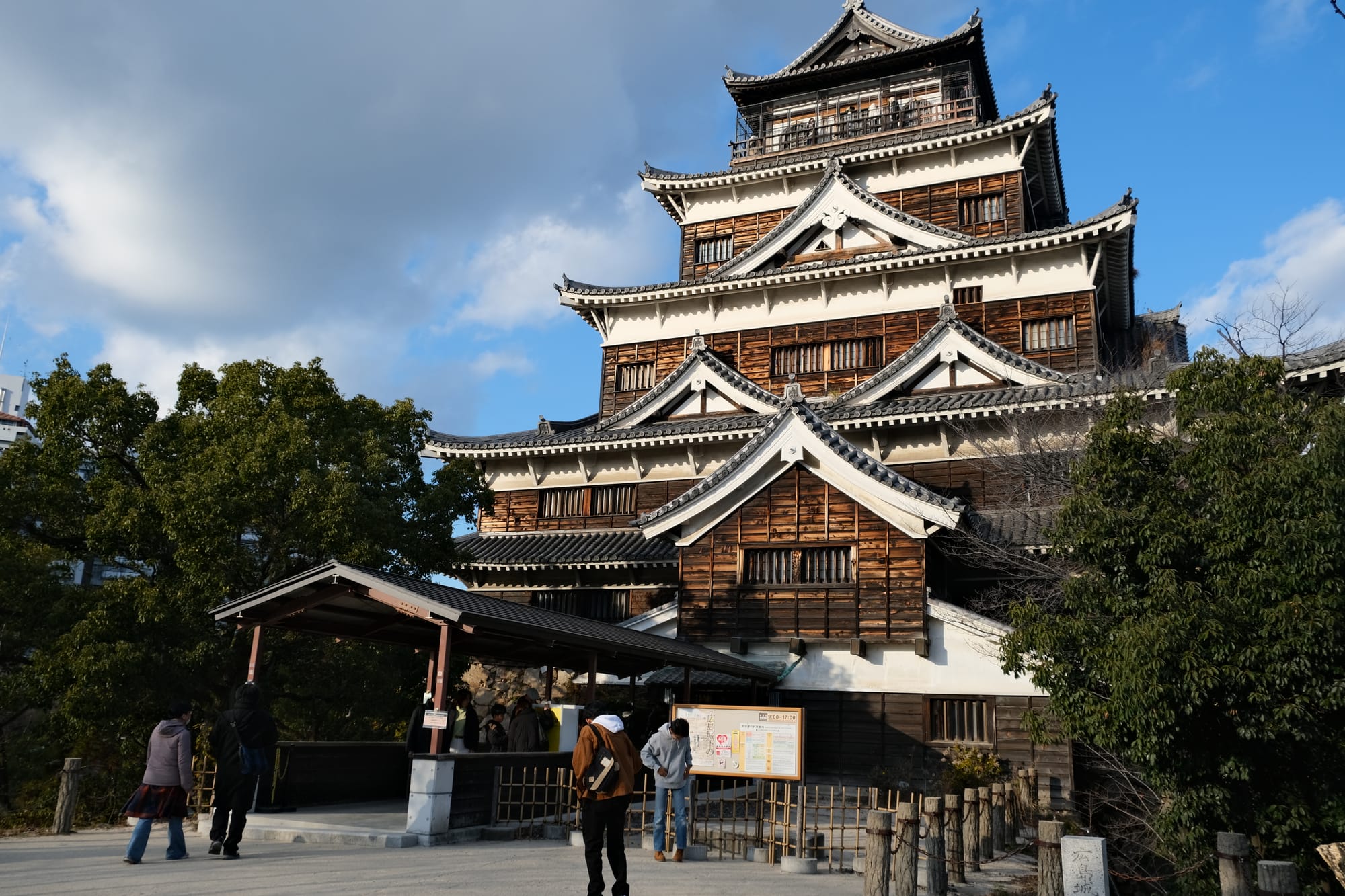
We walked through the park to get to the entrance of the castle keep.
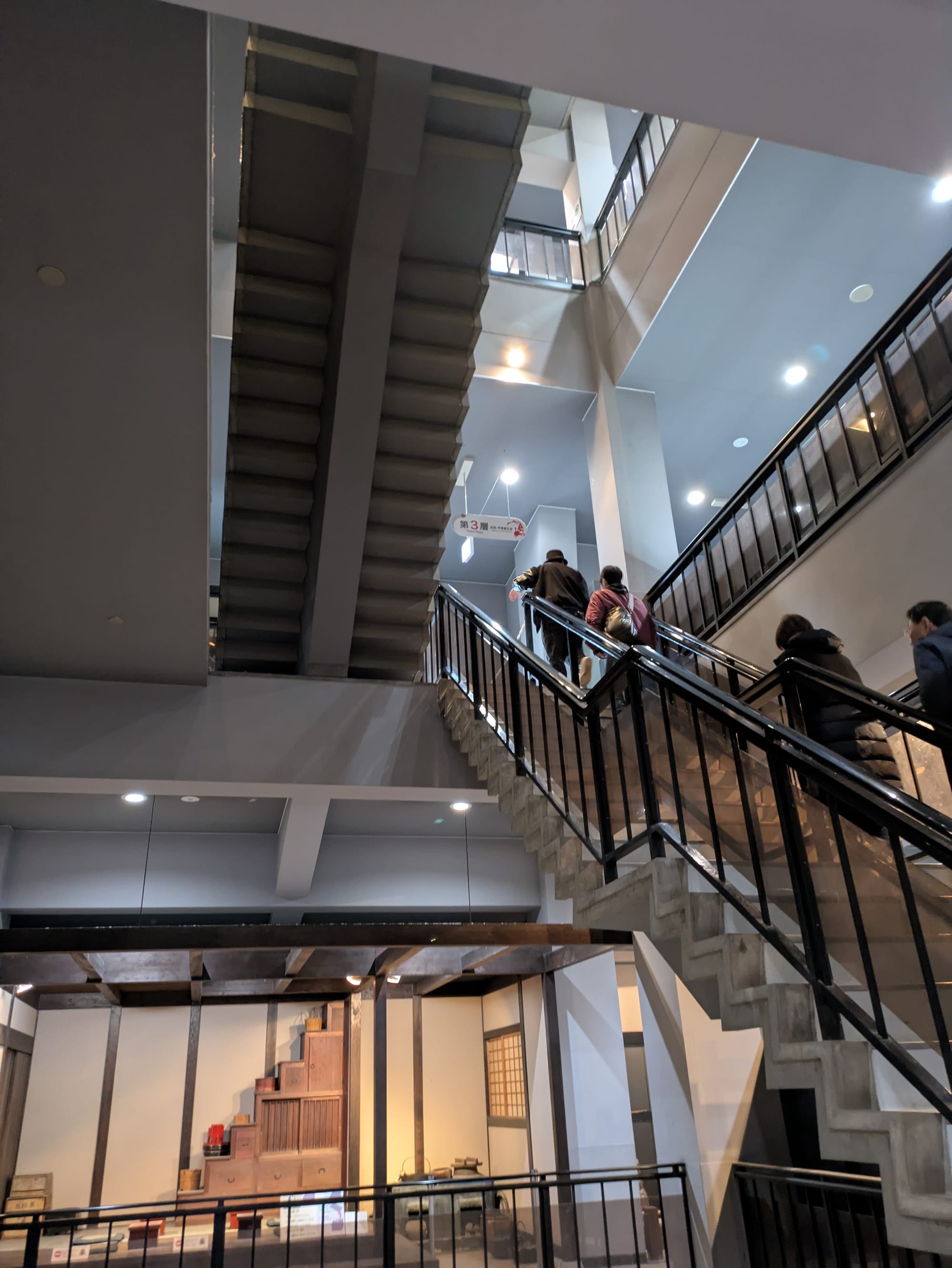
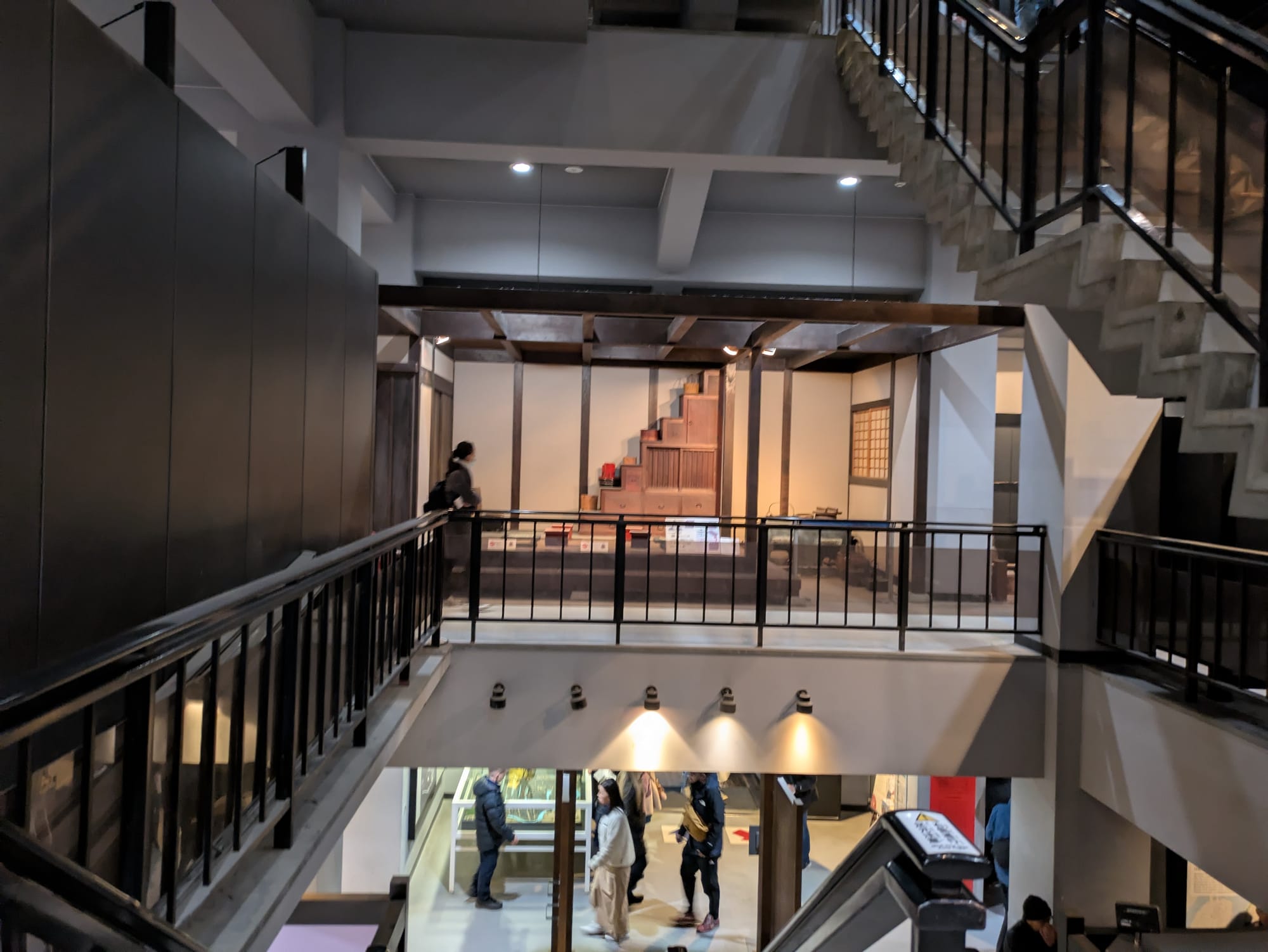
The interior of the castle was very modern with exhibits all about the history of Hiroshima, the castle, and Japanese samurai.
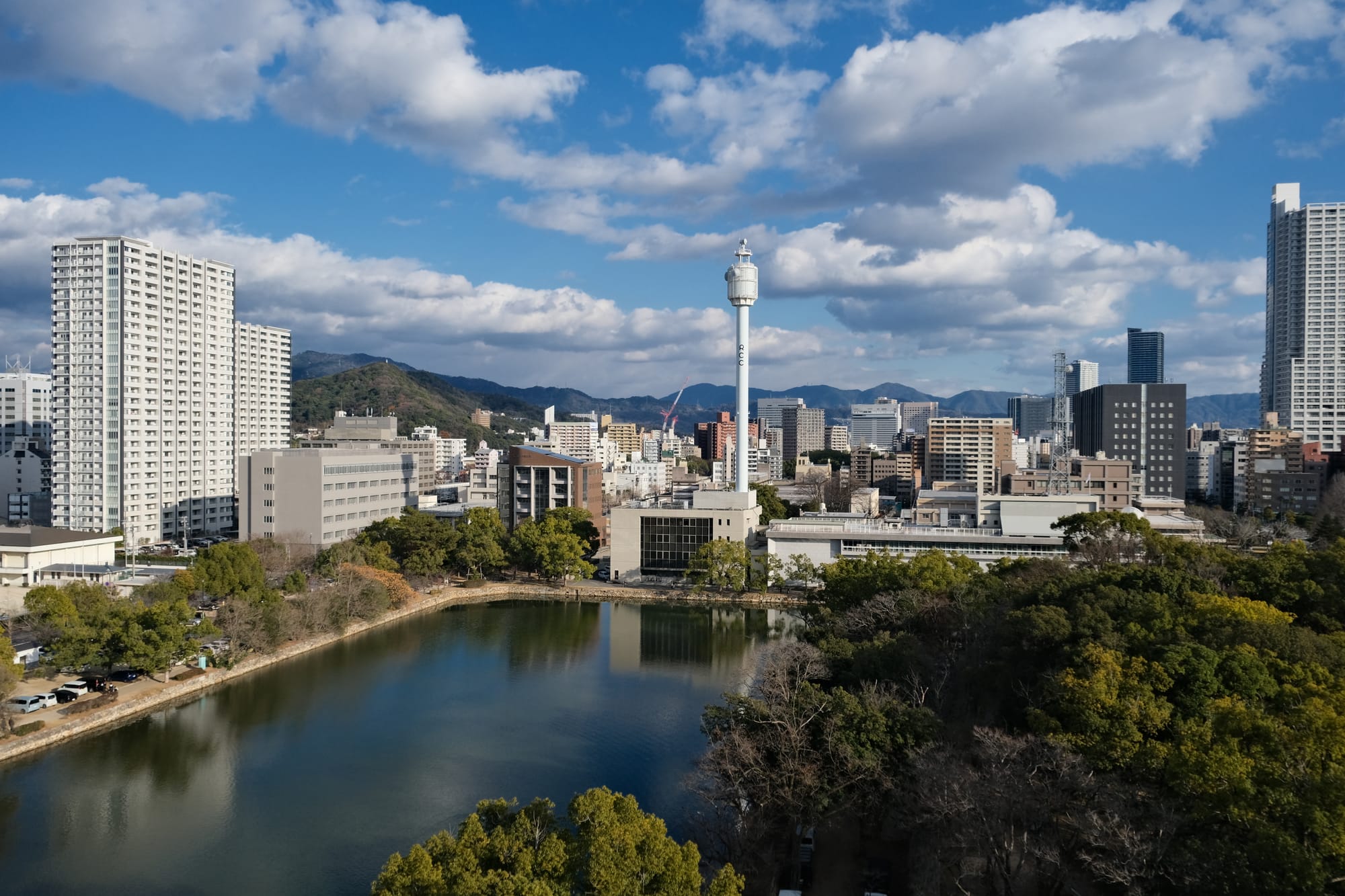
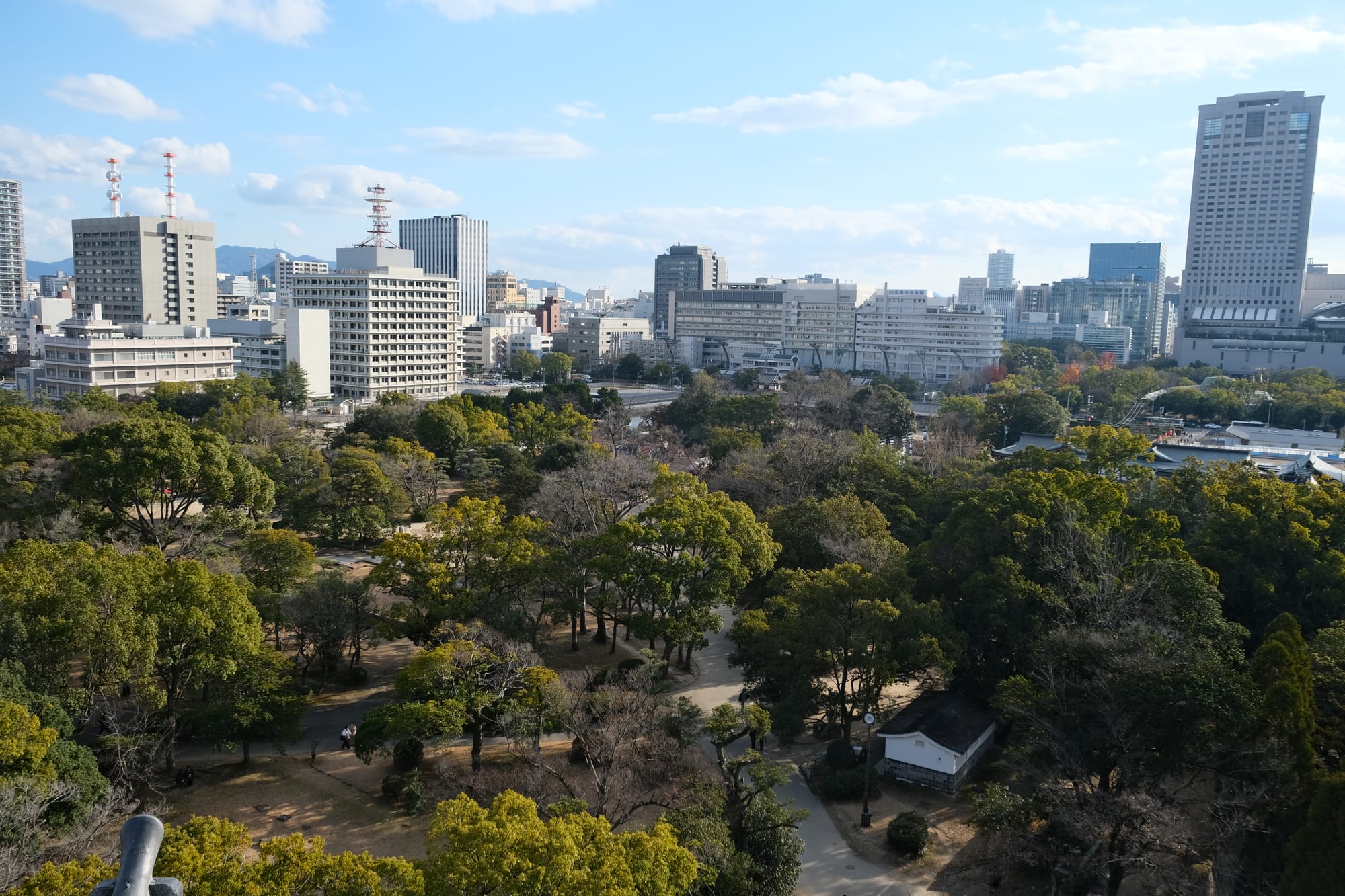
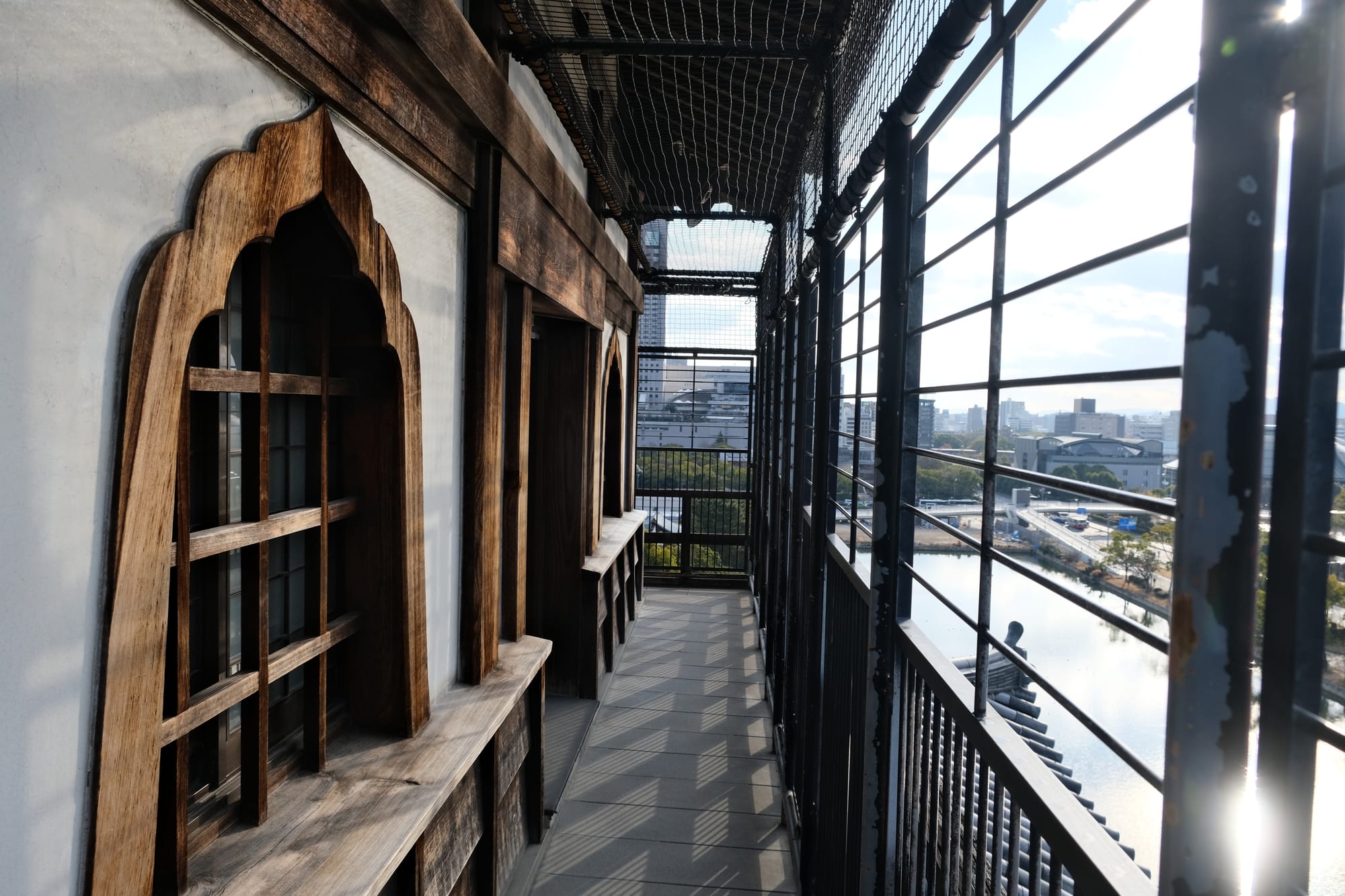
The view of Hiroshima and the castle park grounds from the top floor of the keep.
As I mentioned earlier, visiting Hiroshima and the Peace Memorial Museum helped me to better understand the atomic bombing in a way I had previously been ignorant of. Seeing the site of the first atomic bombing was the main reason we came here and it was our first stop as that created the most efficient Japan itinerary. All our following destinations are to the East of Hiroshima, on the way to Tokyo. However, Hiroshima is still the first Japanese city I visited, and I am glad I could see parts of it, such as the castle and city centre, outside of the context of the bombing. This city set the bar for the level of technology and convenience that I would come to expect from Japanese cities. It was densely urbanized but still had large parks with plenty of nature. There were many convenience stores and so many vending machines that included cold and hot drinks. Walking around the city was fairly easy and most locations are within walking distance of each other. The public transport was good and there was a tram line we leveraged later when we left the city for the Shinkansen station. I would experience many of these conveniences in many cities across Japan but I was first introduced to them here in Hiroshima.
Thanks for reading – Edward
Written 22nd of March 2025