Seoul
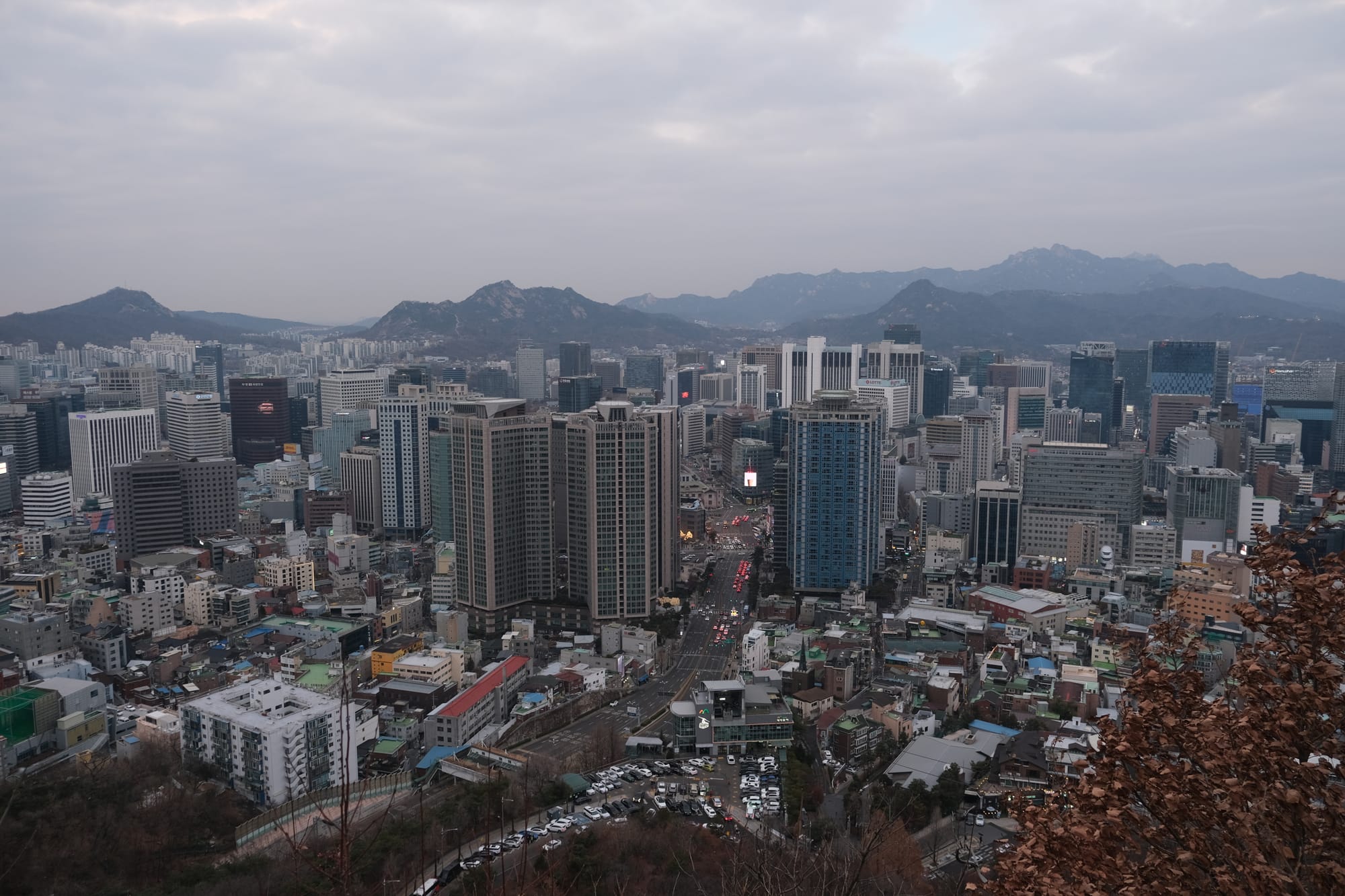
I visited South Korea for about one week. It was the middle country of my planned trip (between Taiwan and Japan), and Seoul was the main destination. We arrived a few days after Christmas and left on the third of January, in the new year. At this point, Seoul was the biggest city I had ever visited and we were able to explore a number of attractions here. We were also able to do a couple of day trips out of Seoul to explore other parts of South Korea, these I will cover in their own posts.
We visited a couple of the history museums in the city: the National Museum of Korea and the National Museum of Korean Contemporary History. The former had exhibits covering the history of the Korean peninsula right up to the start of the Japanese colonial period, the latter covered the colonial period up to the present day. So together these museums gave me a good overview of Korean history.
The other sights we visited were: a couple of towers with views of the city, some parks, and some royal palaces. I was originally going to include the palaces in this post, but there were so many photos that I decided to split them up into their own post.
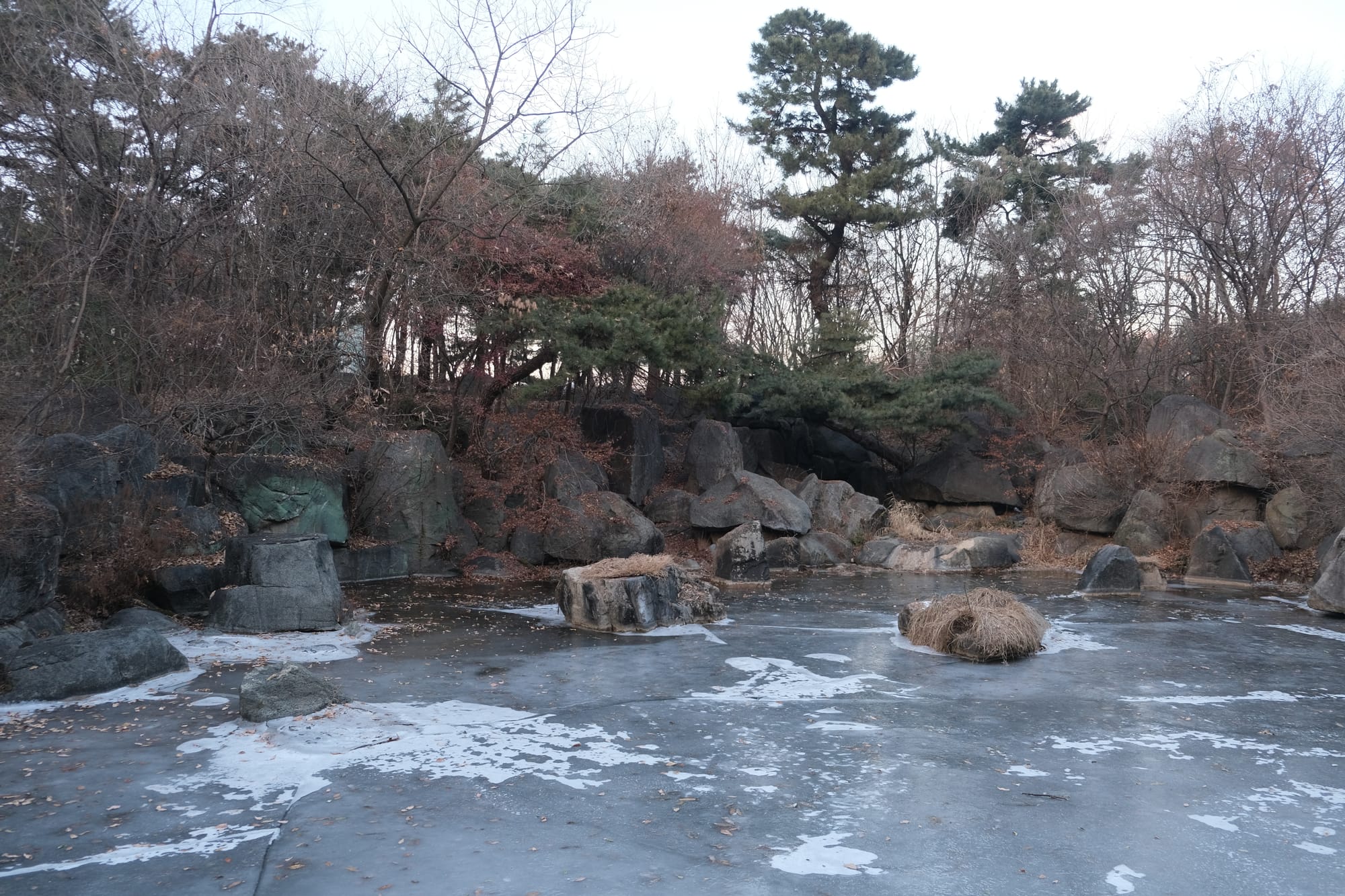
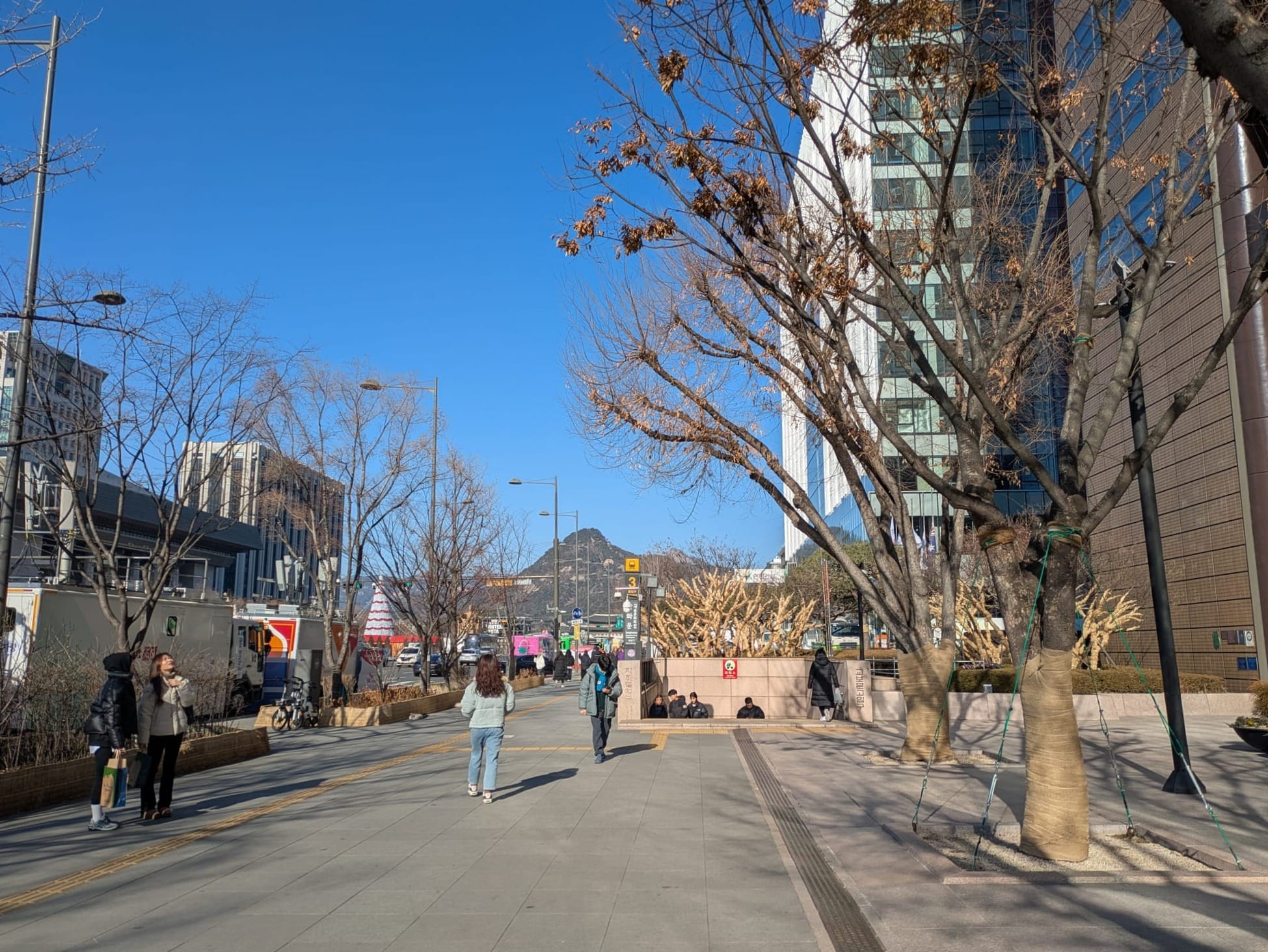
One of the first things we noticed, when landing in South Korea, was the brutal cold. It was an extra level of cold that I was not used to, with temperatures often remaining in the negatives (degrees Celsius). While it was cold, there wasn't much precipitation, so this resulted in a landscape with: no snow, empty trees, brown fields, and frozen lakes.
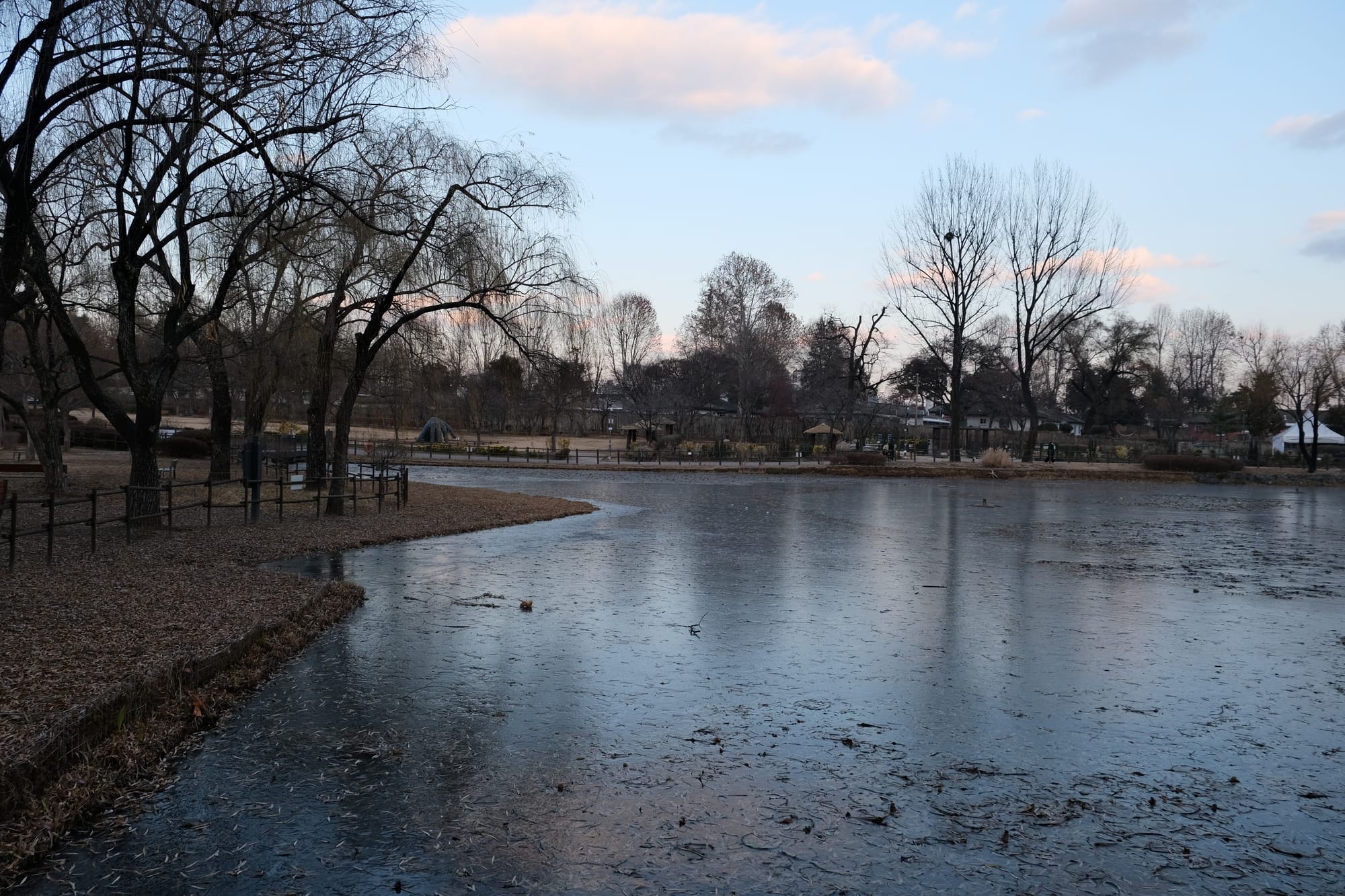
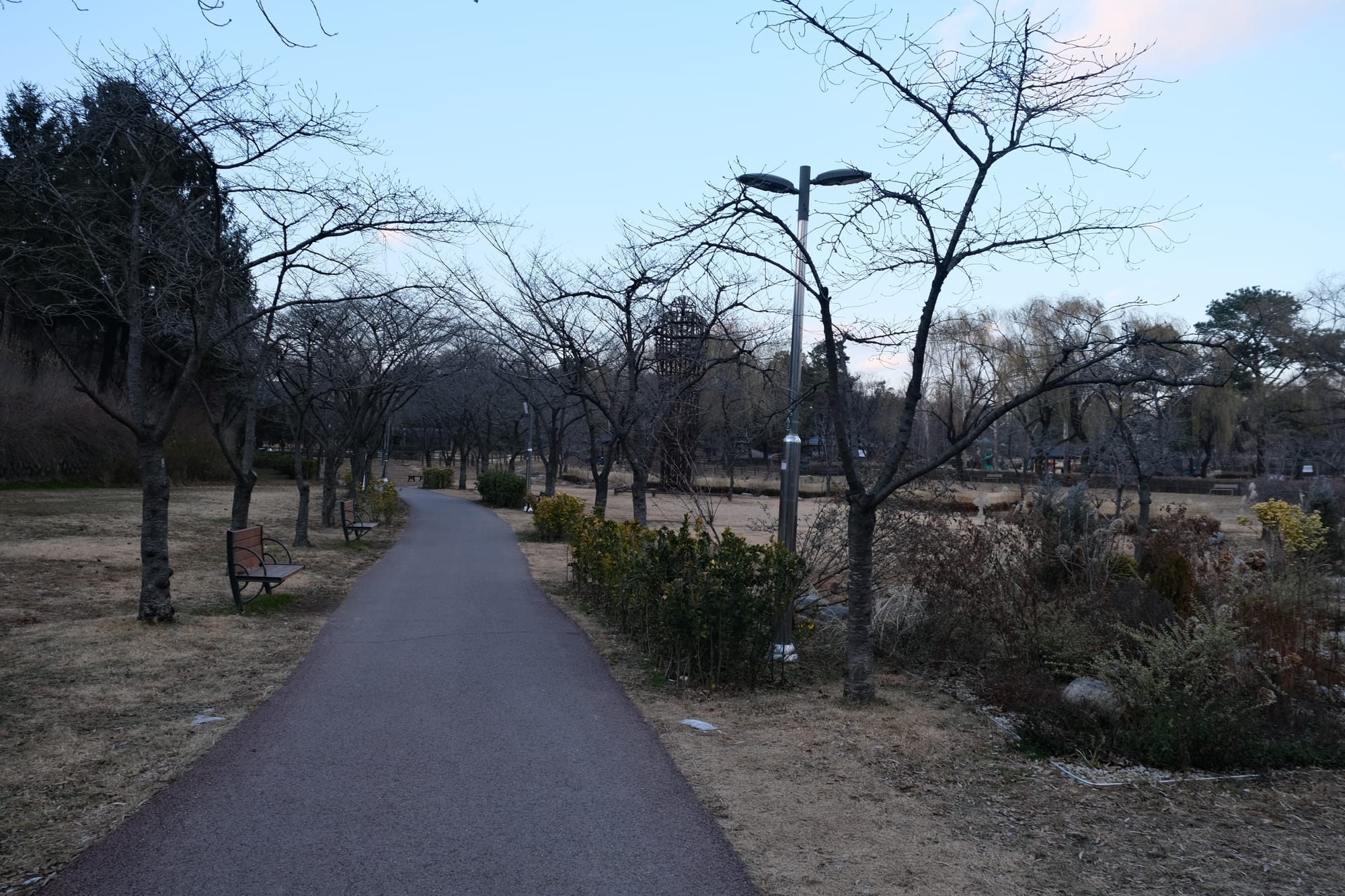
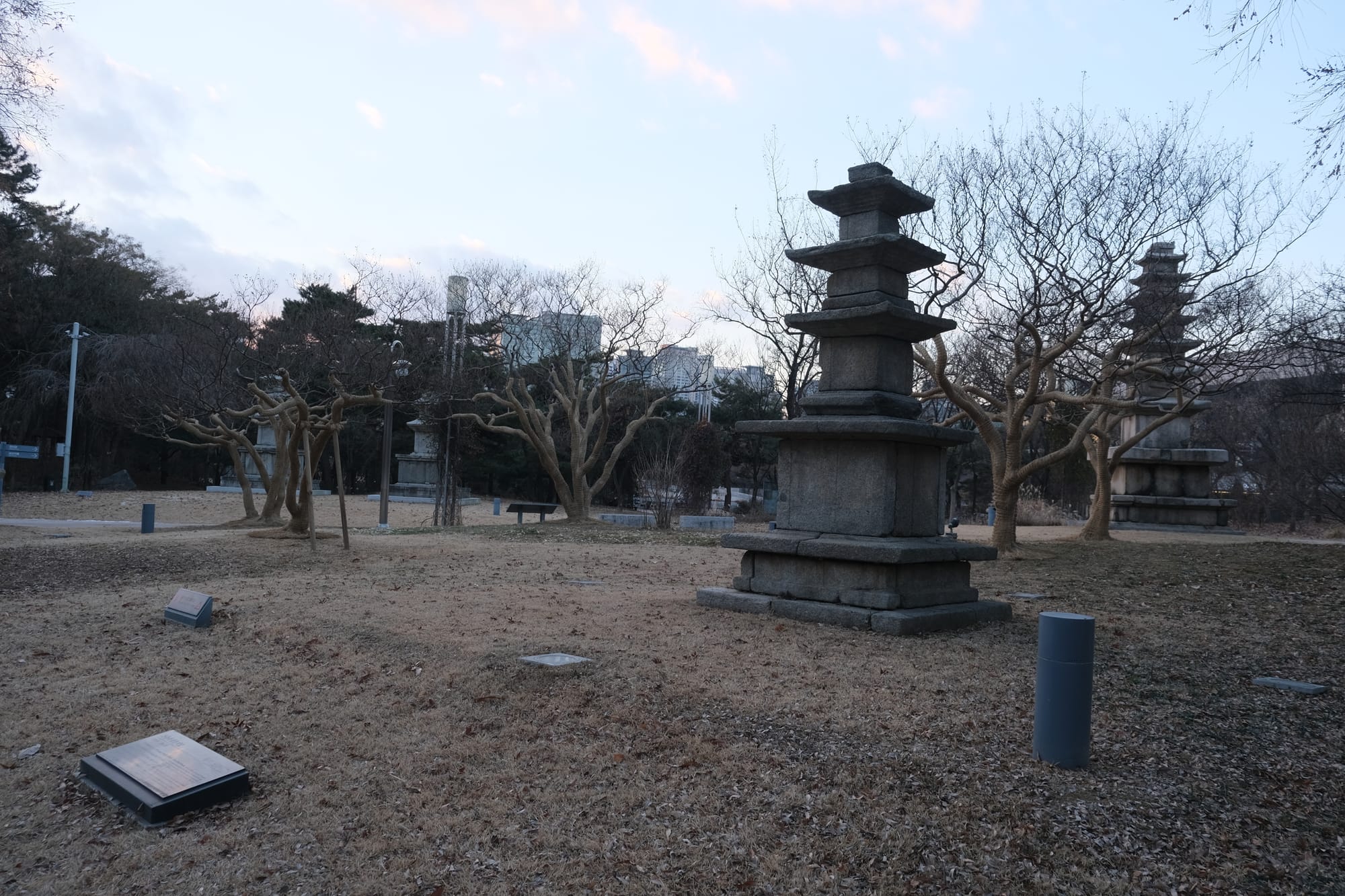
The first park we visited in South Korea, located near the National Museum of Korea.
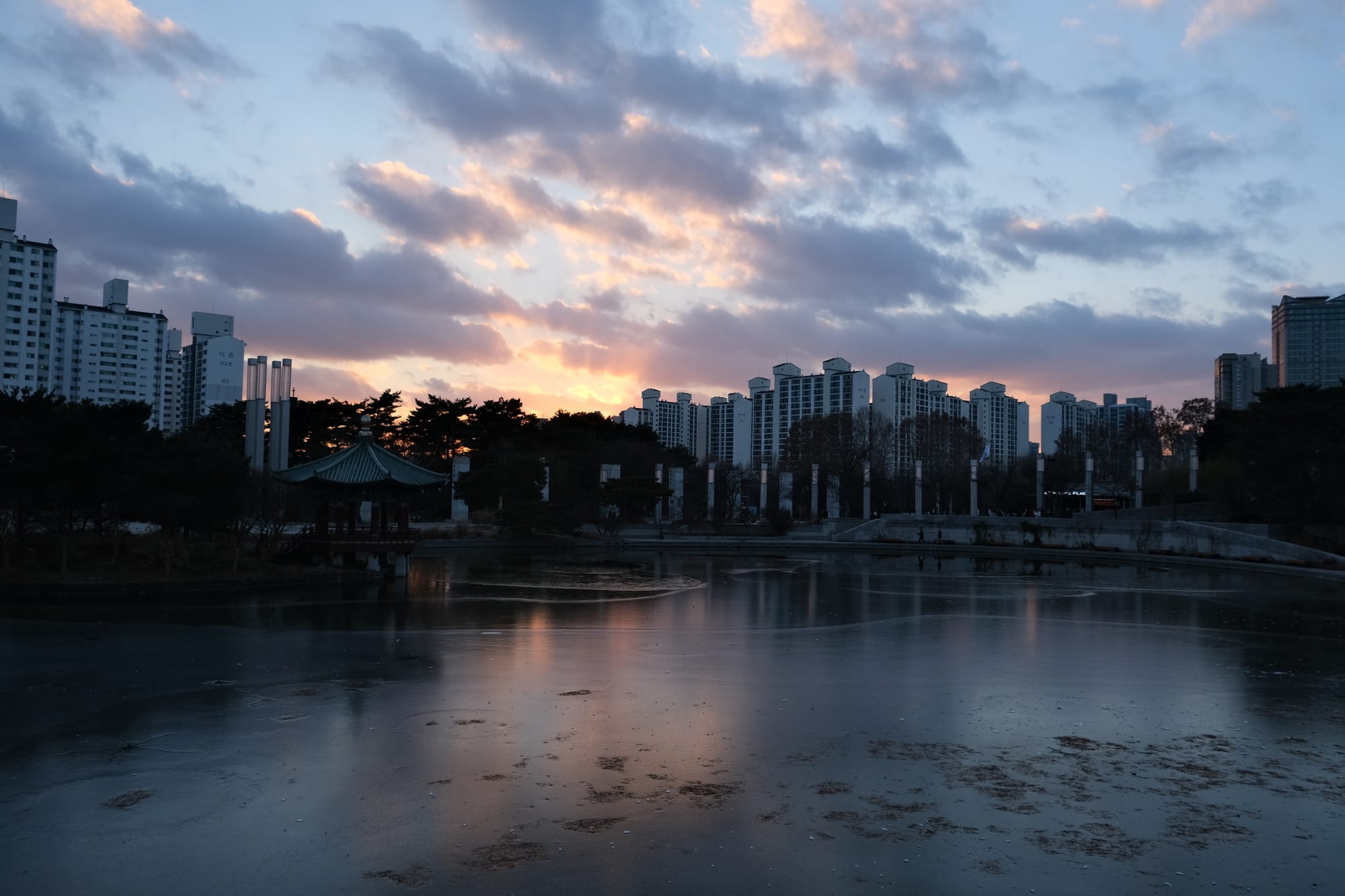
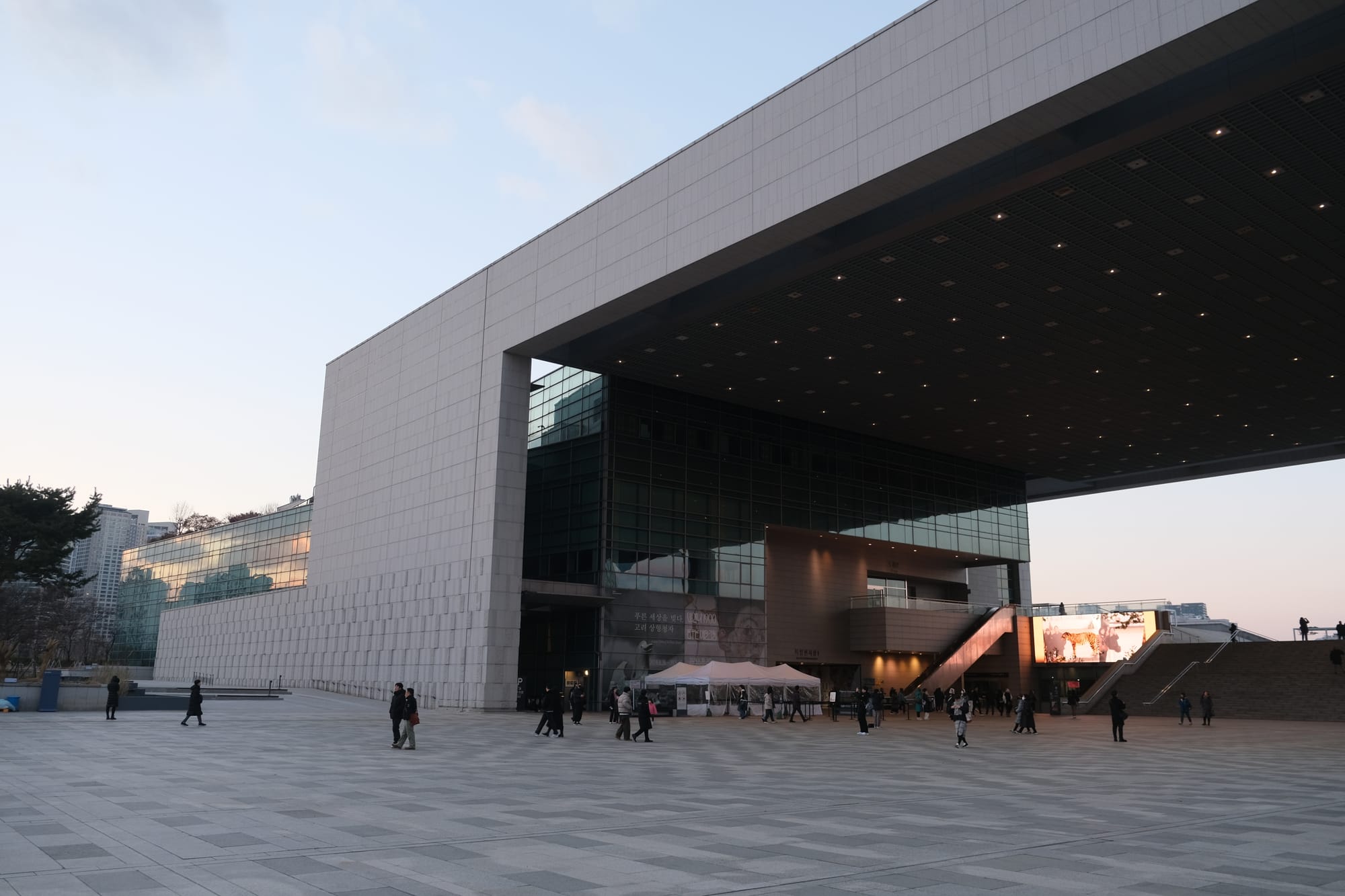
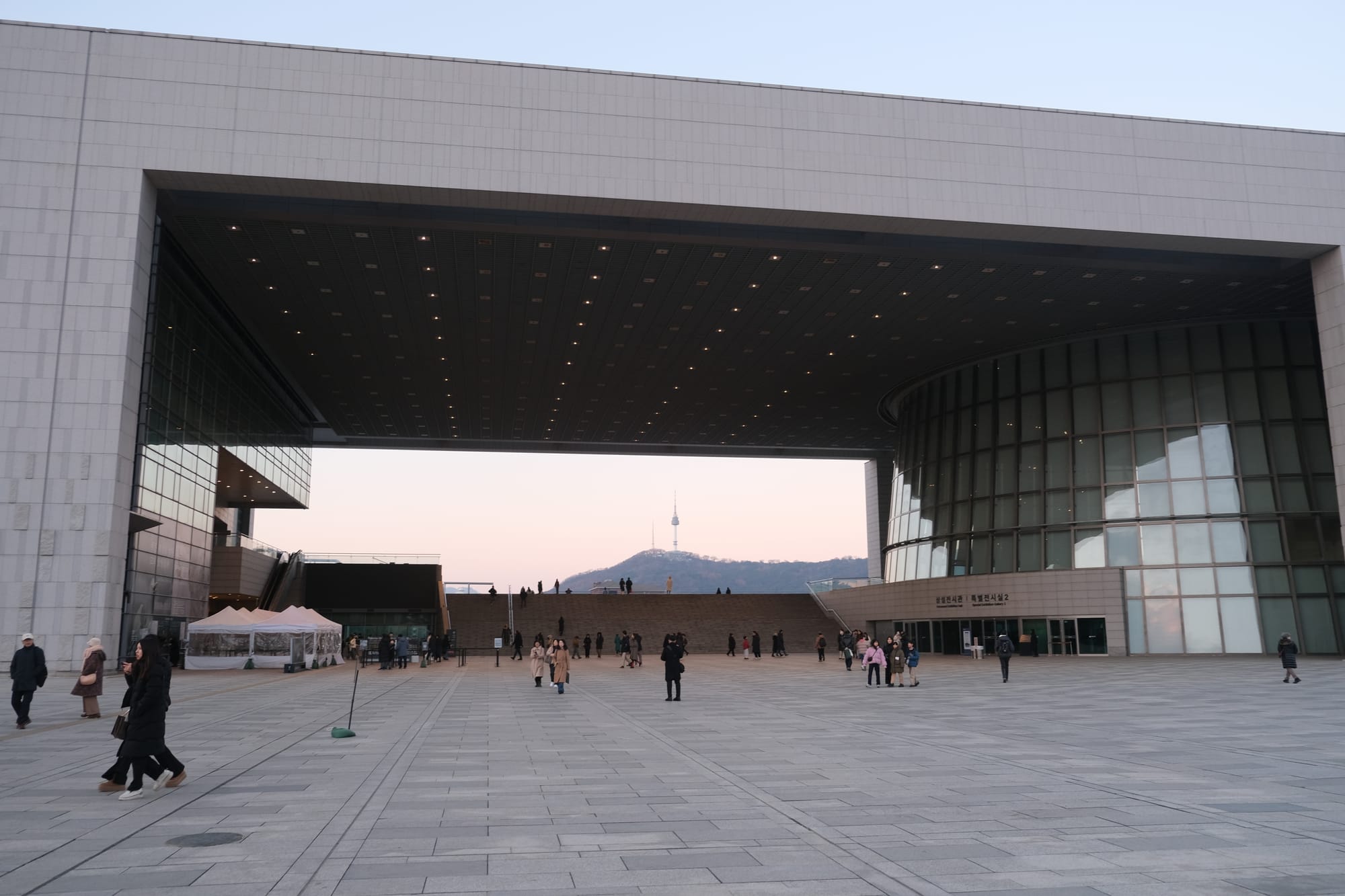
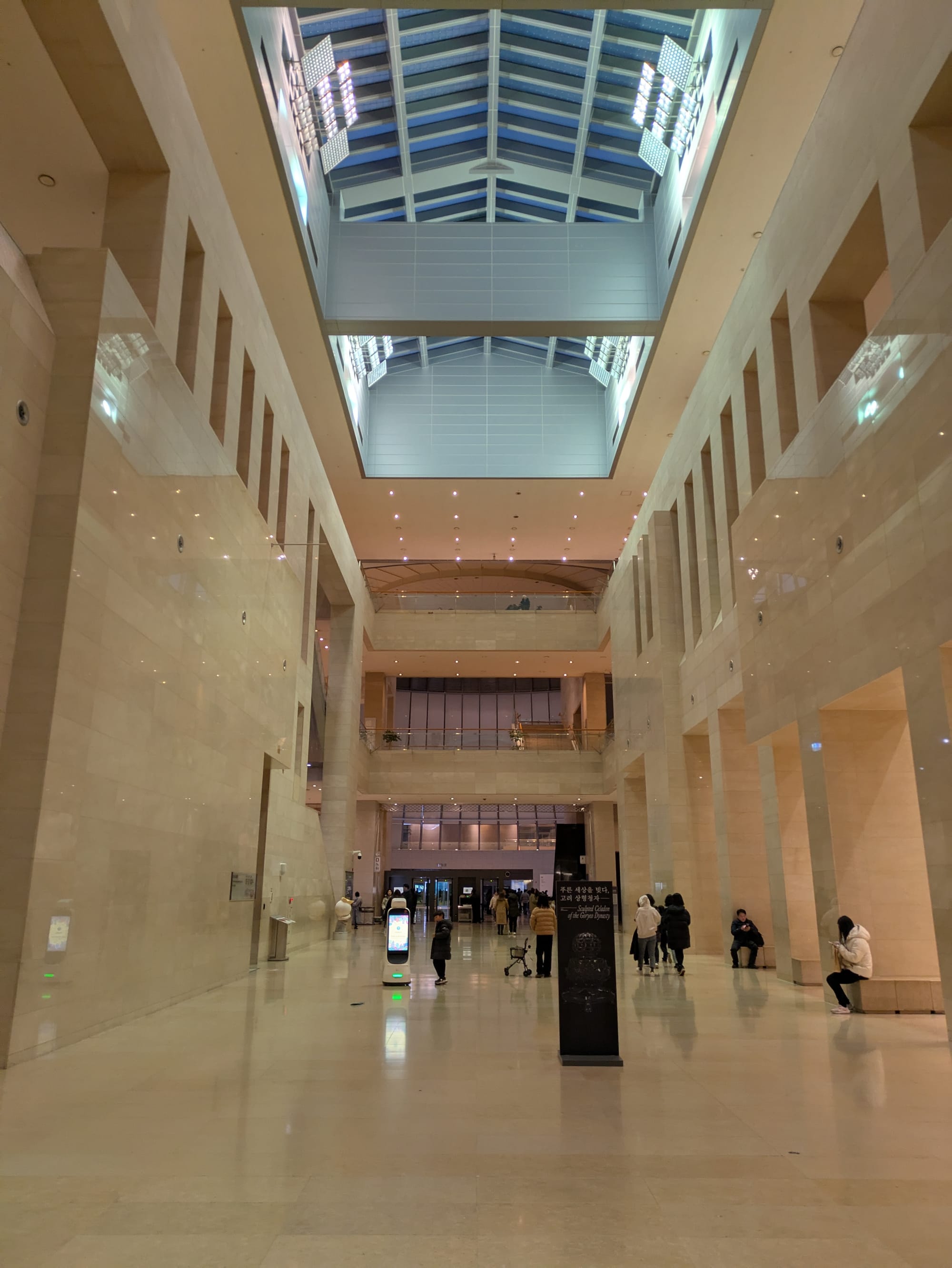
The National Museum of Korea.
The National Museum of Korea is huge, with an extensive permanent exhibition gallery on the ground floor that covers all of the history of the Korean peninsula. Many artifacts were displayed, in order, from the different periods of Korean history, right up to just before the colonial period in the 1900s. We arrived just as the sun was setting, but on this day the museum was open late, so we still had a couple of hours to explore the galleries.
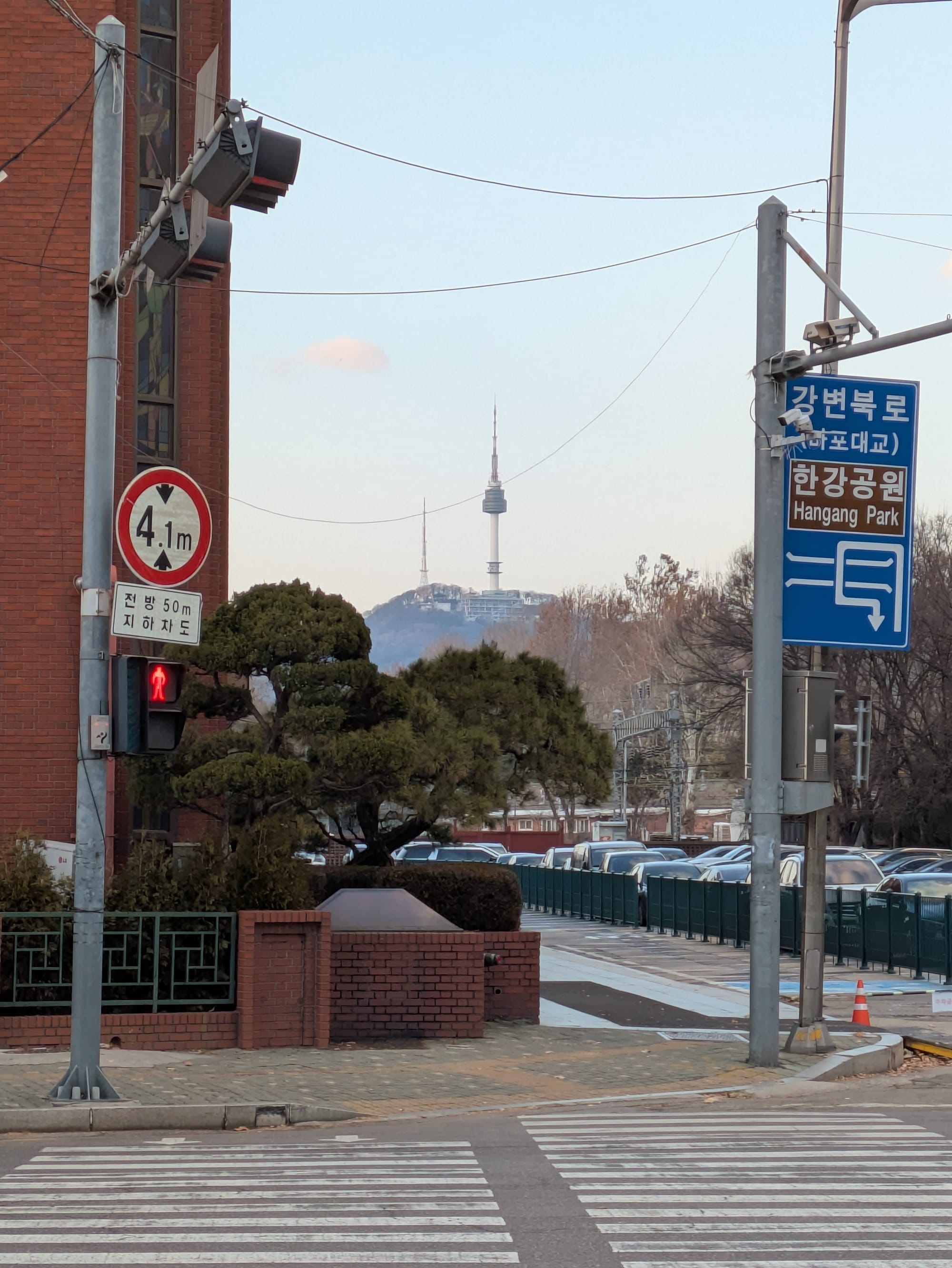
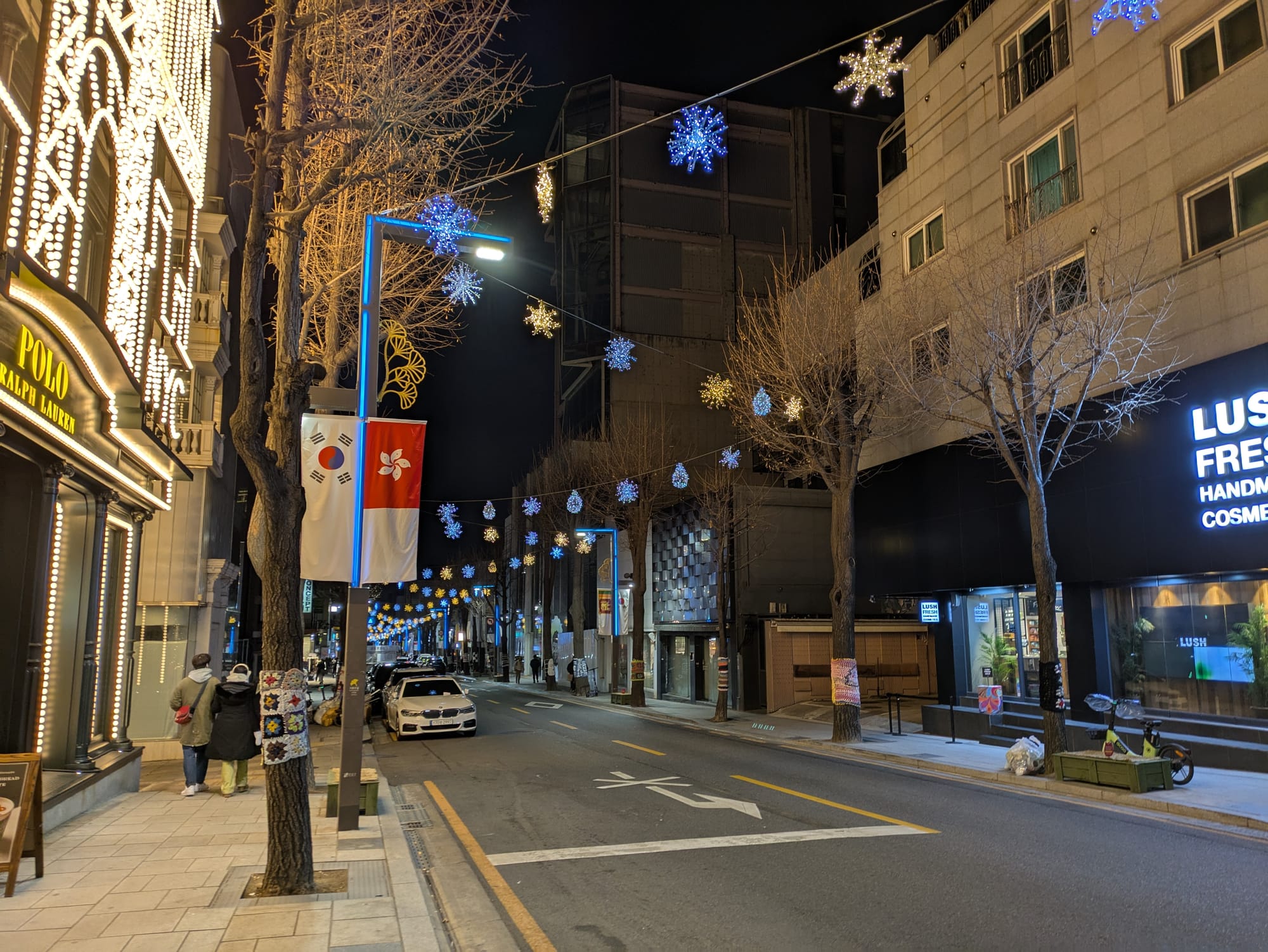
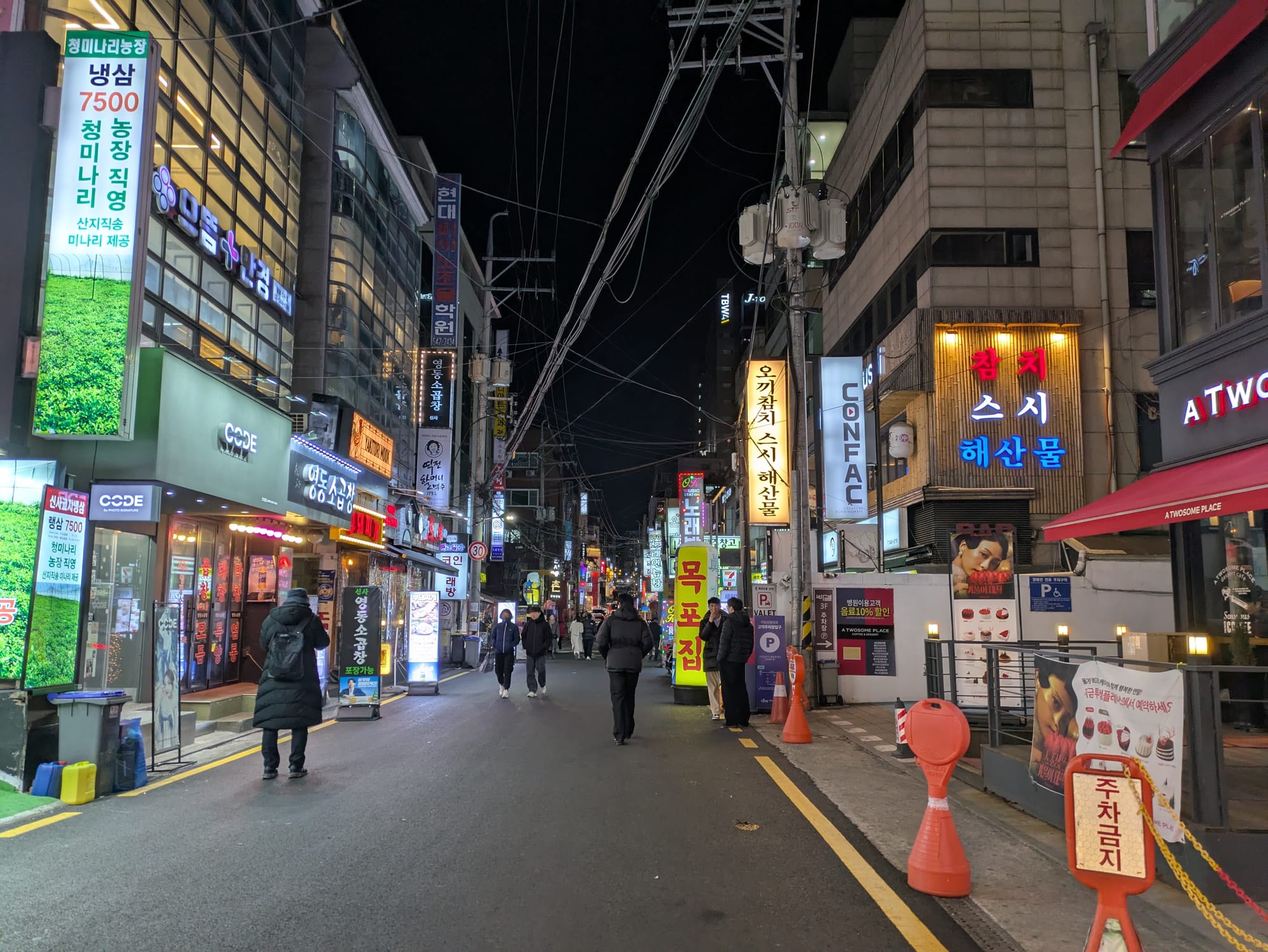
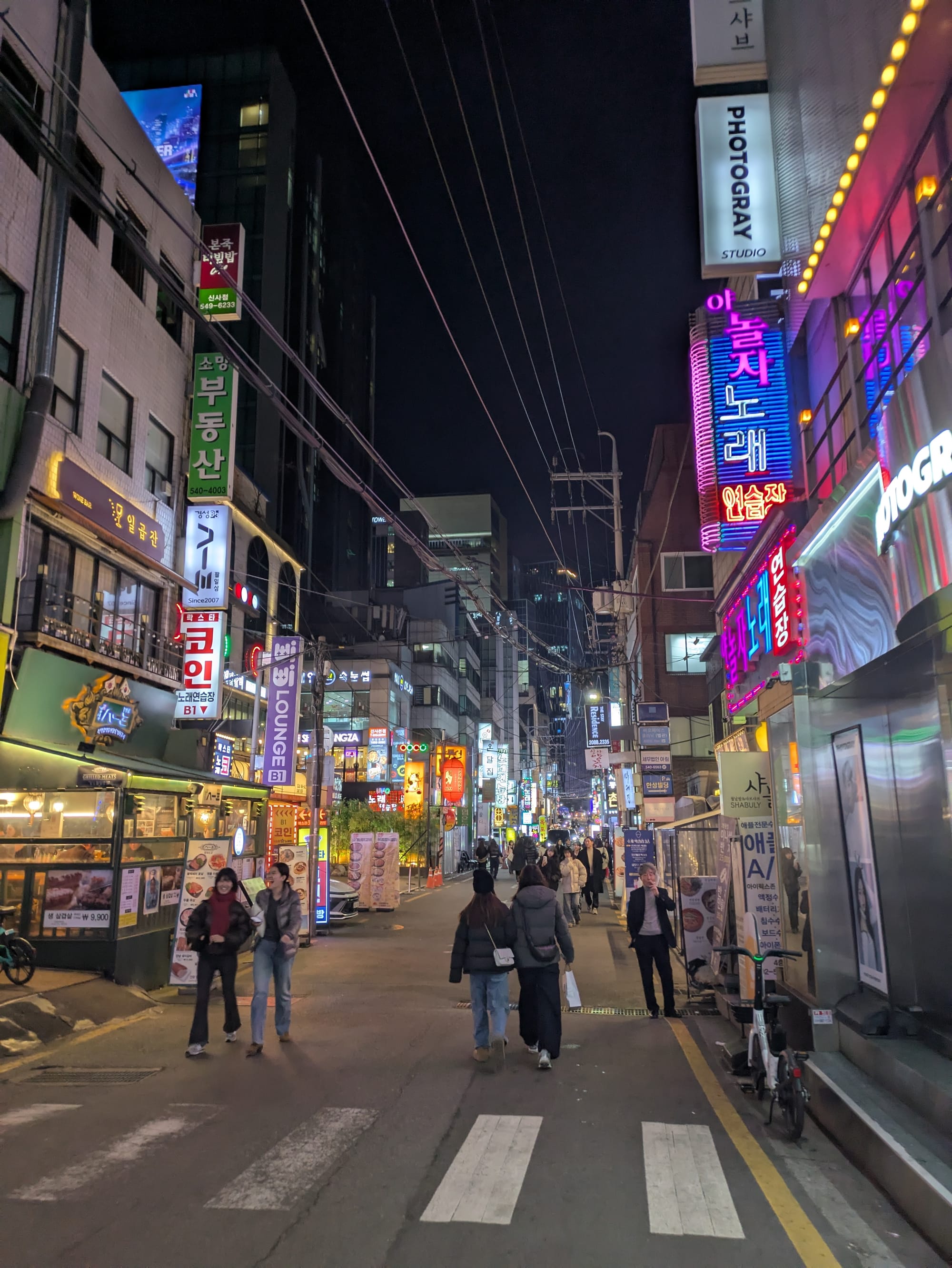
The streets in Gangnam (near our hotel) were often lit up at night with many colourful electric lights.
The Two Towers in Seoul
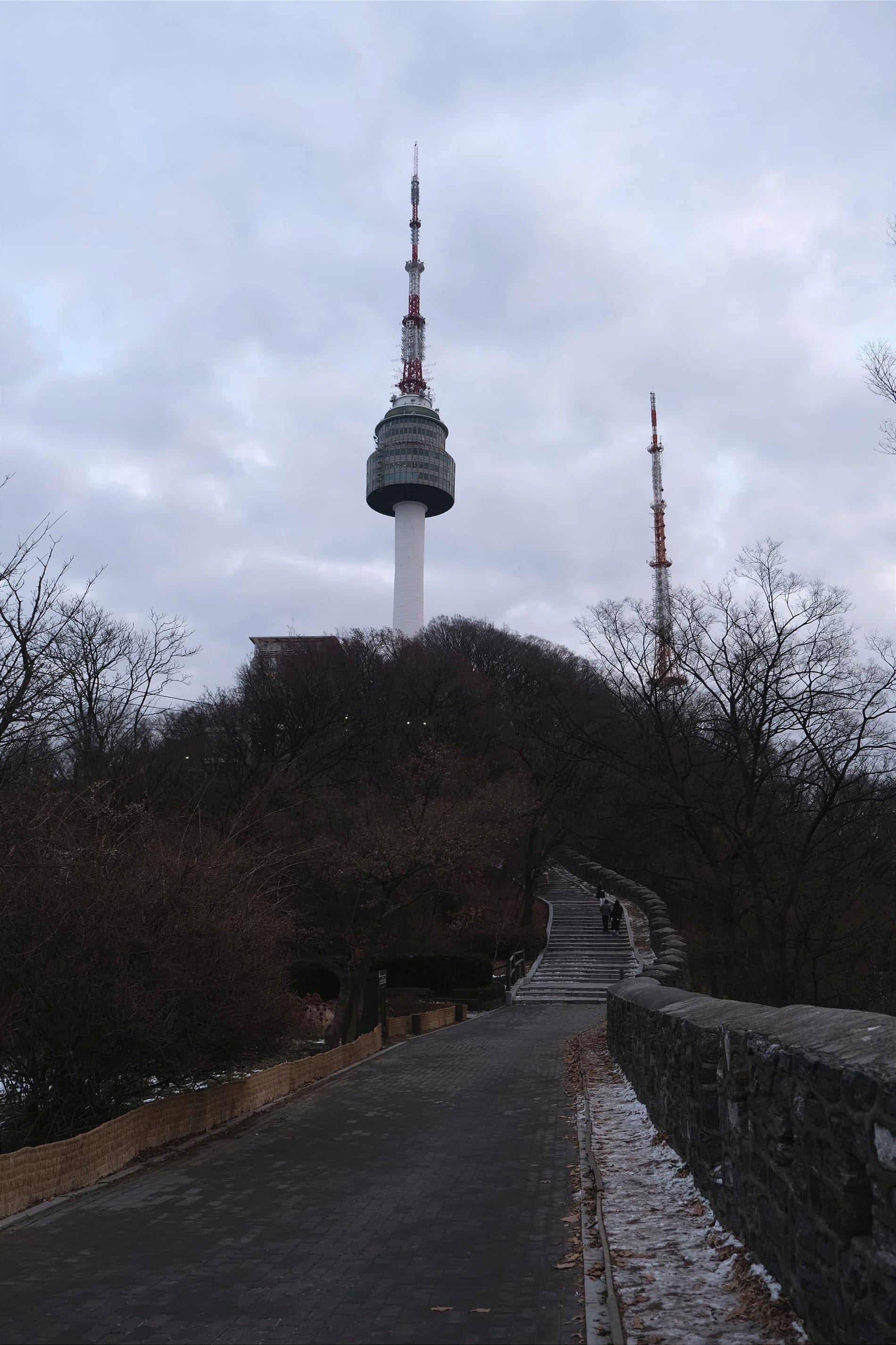
On the 29th of December we visited two towers in Seoul. The Lotte World Tower, at 555 meters tall, it is the sixth tallest building in the world (as of writing). We visited the observation deck at the top where we had panoramic views of Seoul all around us. The N Seoul Tower is much shorter (at 236 meters tall) but looks more like a tower and is situated on a hill, so still has fantastic views of the city.
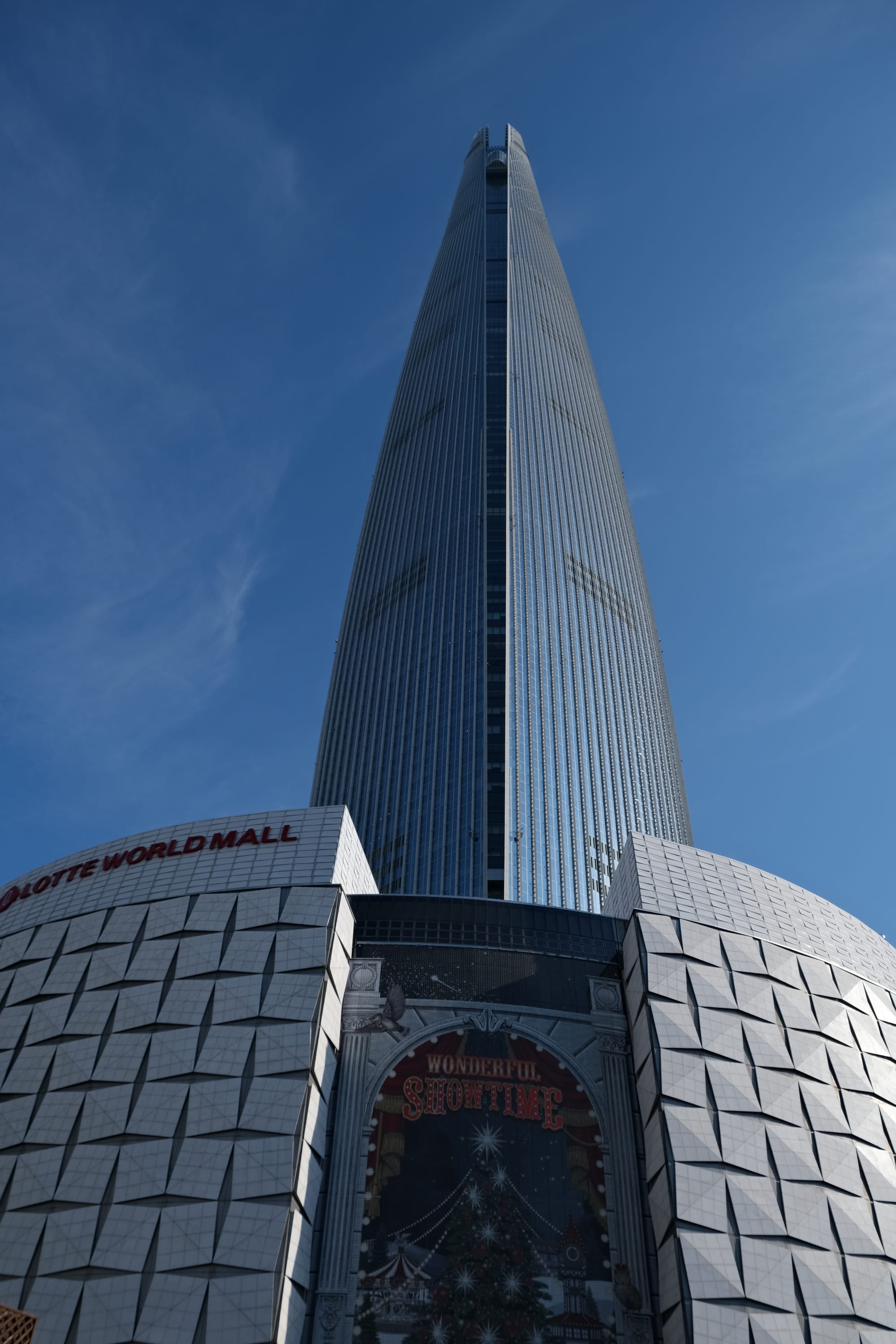
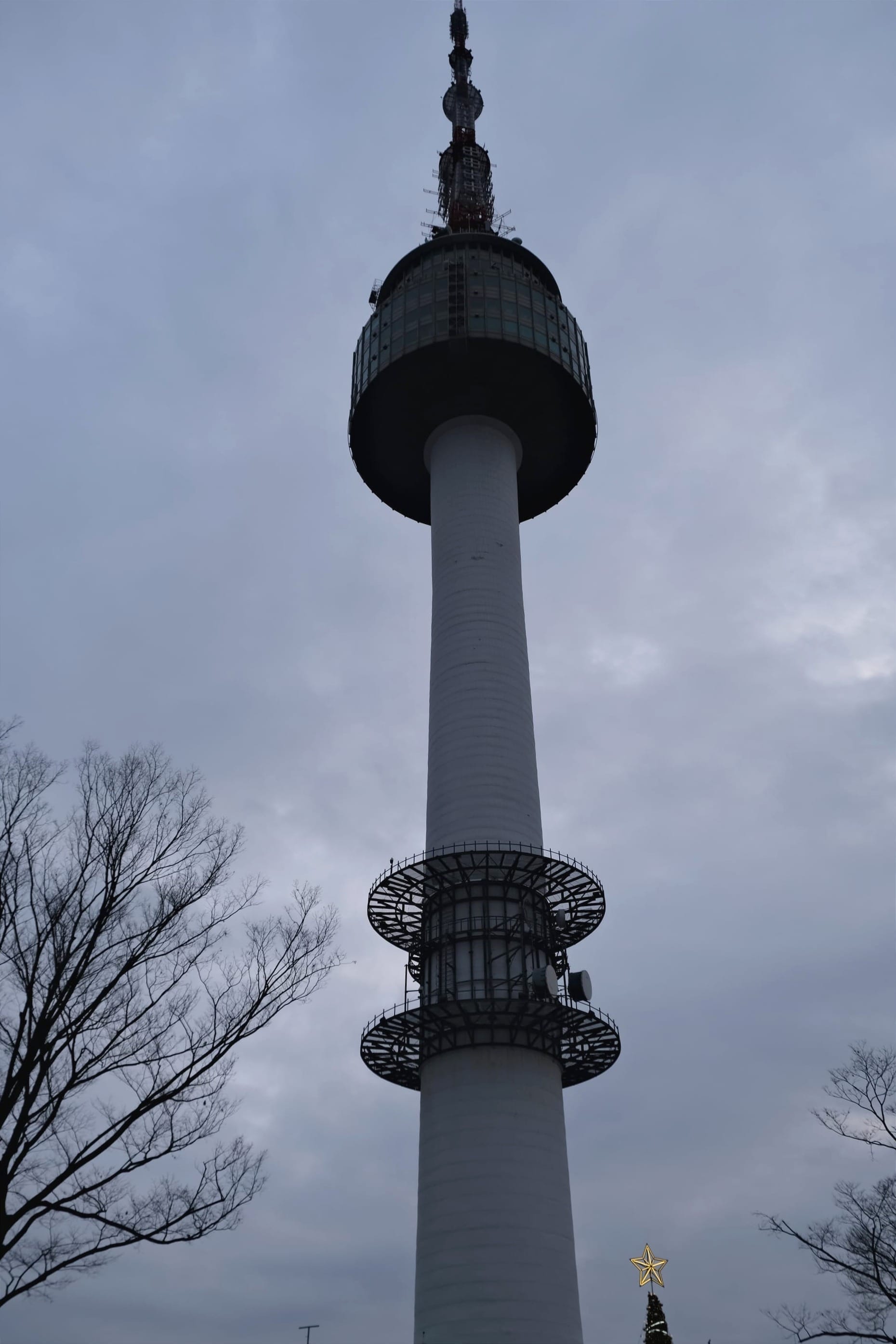
The two towers we visited in Seoul, the Lotte World Tower in the morning and the N Seoul Tower in the afternoon.
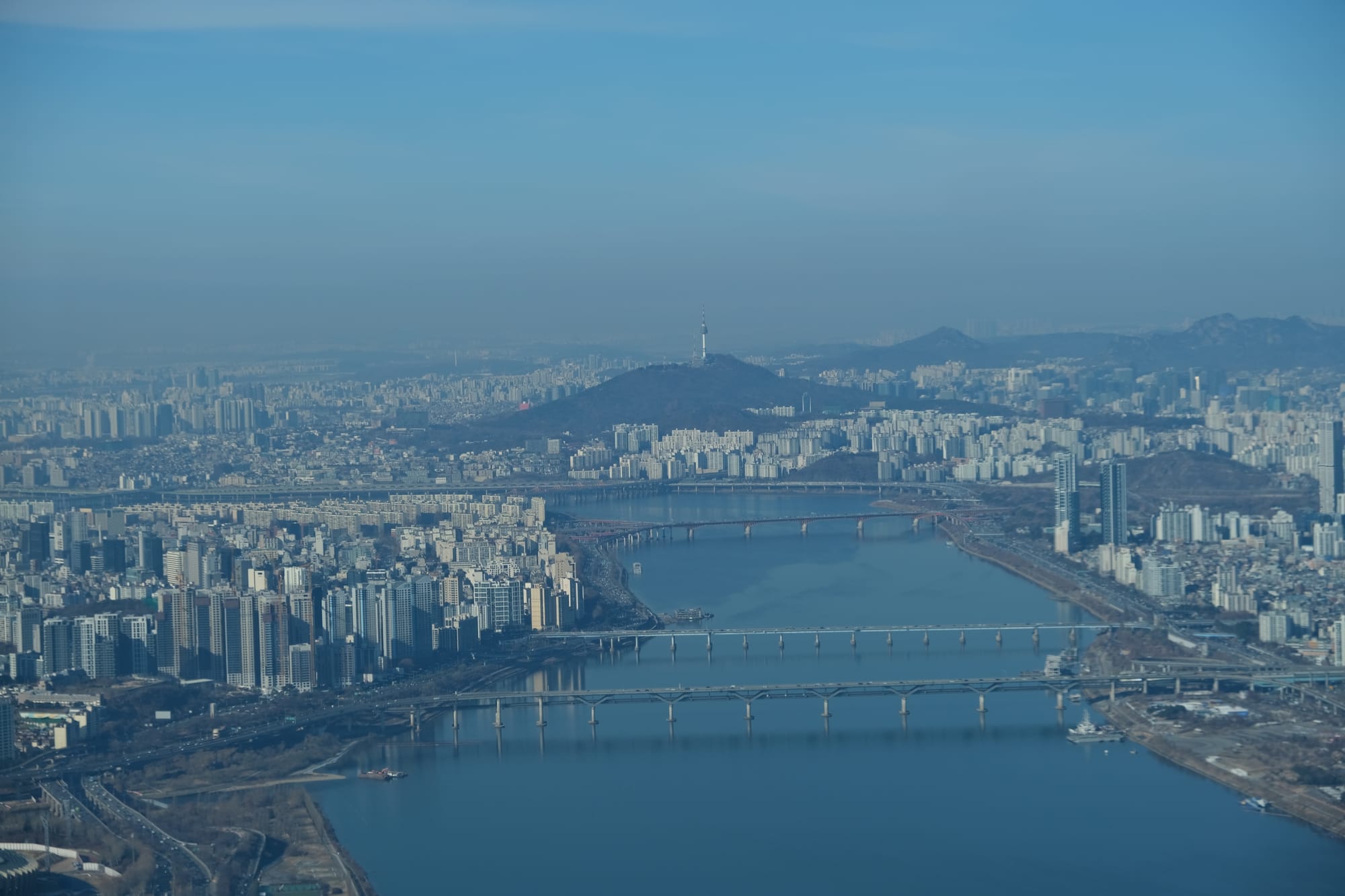
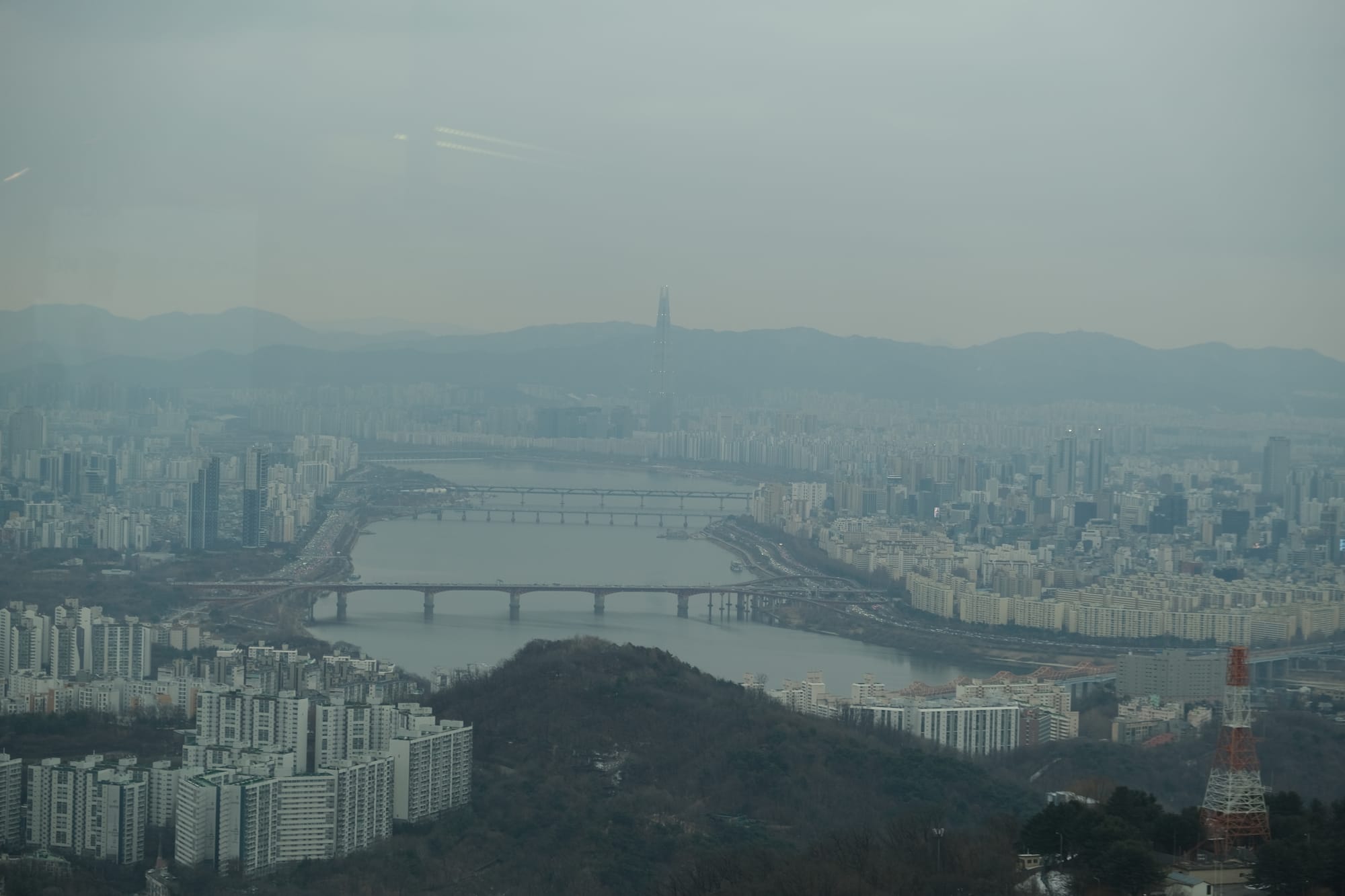
The N Seoul Tower as seen from the Lotte World Tower in the first image, and the Lotte World Tower as seen from the N Seoul Tower in the second image.
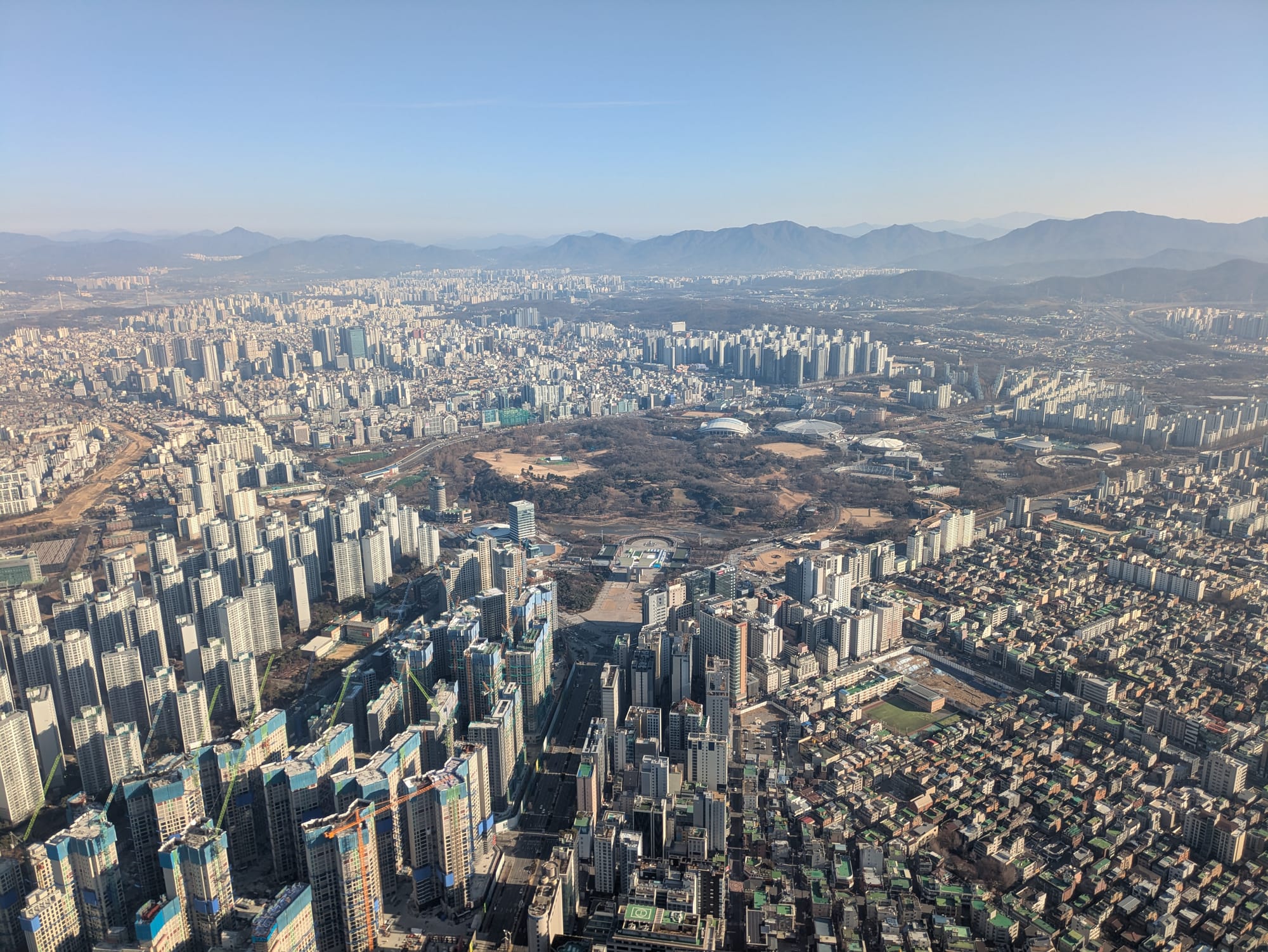
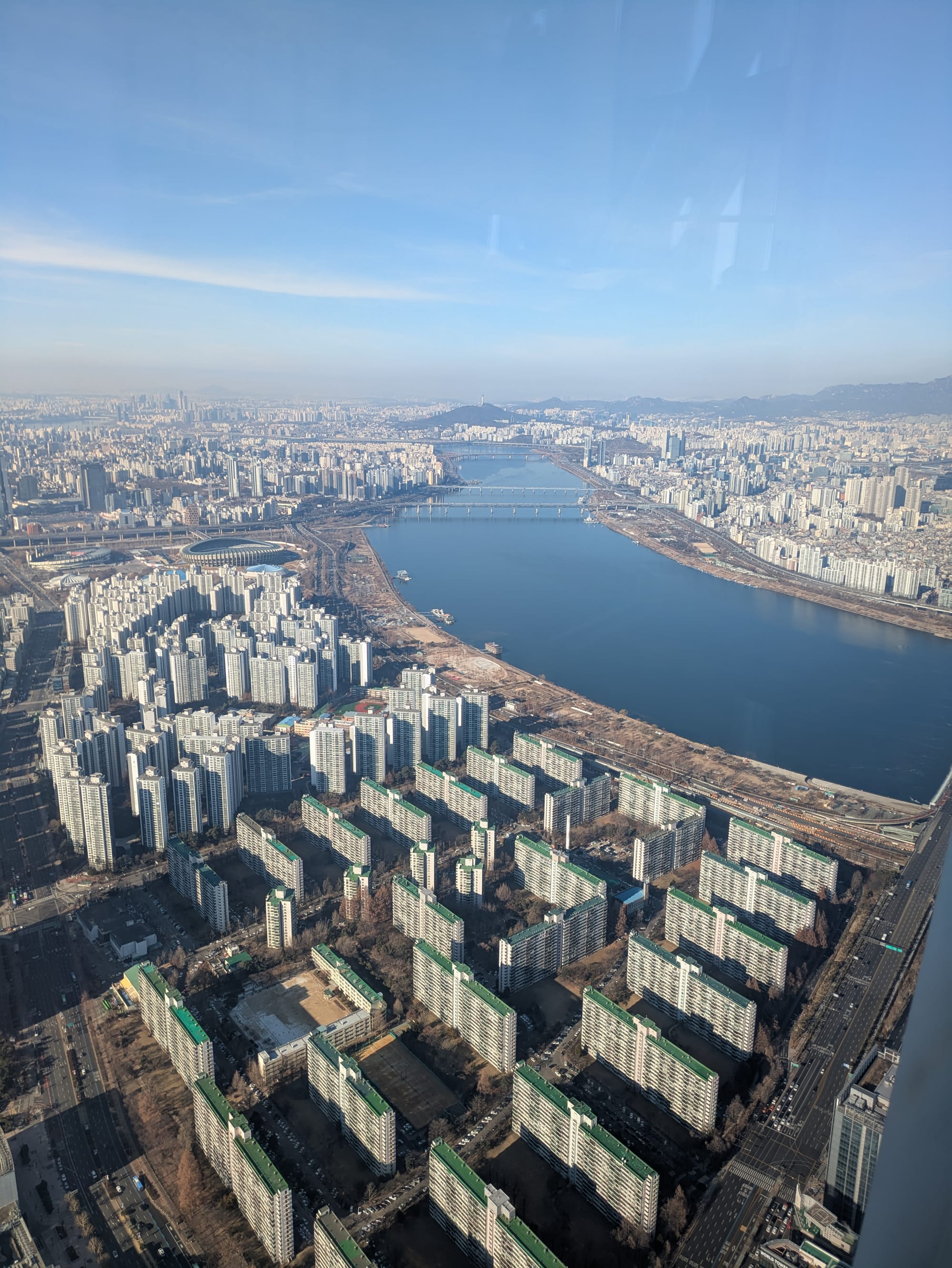
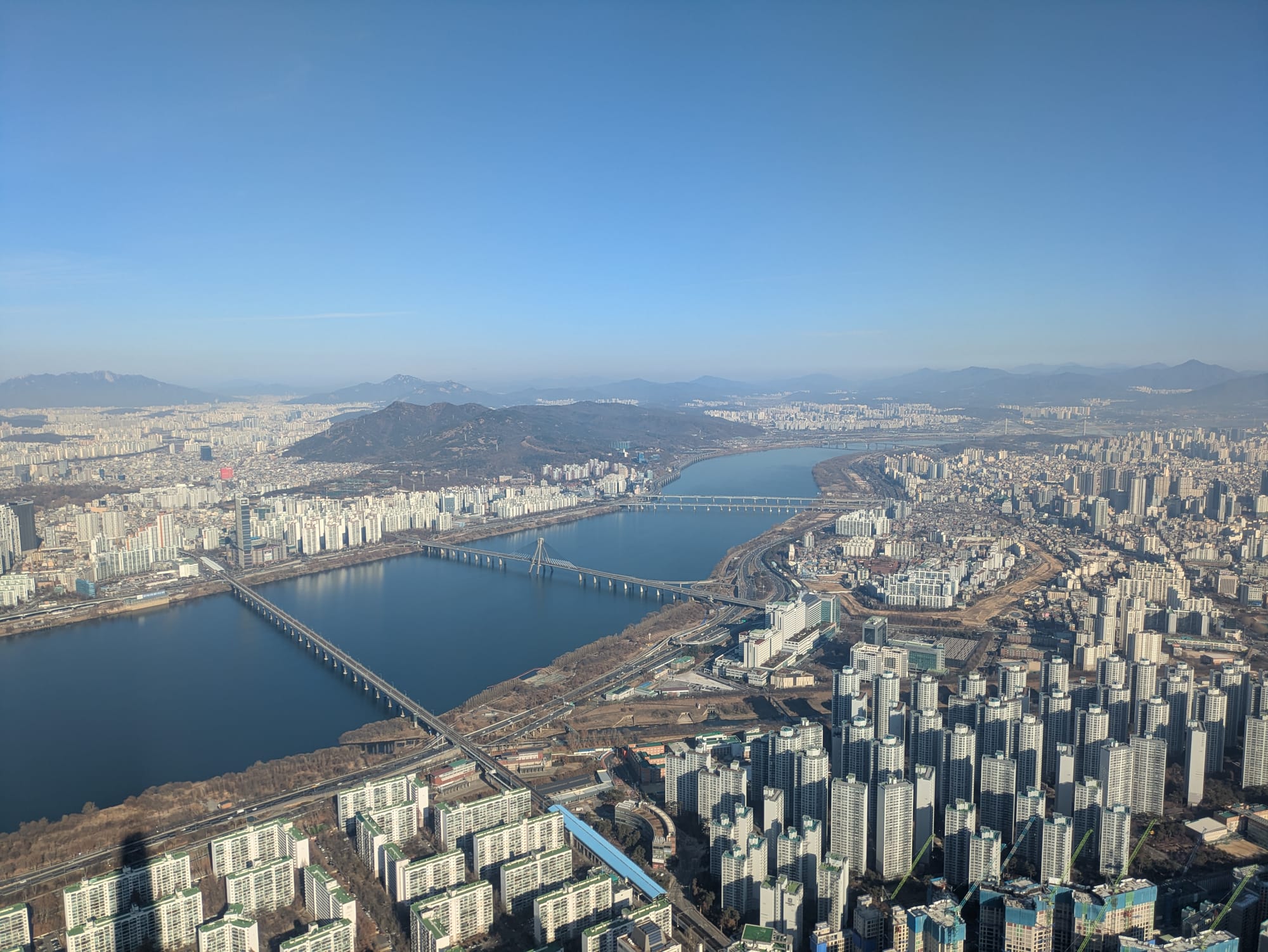
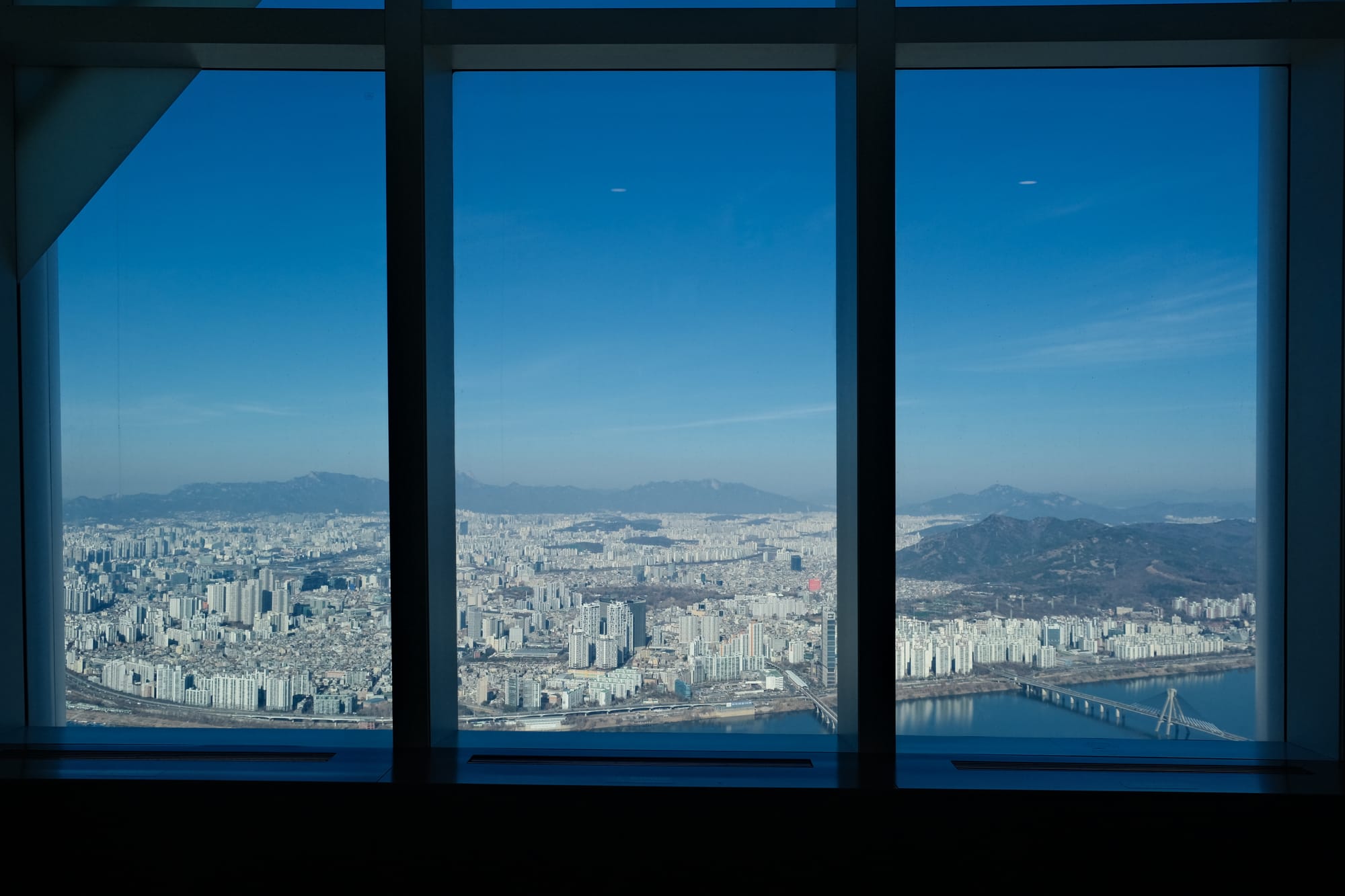
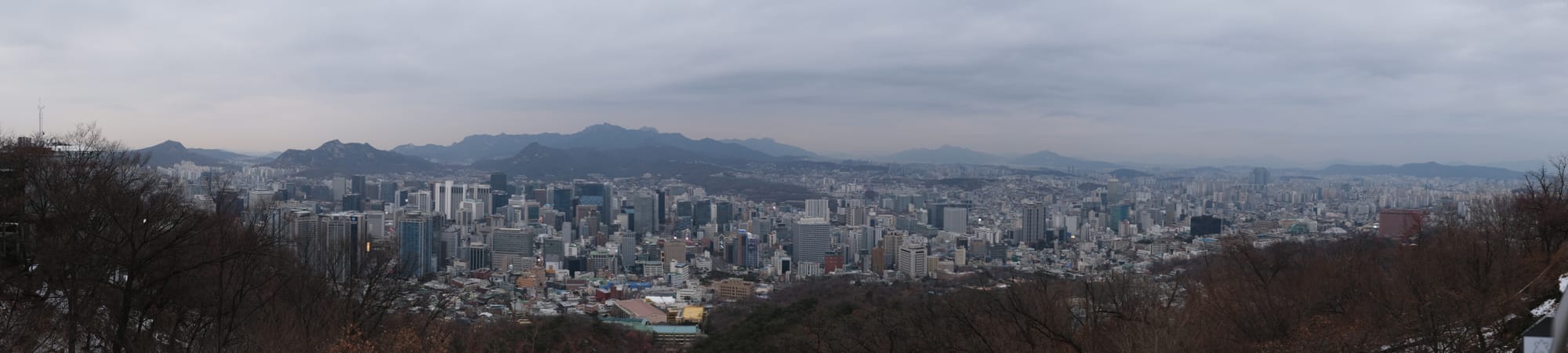
The view of Seoul as seen from the Lotte World Tower observation deck. This was my first time properly seeing just how massive Seoul is, the urban area stretching far to the distant mountains. The Lotte Tower itself is so tall it makes all the other skyscrapers look tiny by comparison.
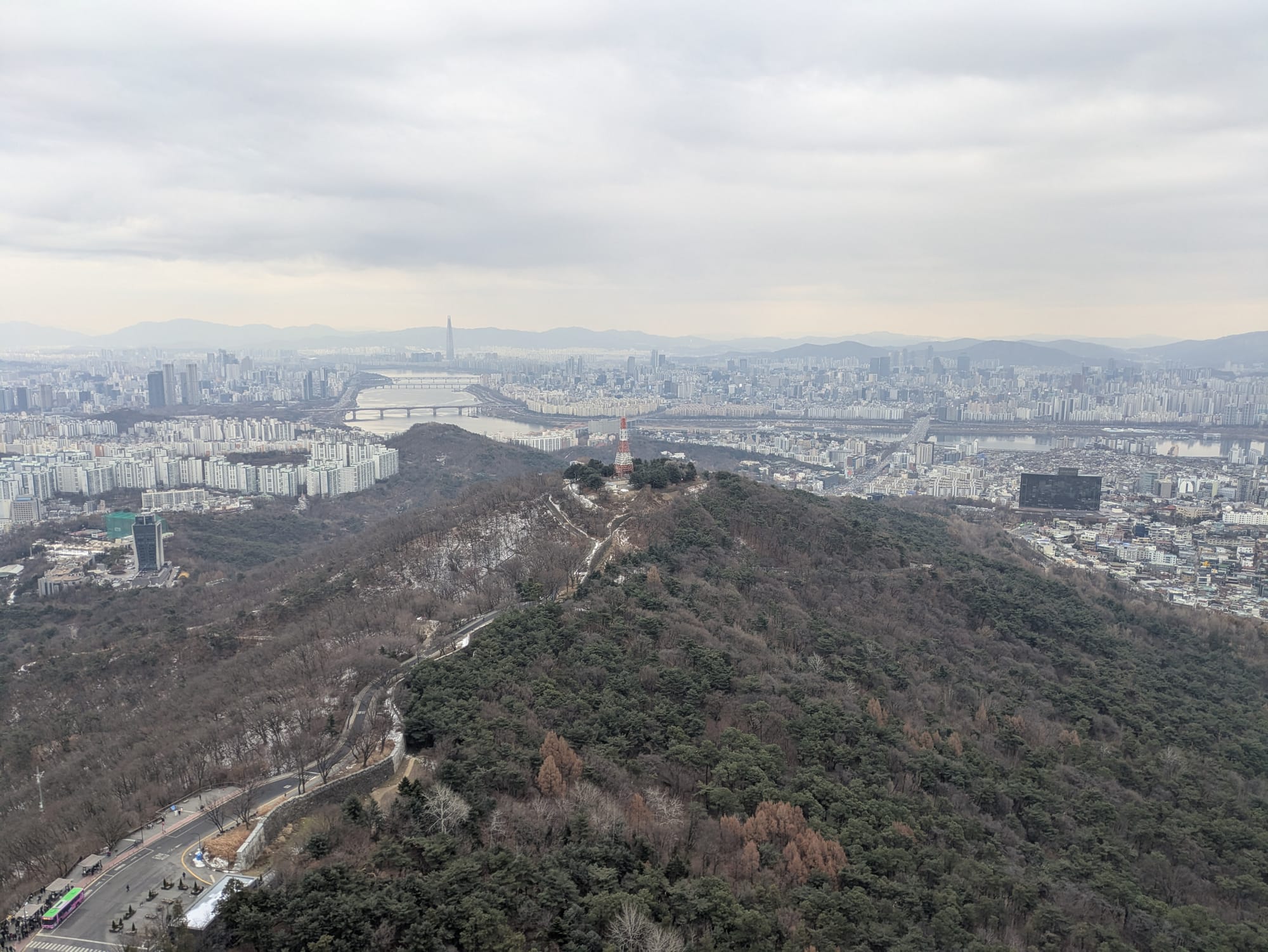
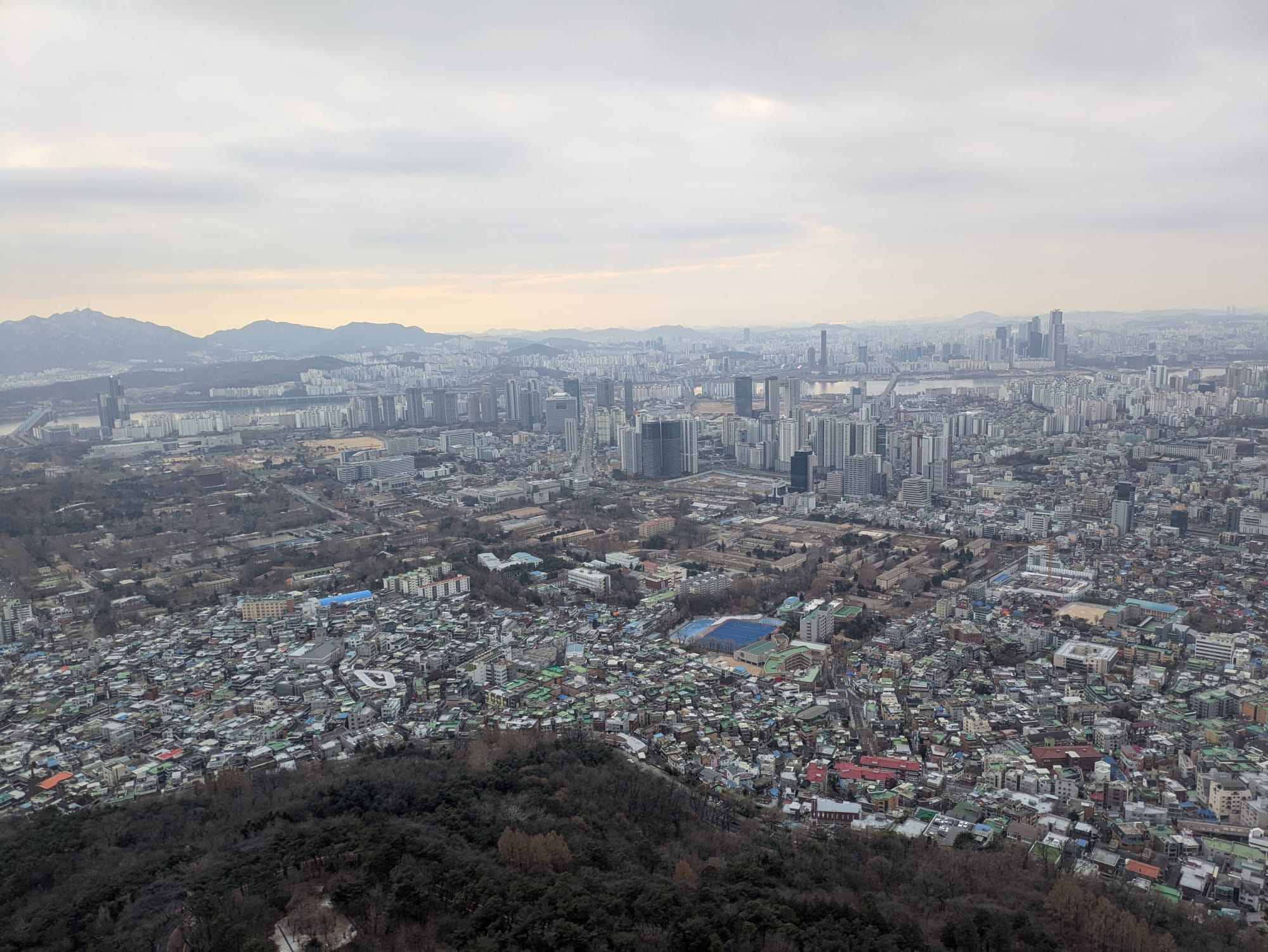
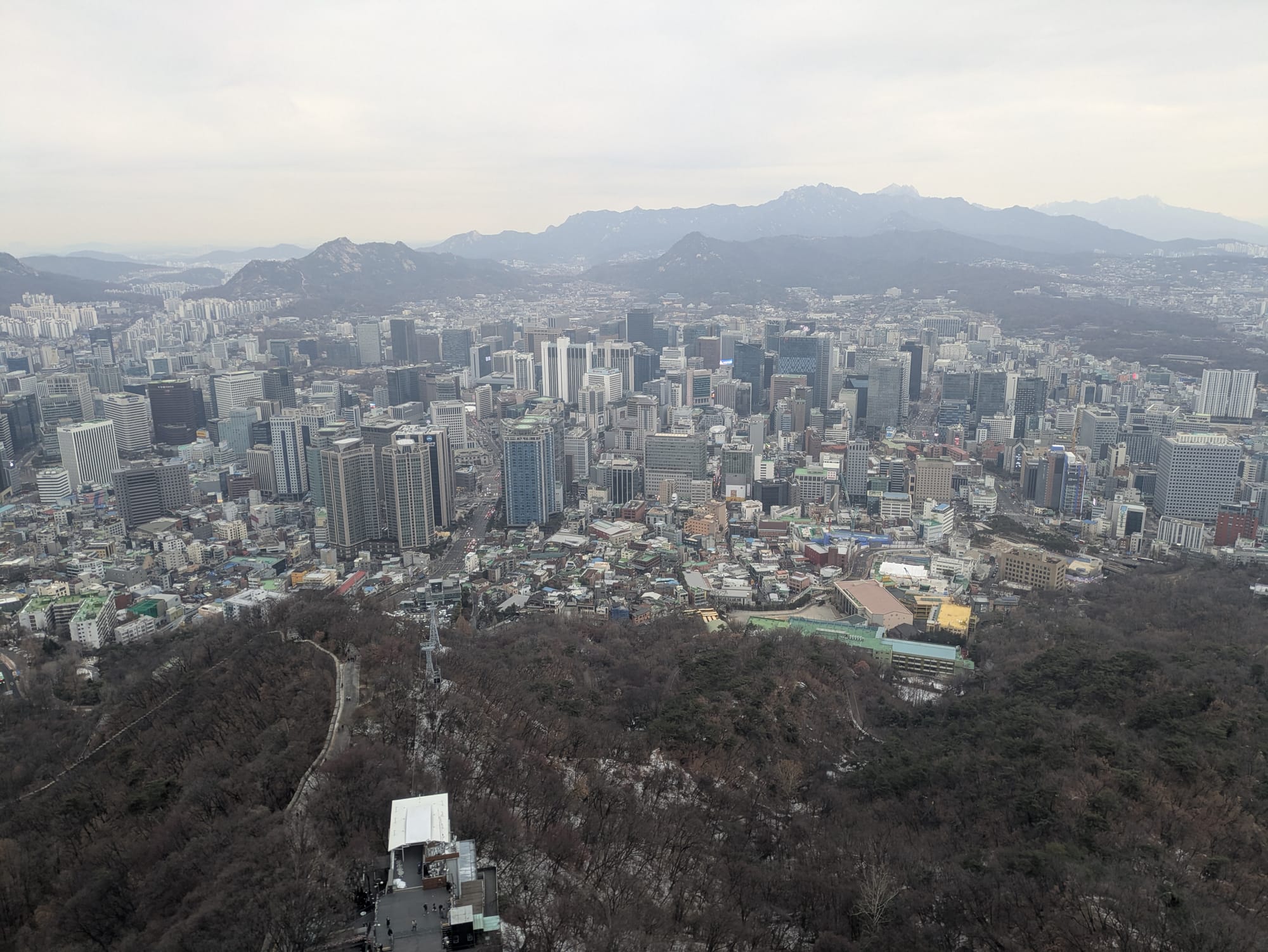
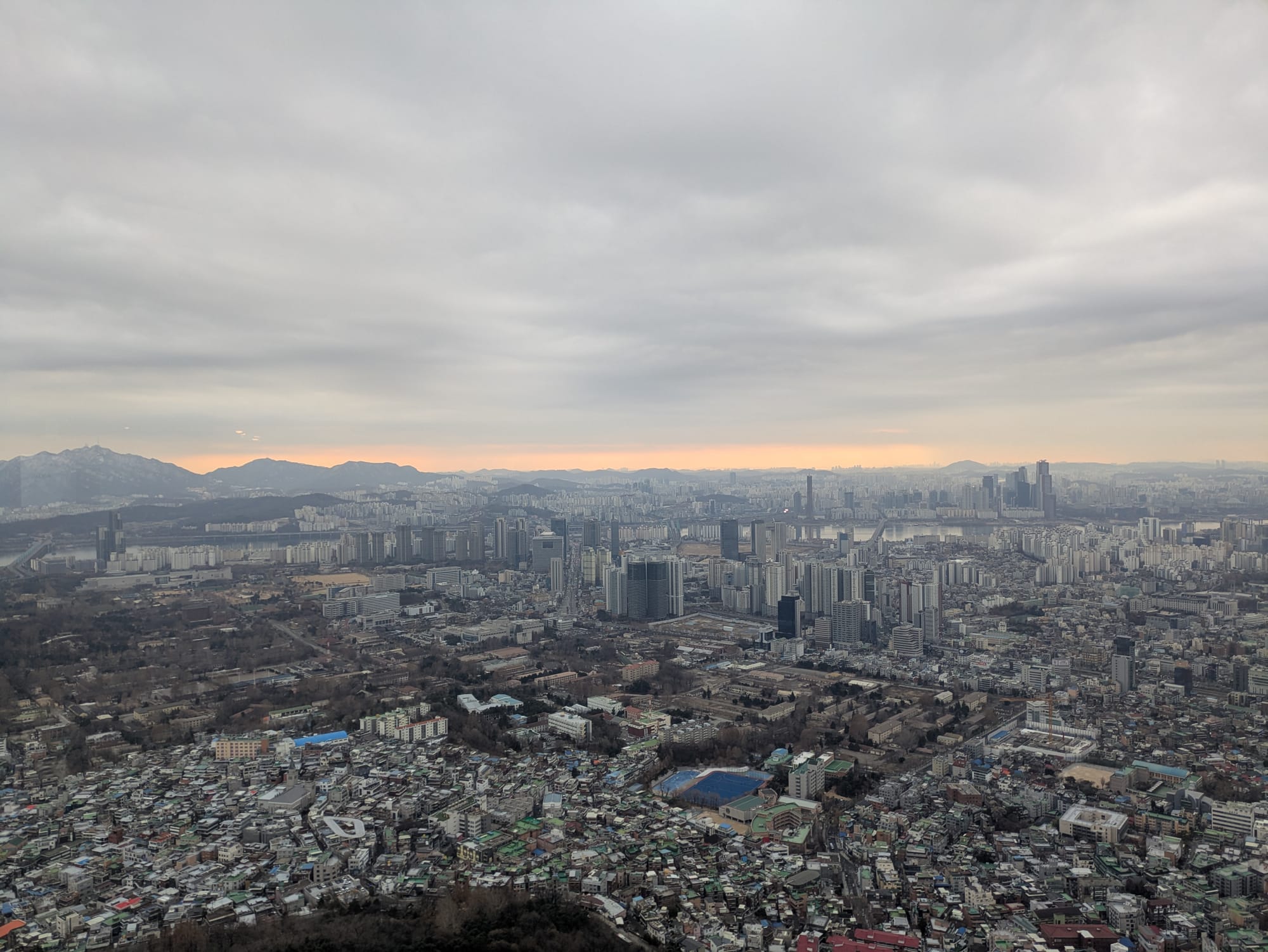
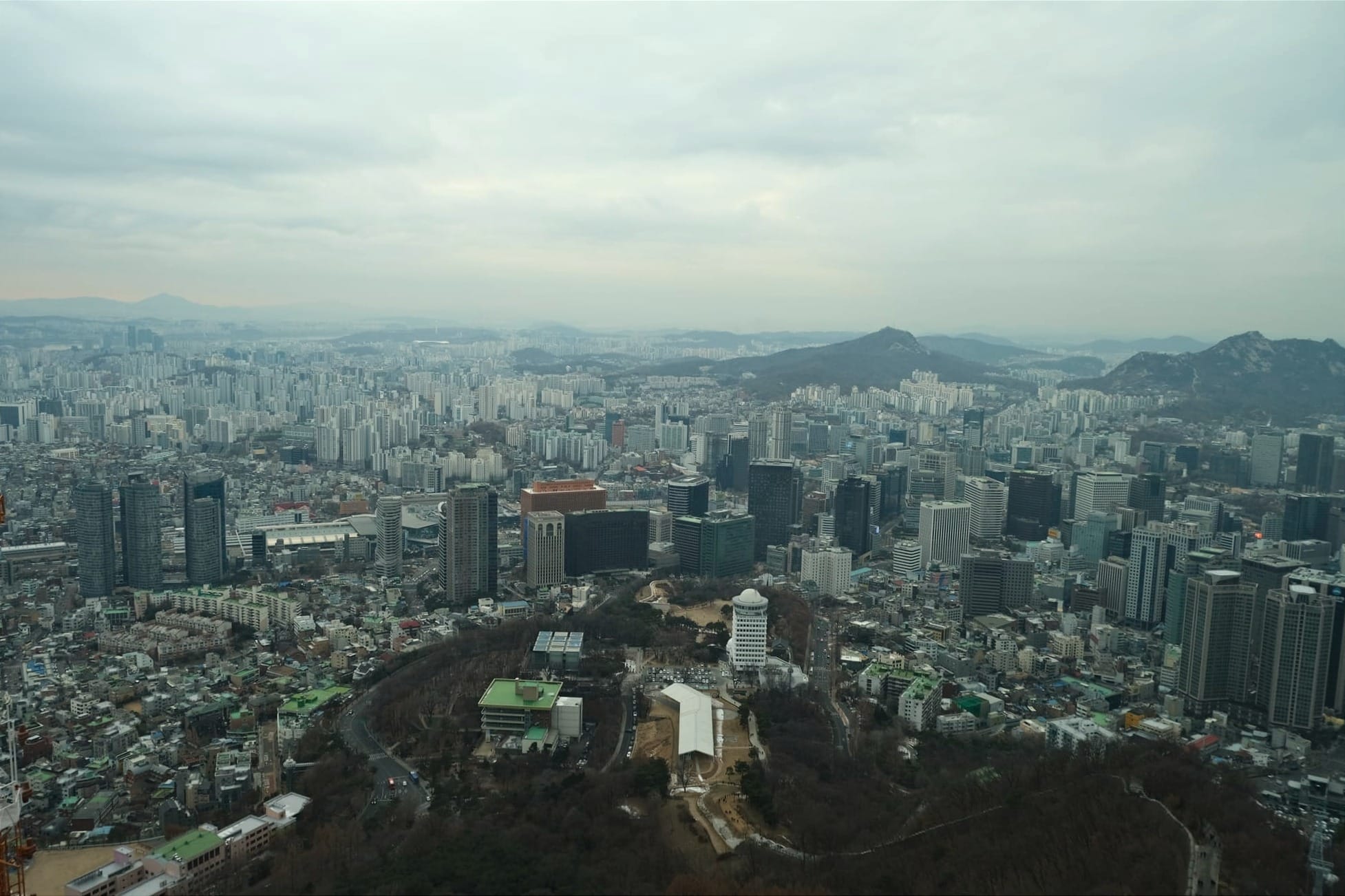
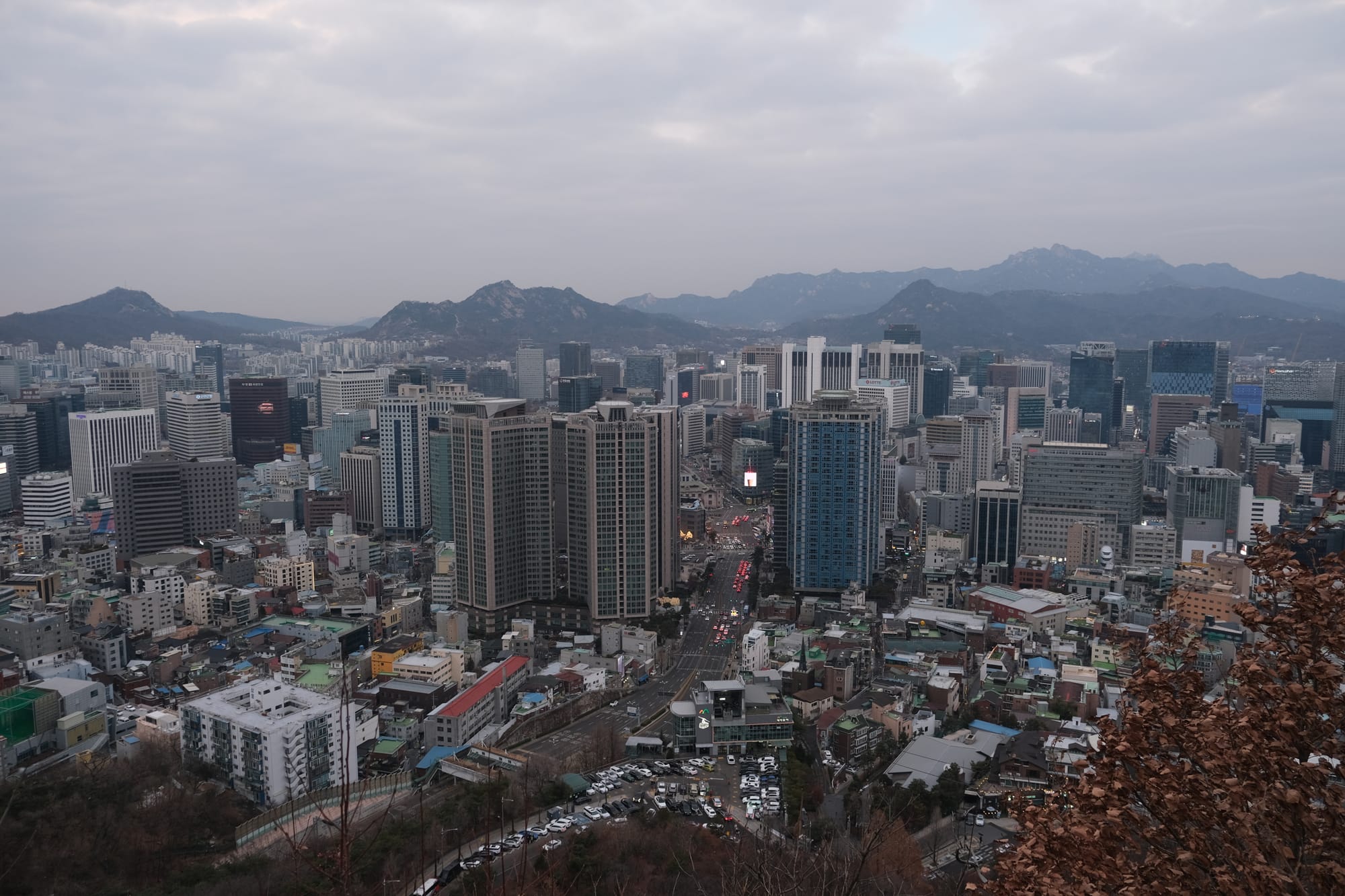
Views of Seoul from the N Seoul Tower.
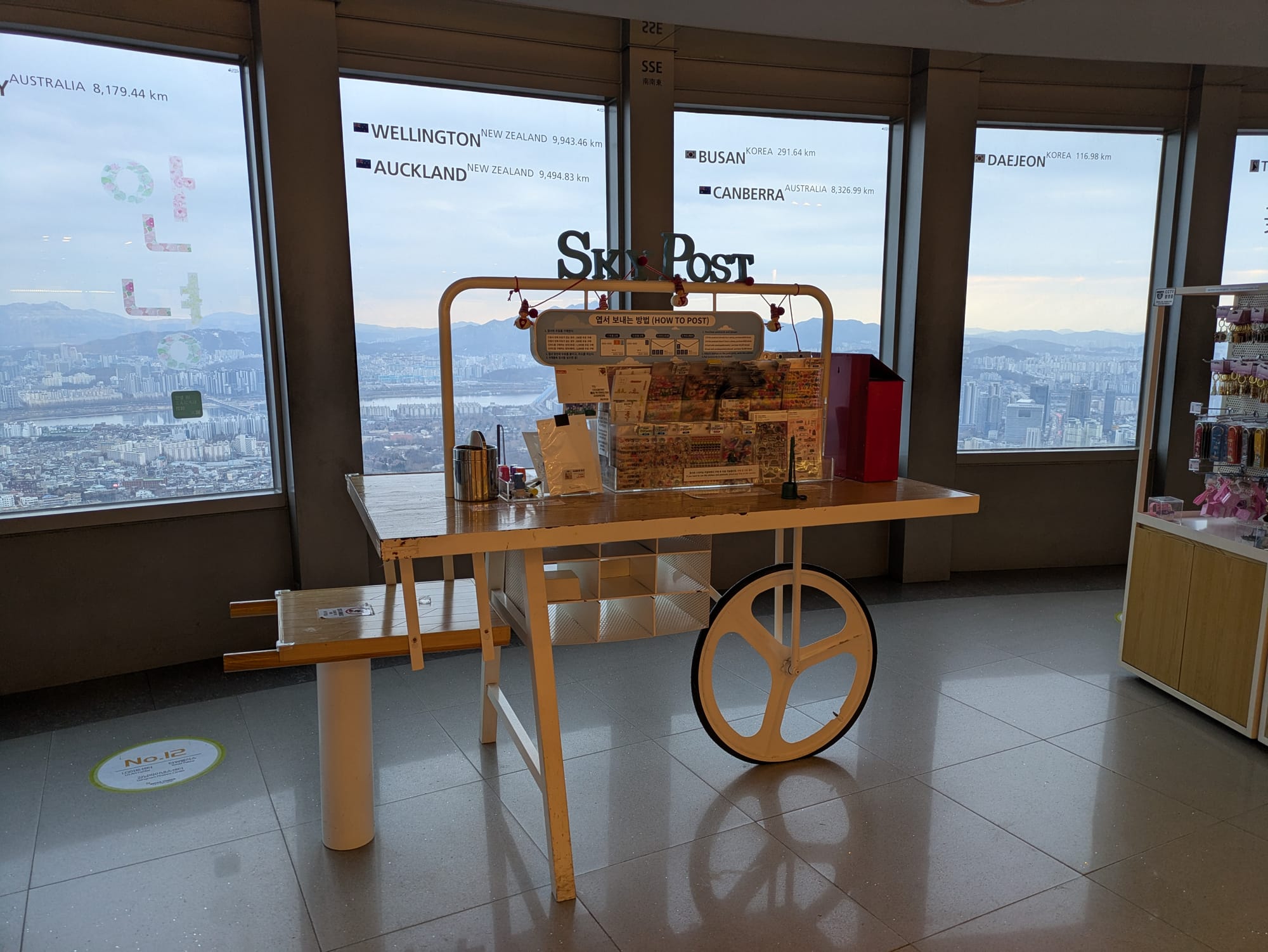
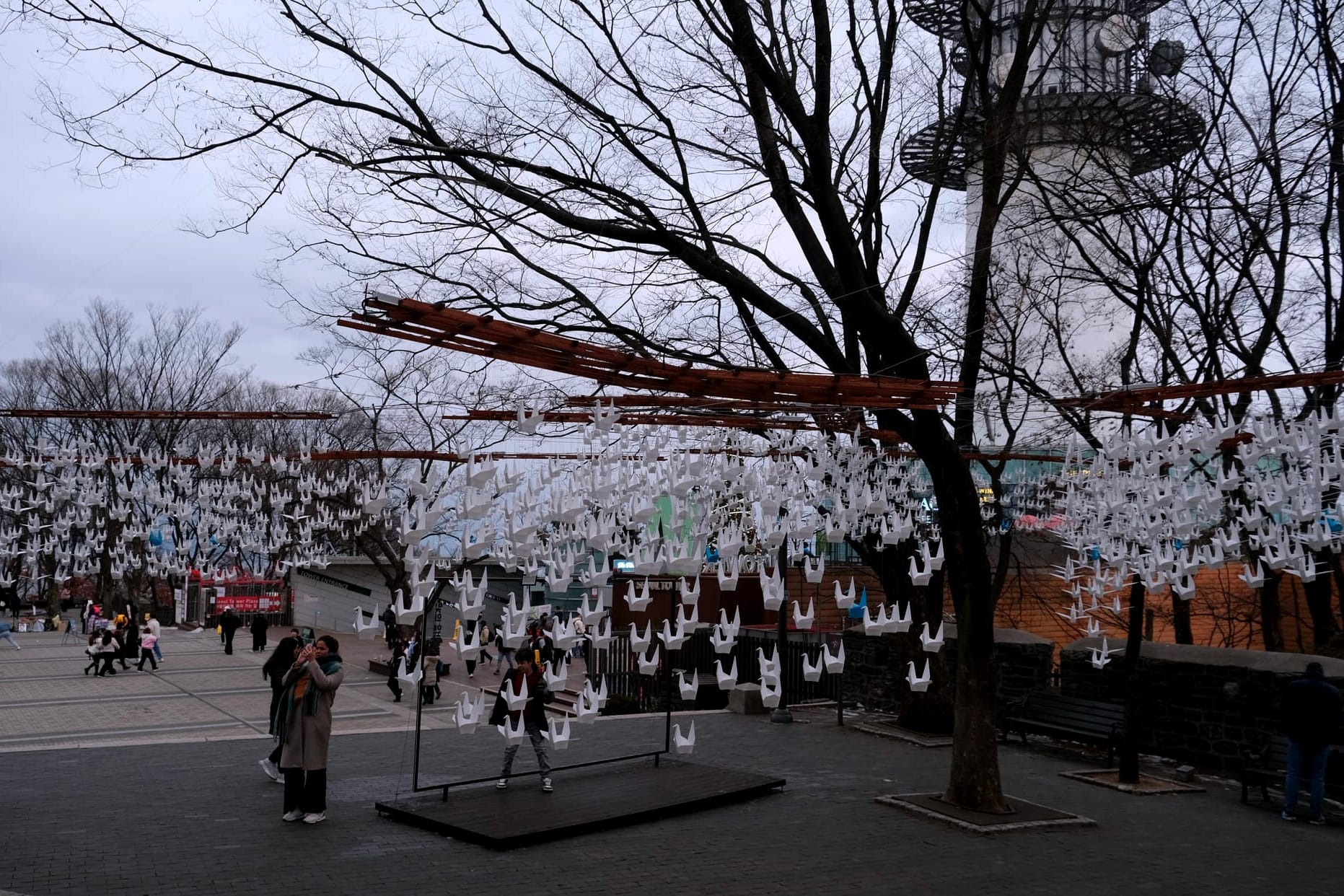
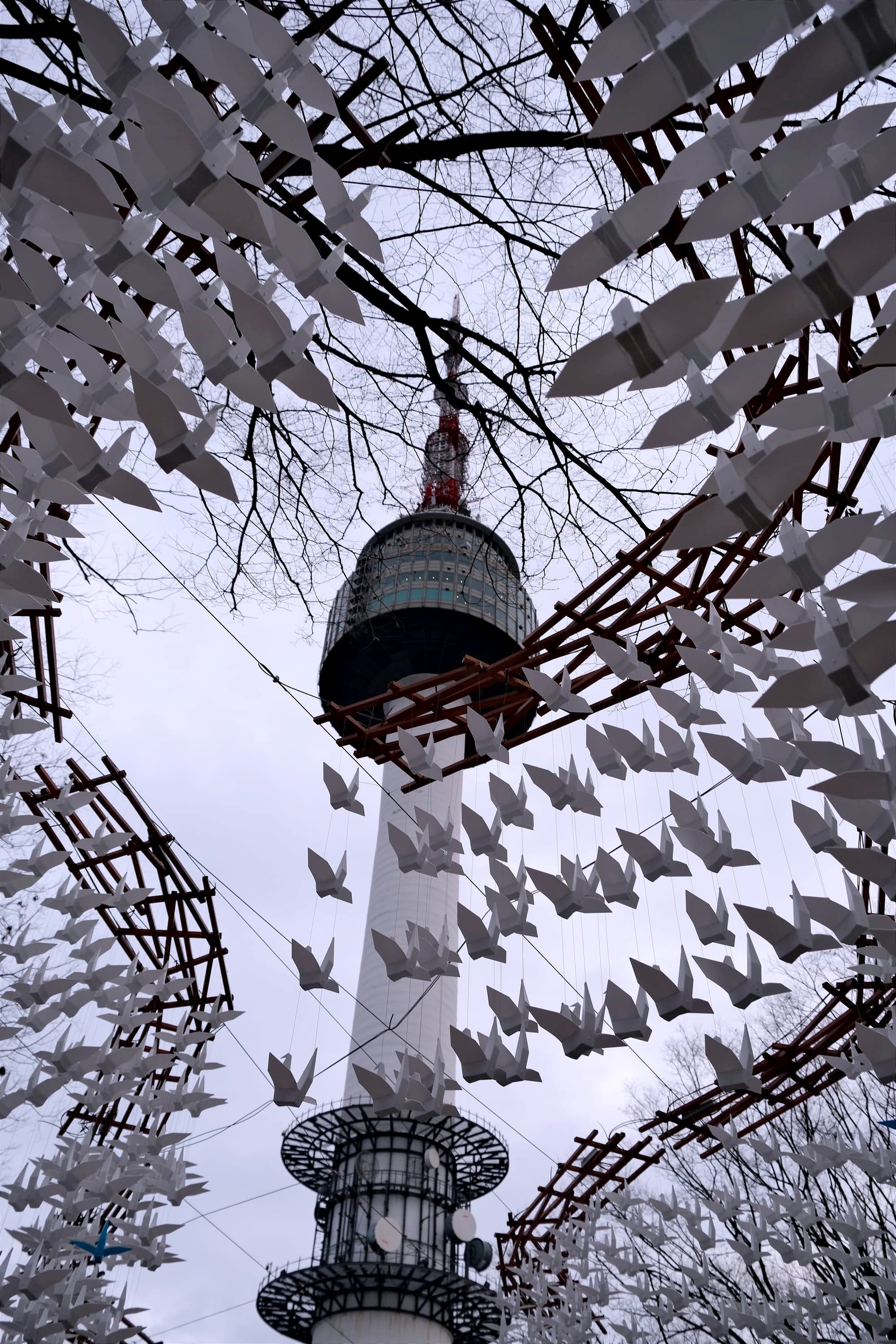
On the mountain peak, next to the tower was a display of hanging paper cranes.
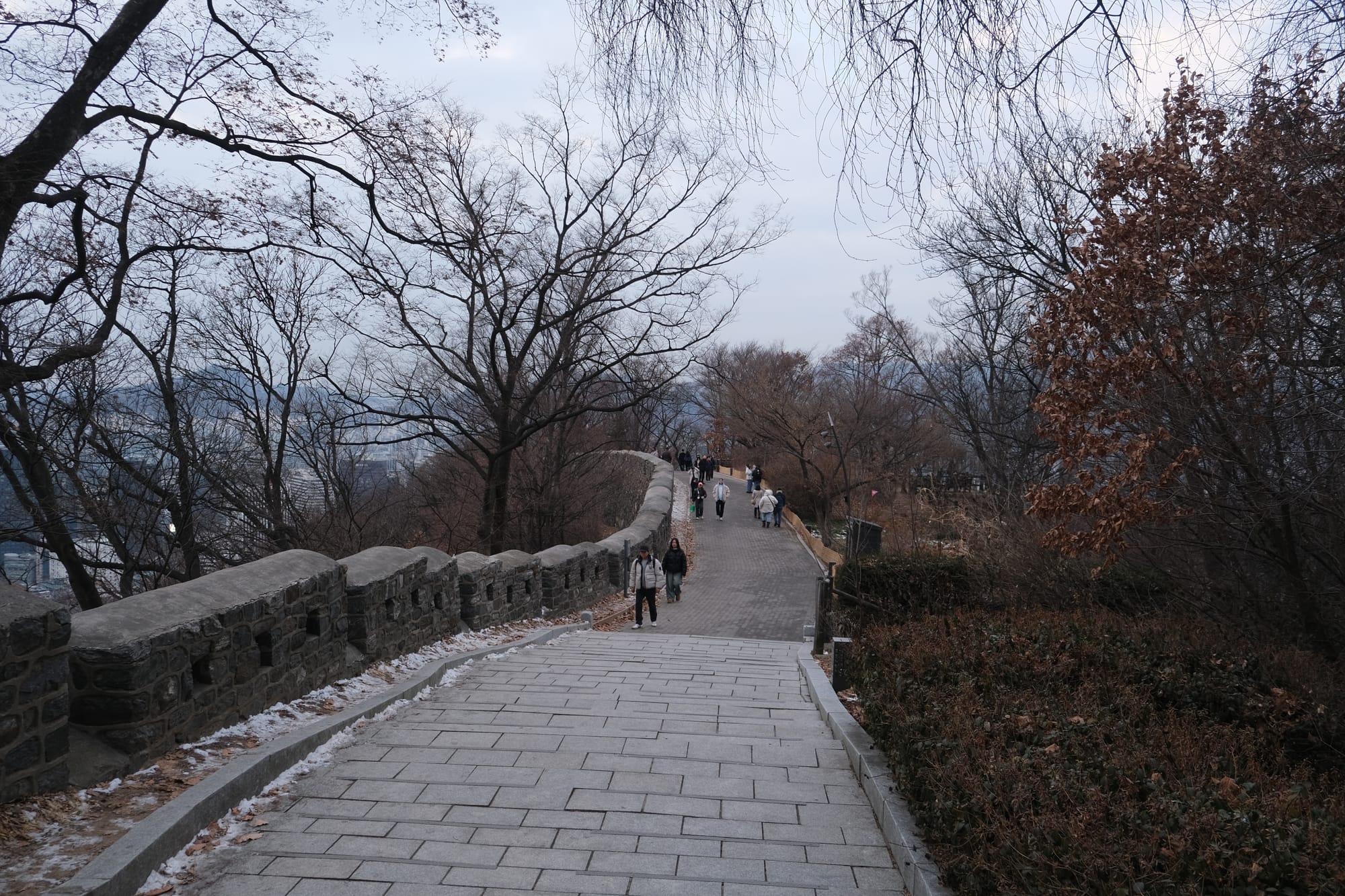
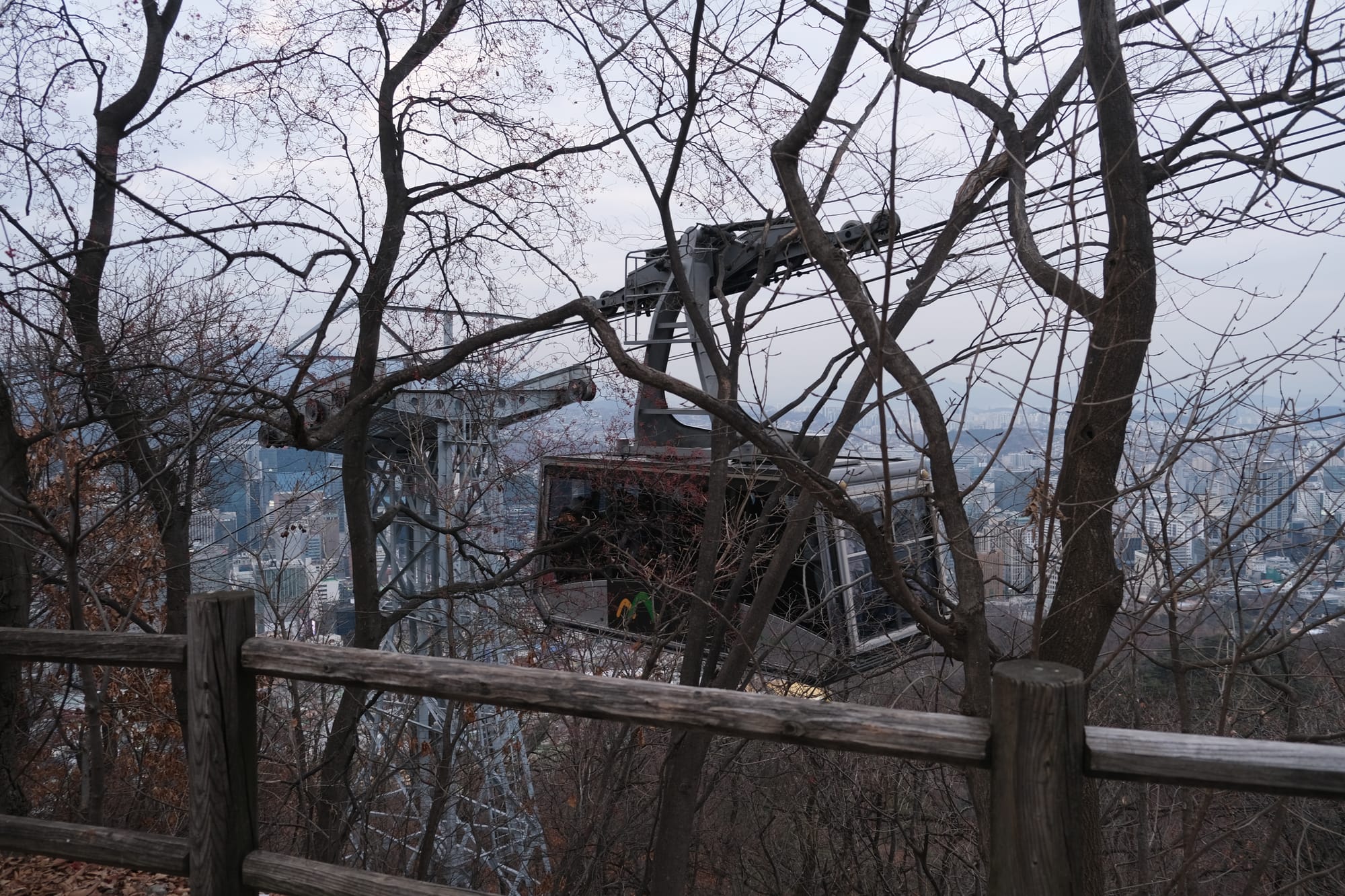
We followed this path on the mountain ridge to a lookout, along the path we saw the cable car going past.
To get to the N Seoul Tower you can walk, drive, or take the cable car which I think is the coolest option and the one we used.
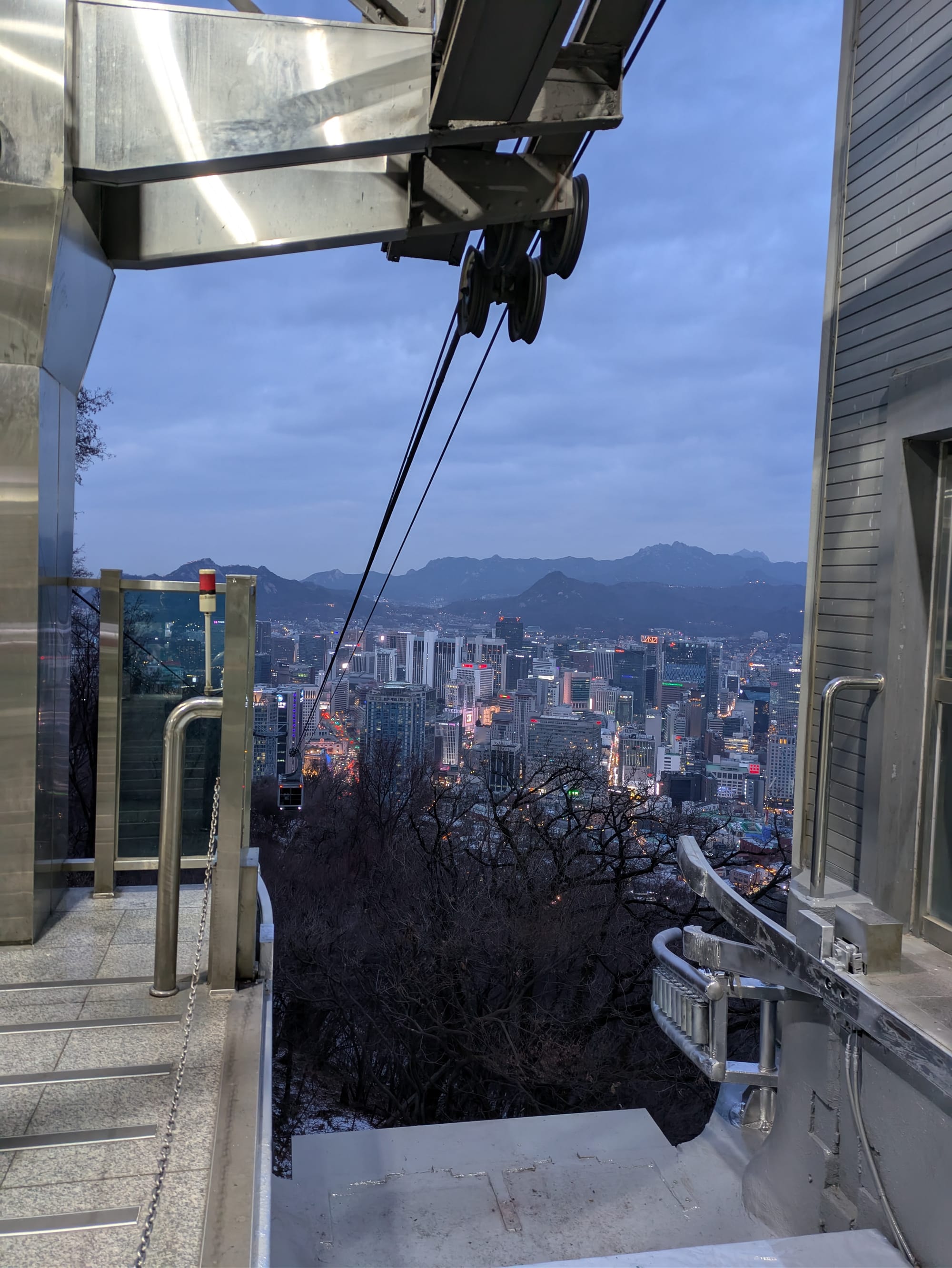
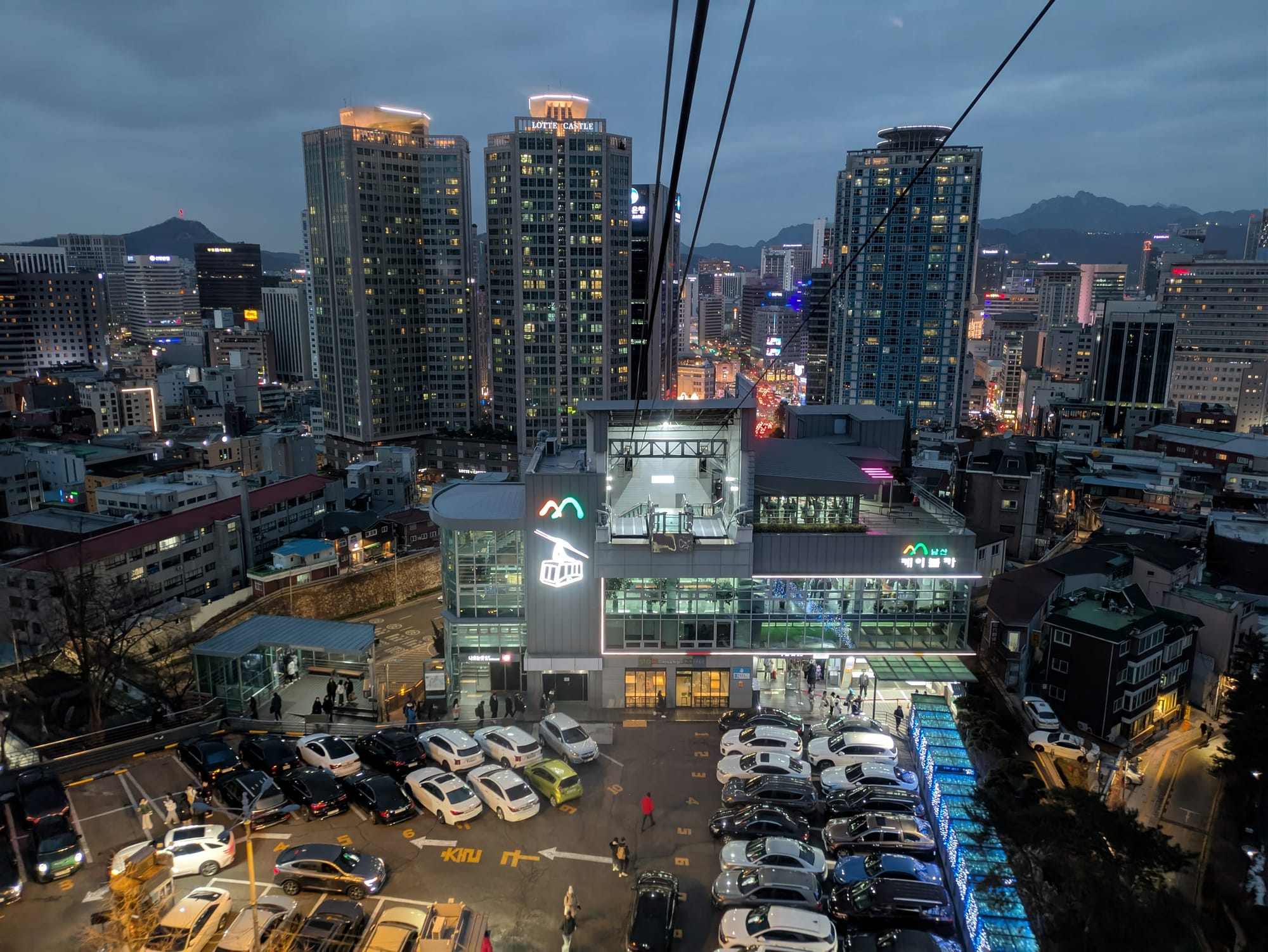
The sun had set by the time we descended the cable car to the base station.
Dongdaemun Design Plaza
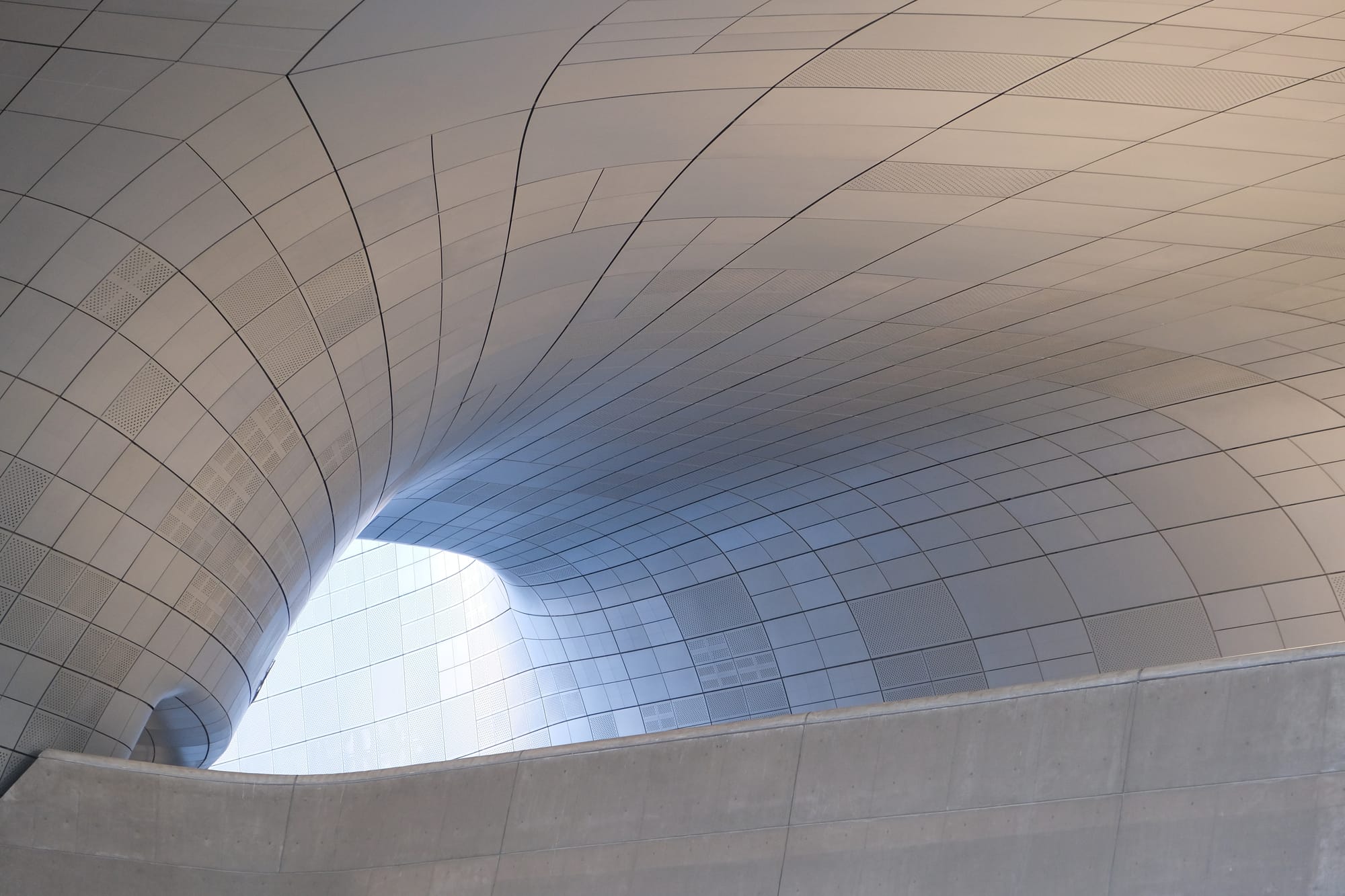
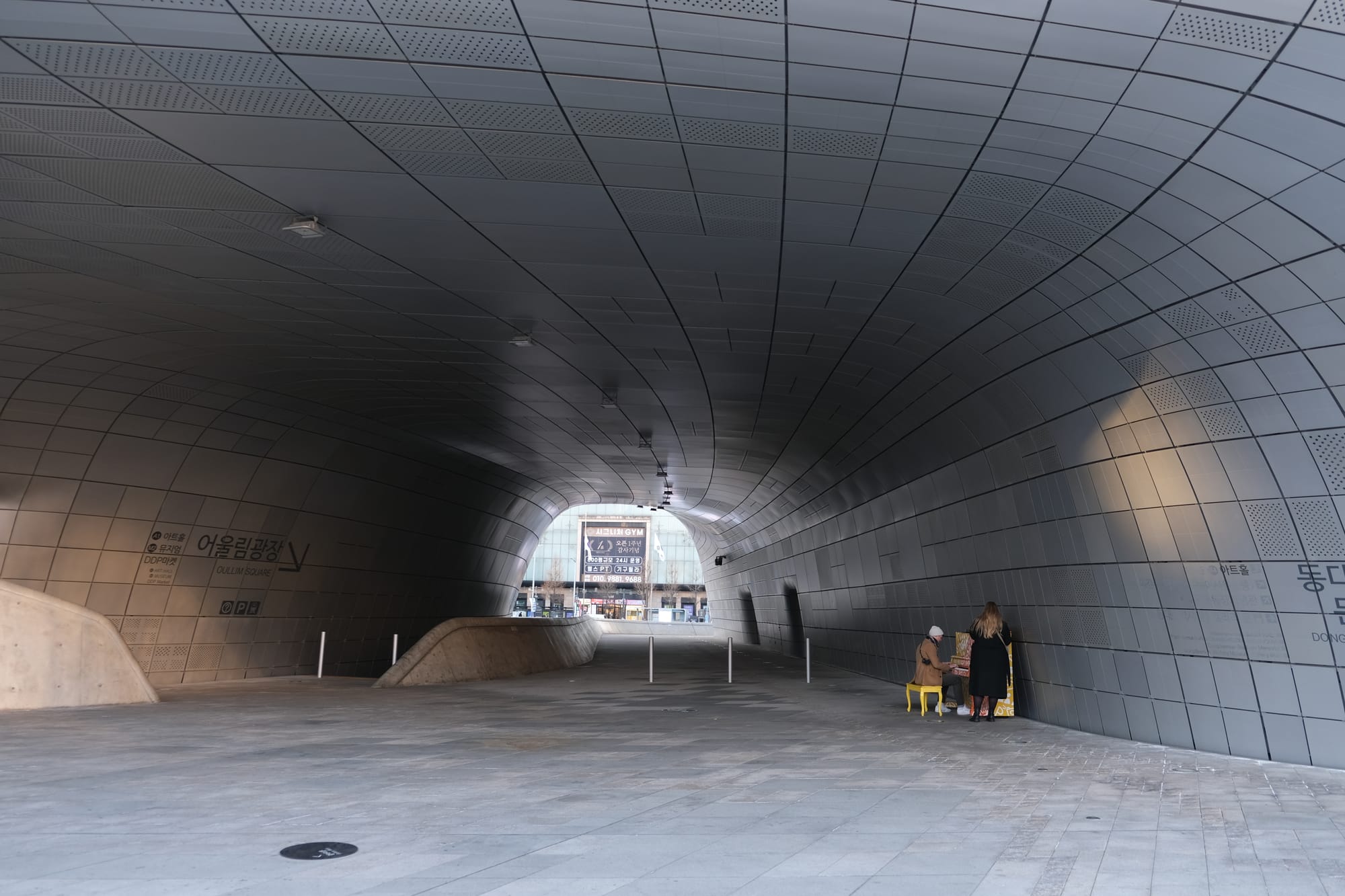
Dongdaemun Design Plaza is an art exhibition centre that was designed to not have any straight surfaces or hard angles. Every surface is curved, and it was built in such a way to not disturb the archaeological ruins present on the property. On our final day in Seoul we had just enough time to visit the building before the sun set. We didn't visit the exhibitions themselves (except for the free one in the main corridor) but mostly just walked around admiring the architecture. It certainly is one of the most unique buildings I have ever seen and makes an excellent host for all things design related.
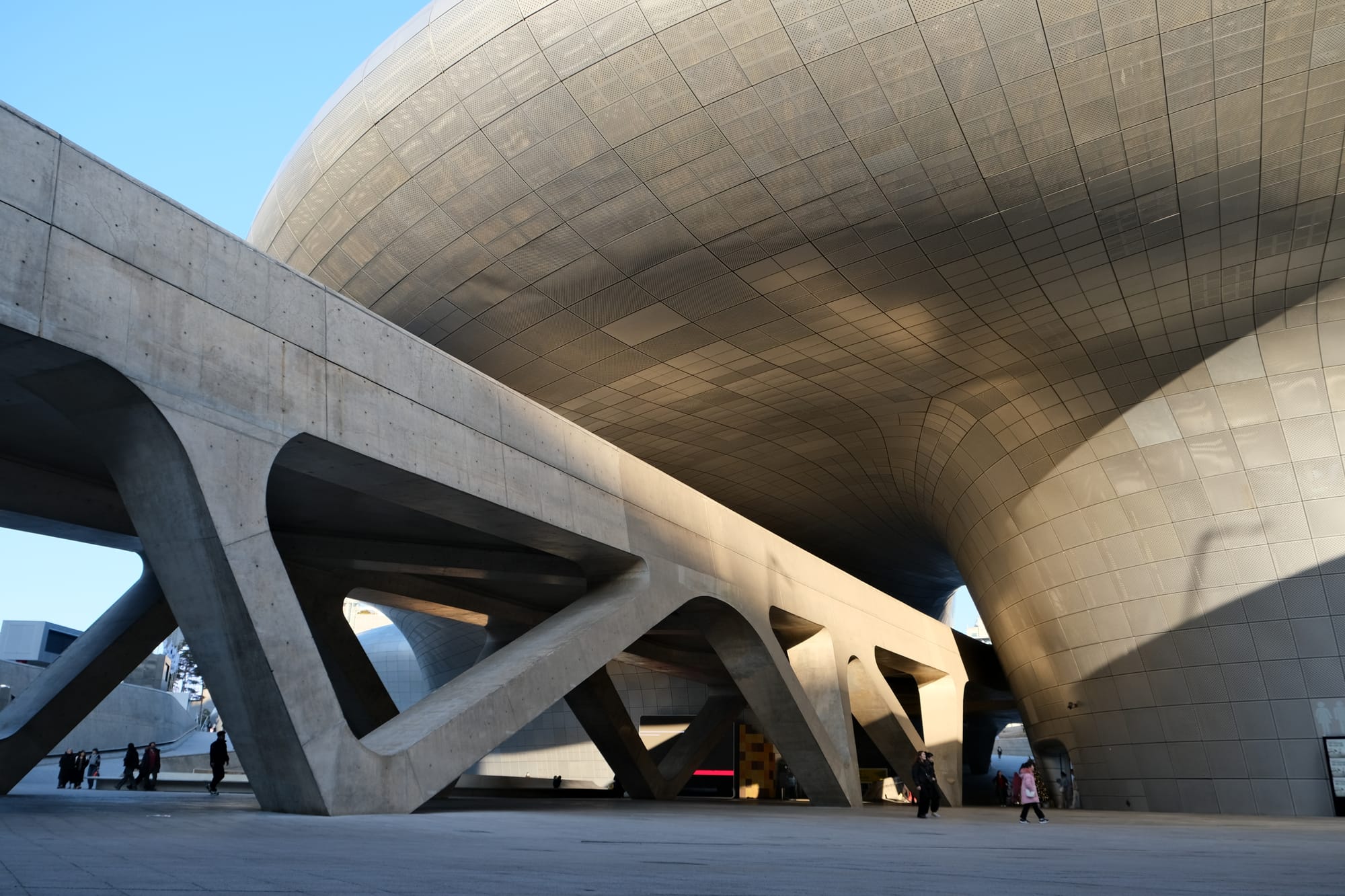
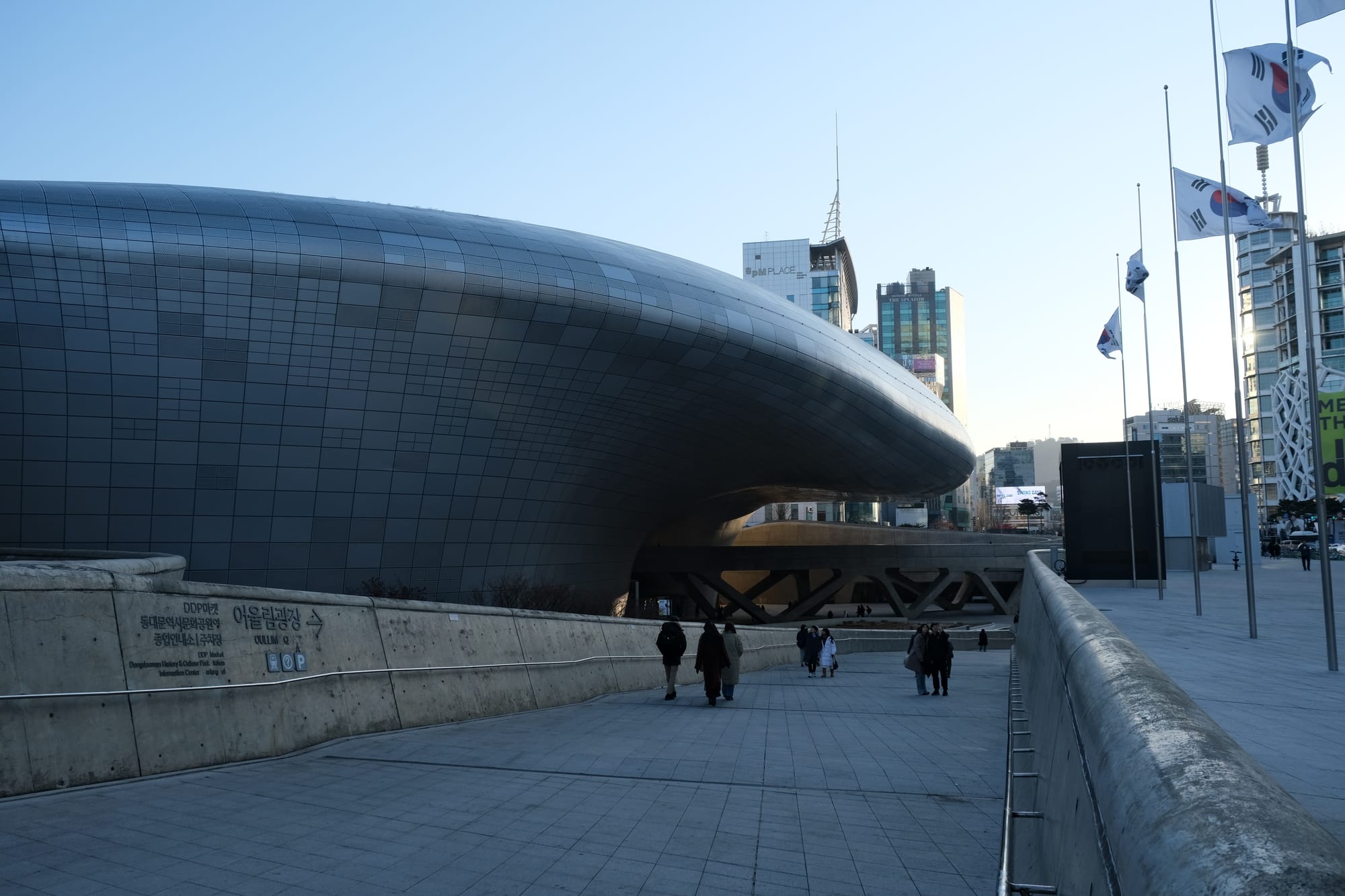
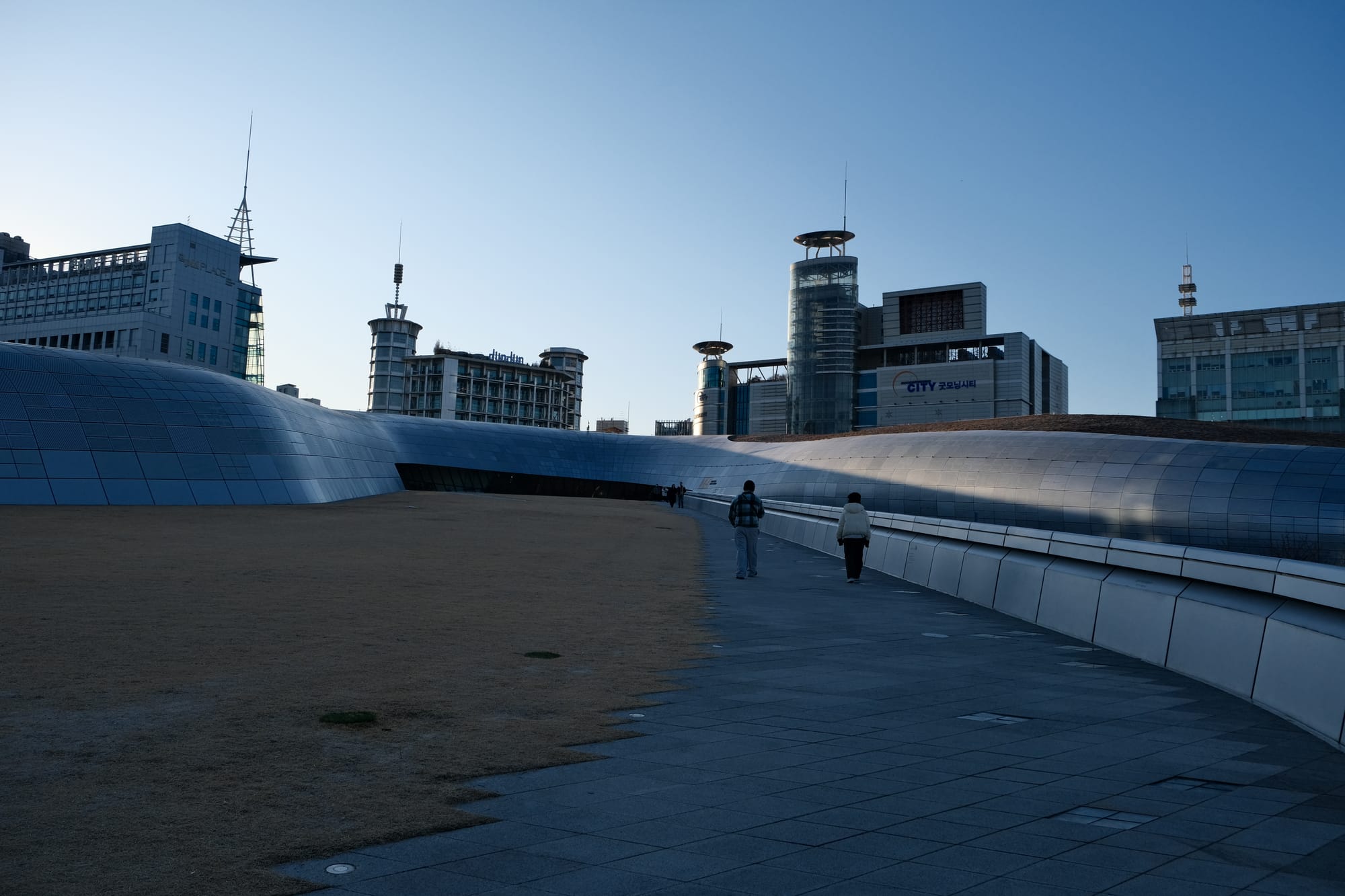
Some photos of Dongdaemun Design Plaza as seen from a few different angles.
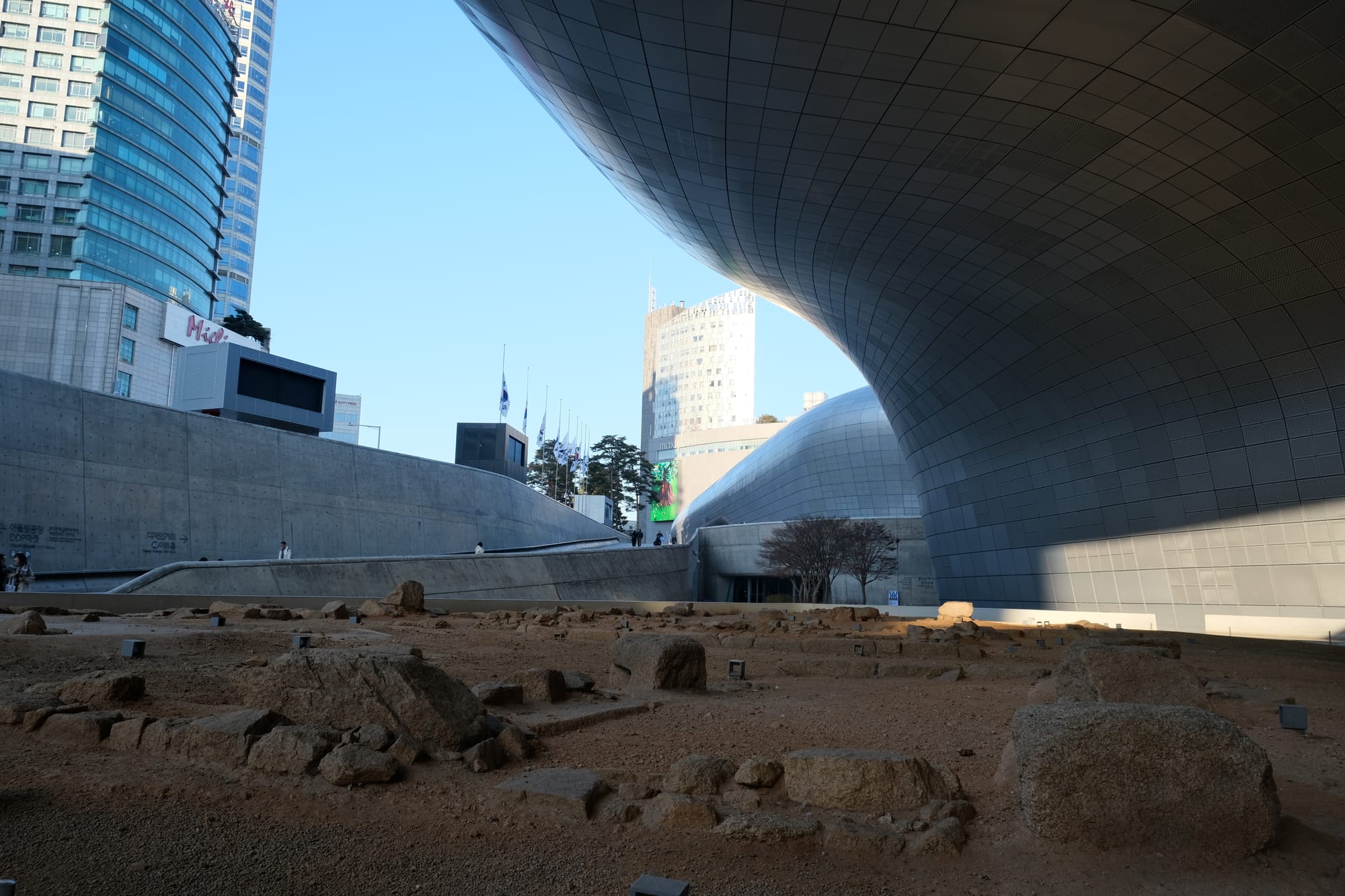
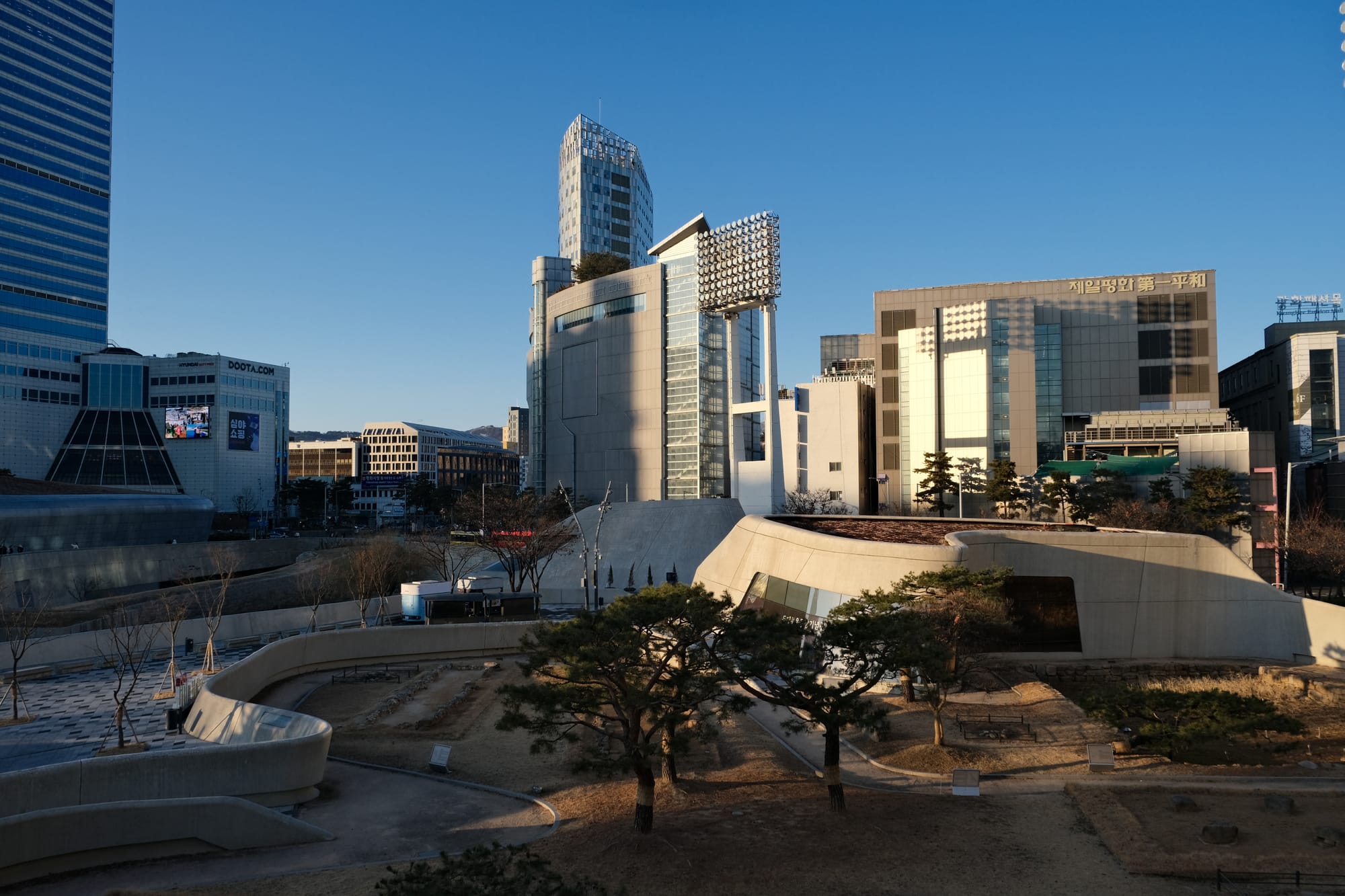
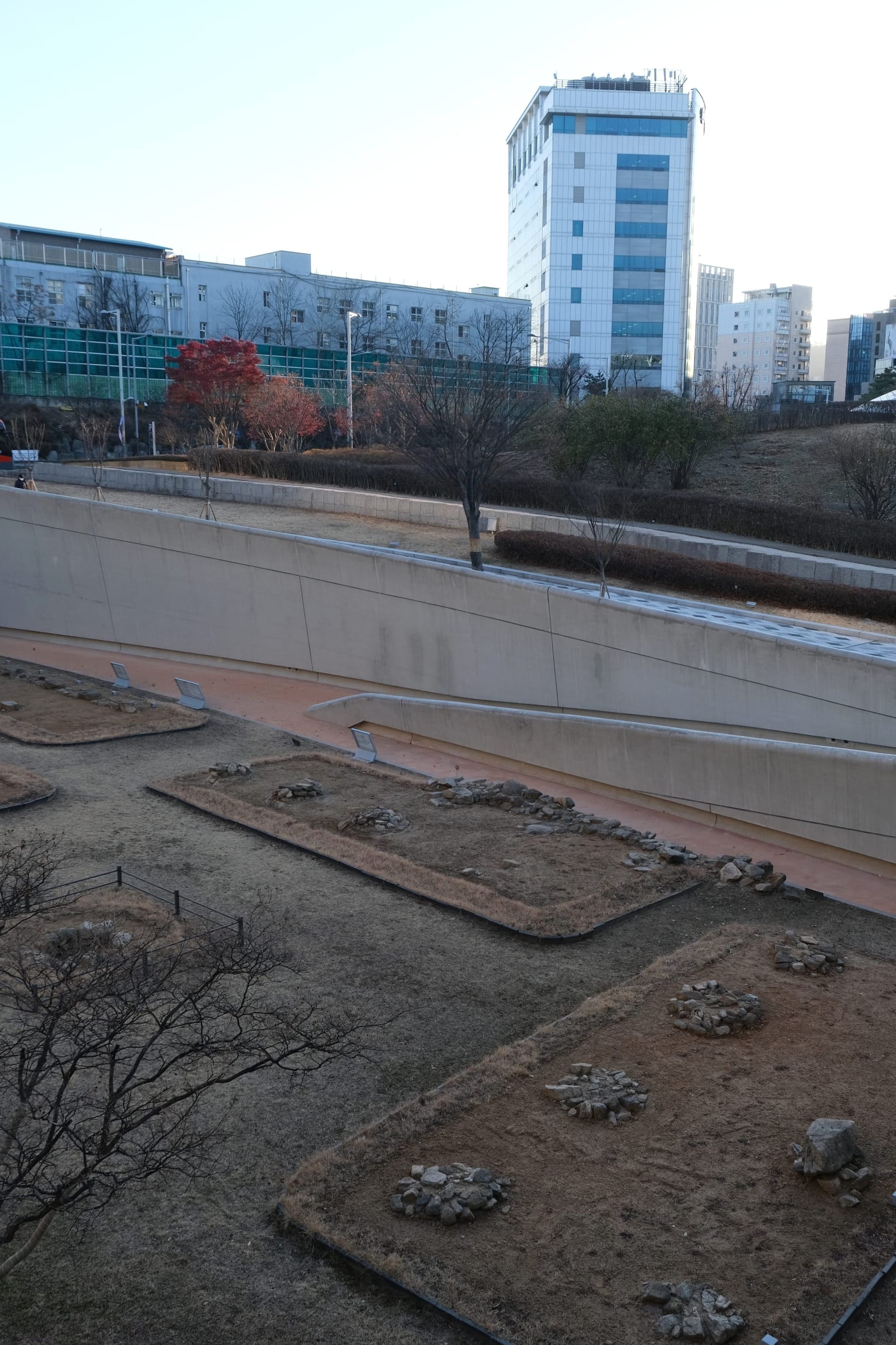
Some areas of the park, situated around the building, displayed the ruined foundations of ancient structures discovered on the site.
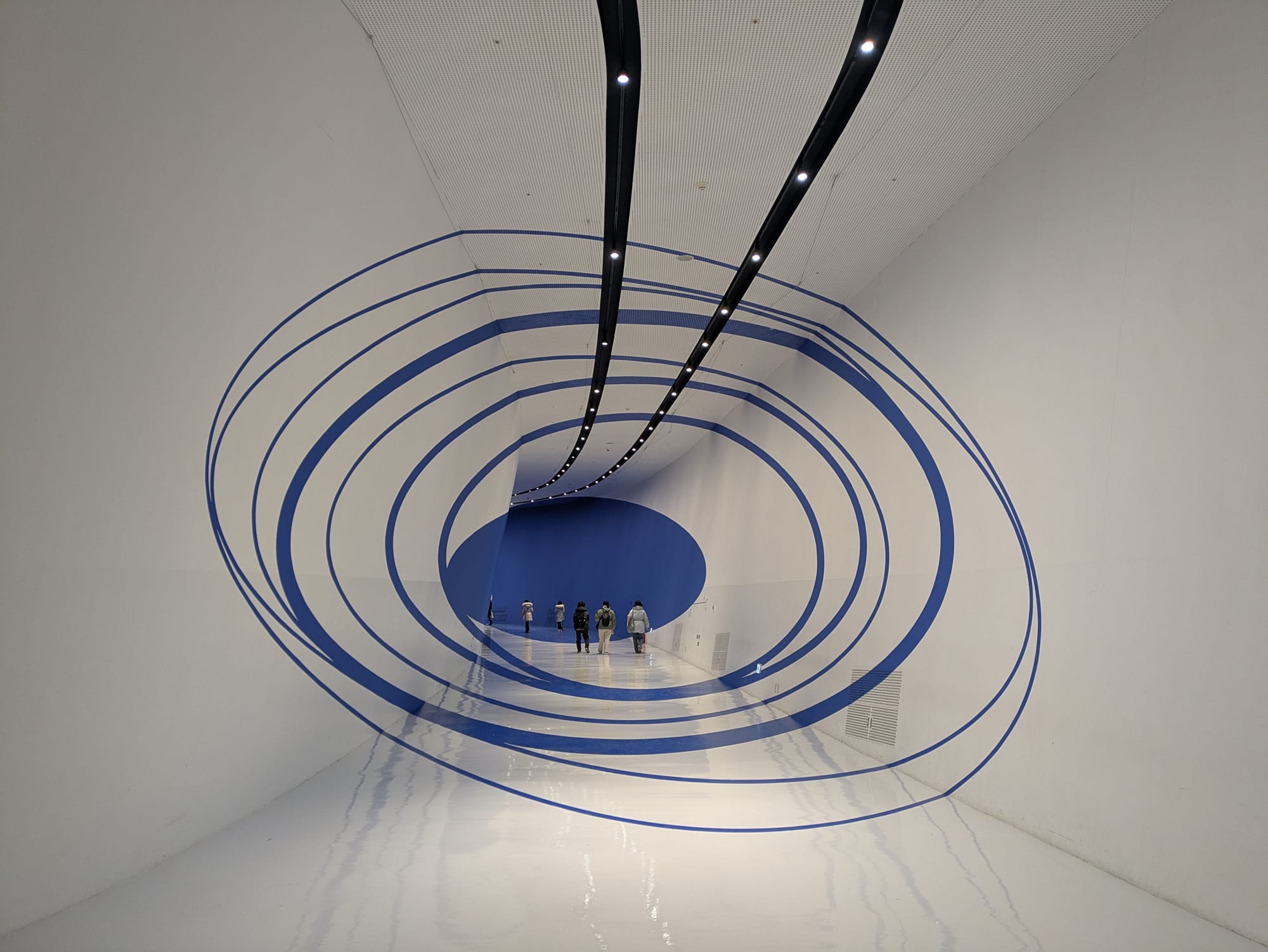
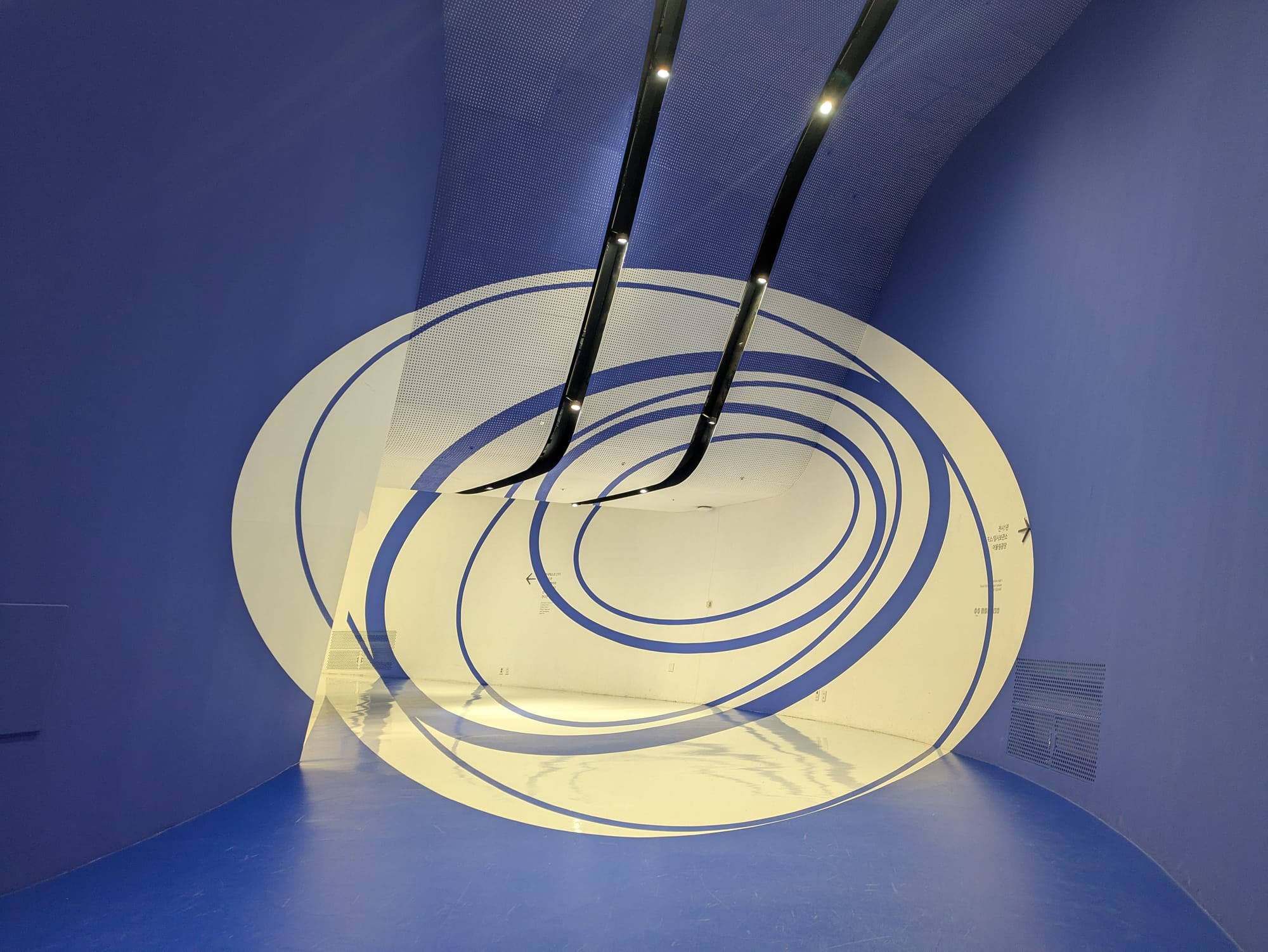
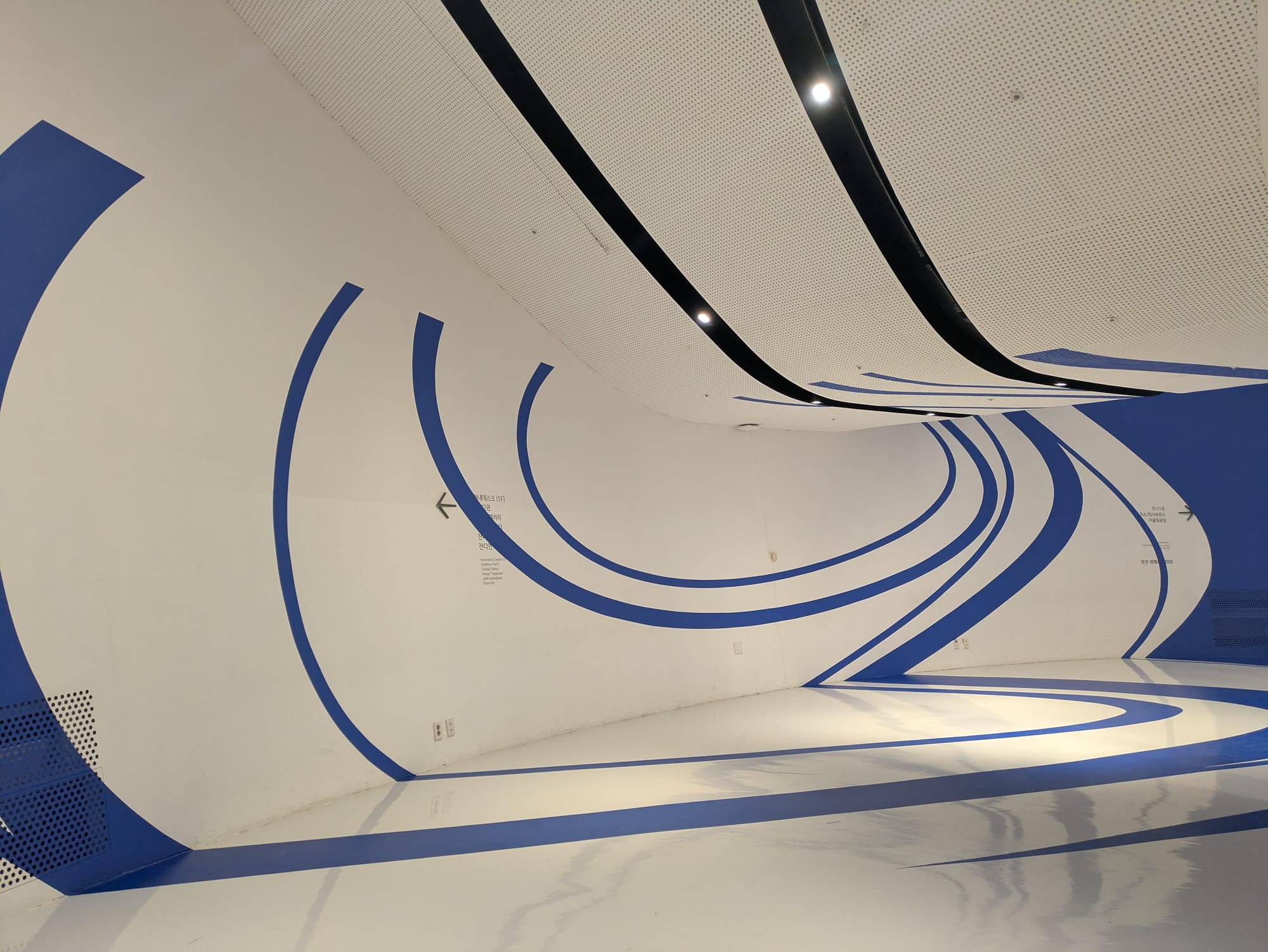
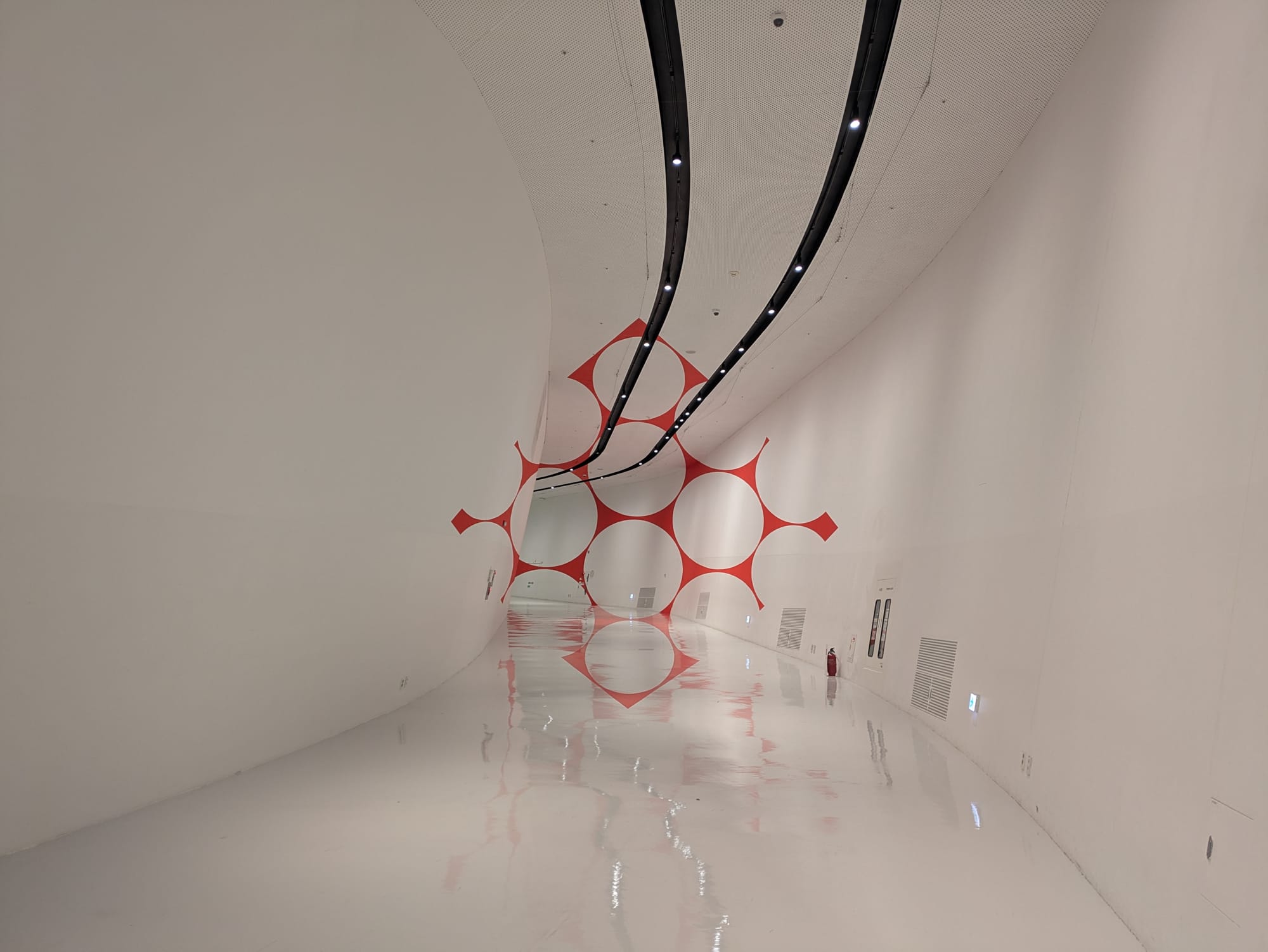
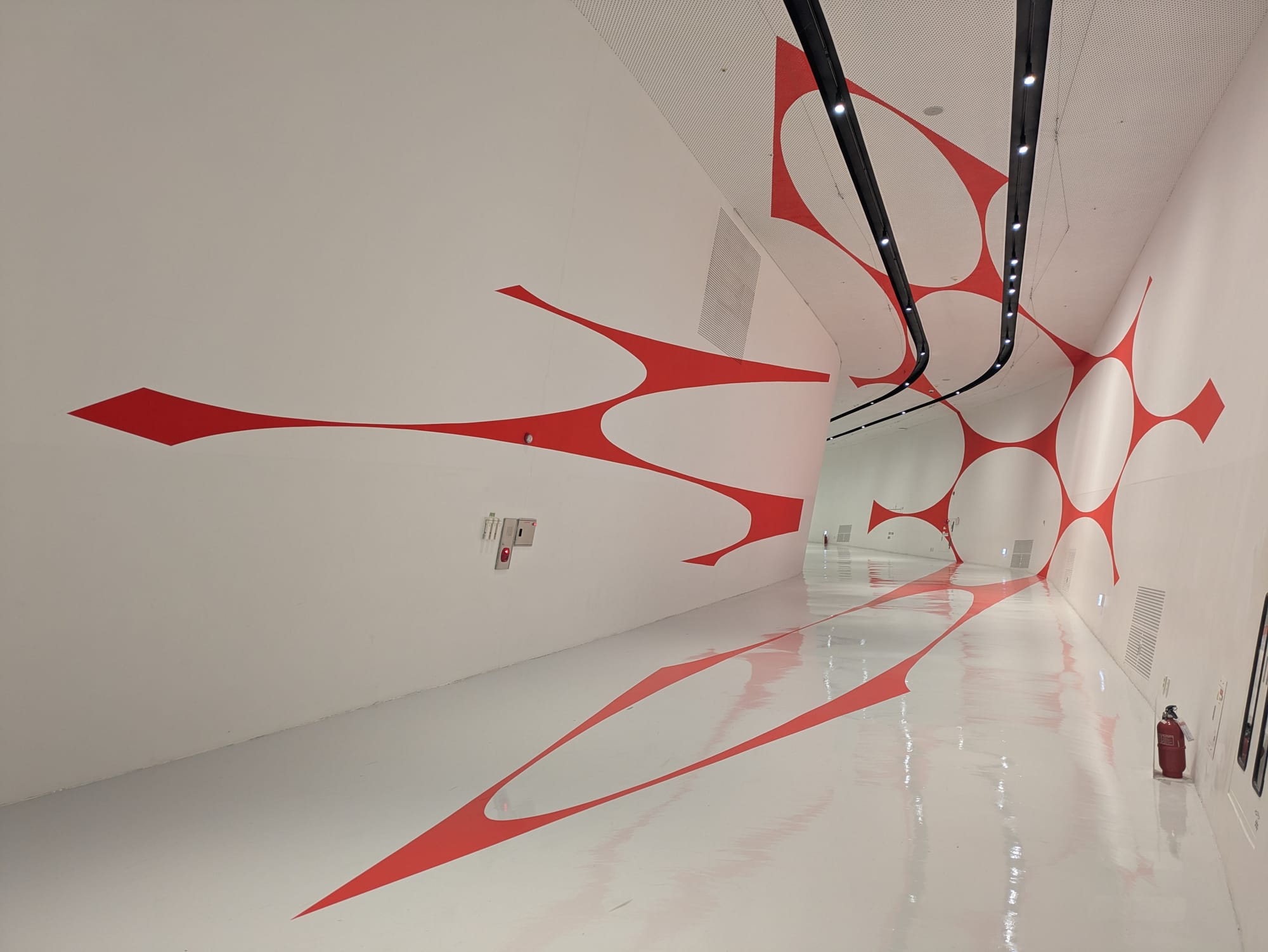
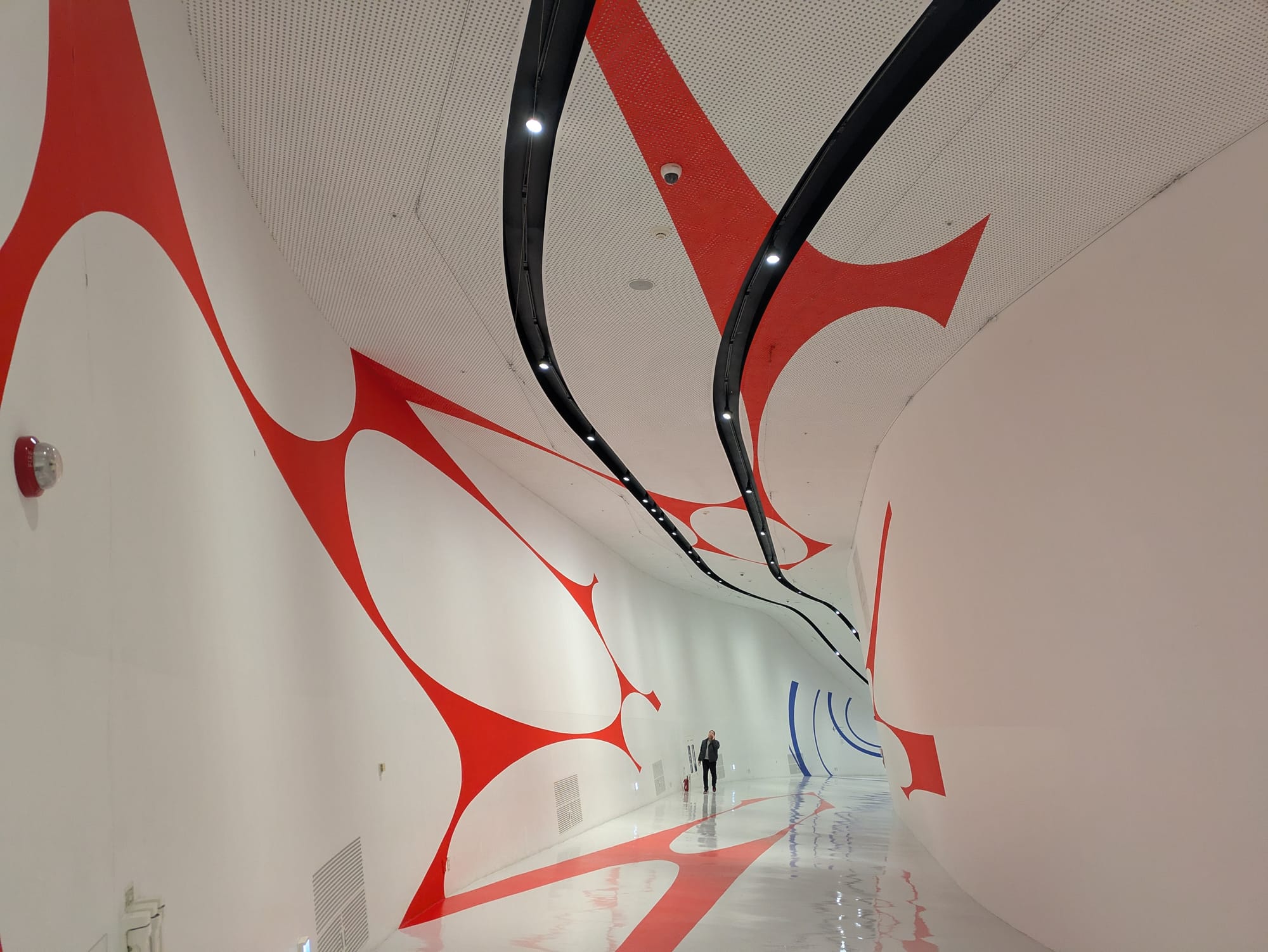
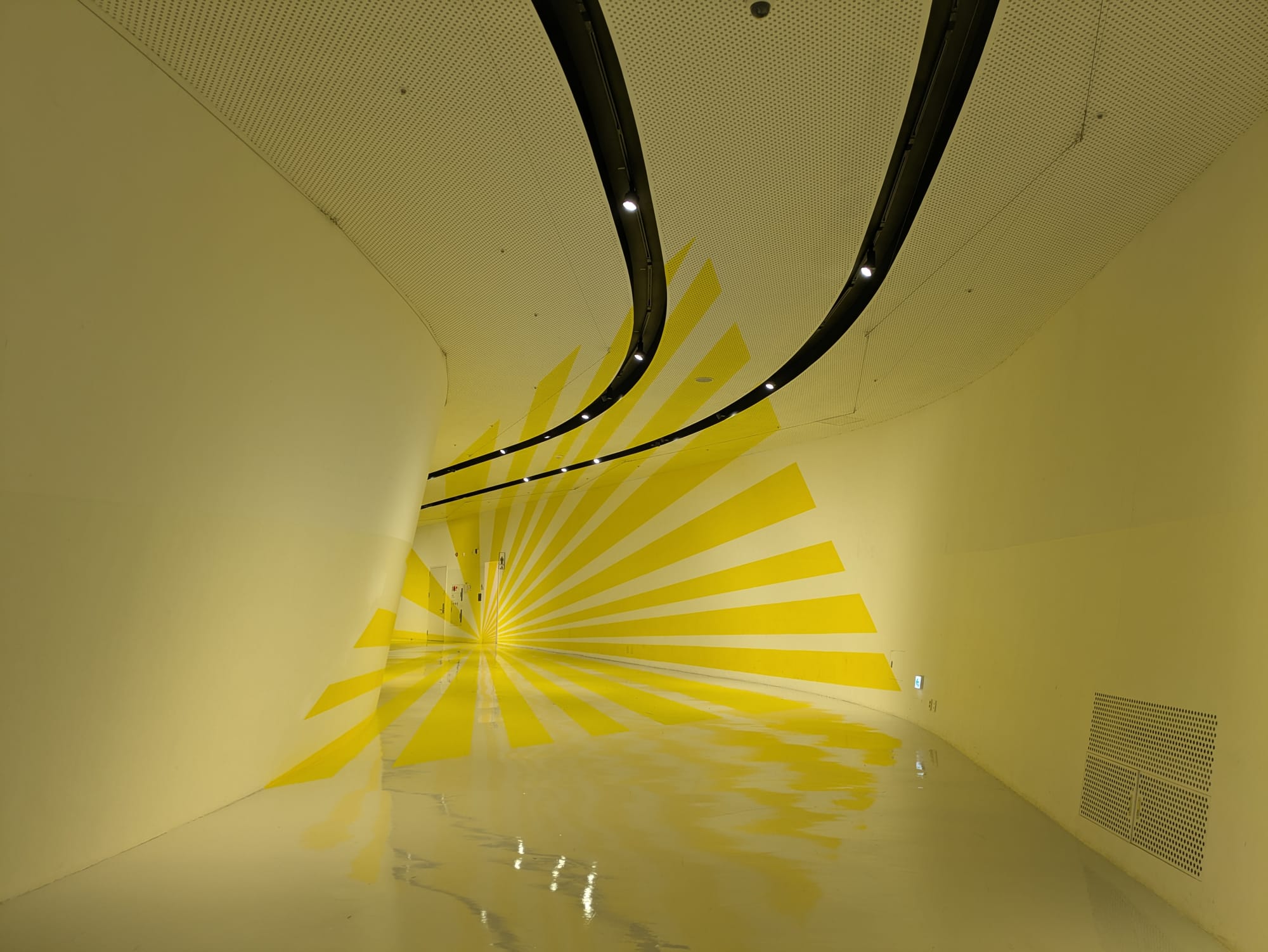
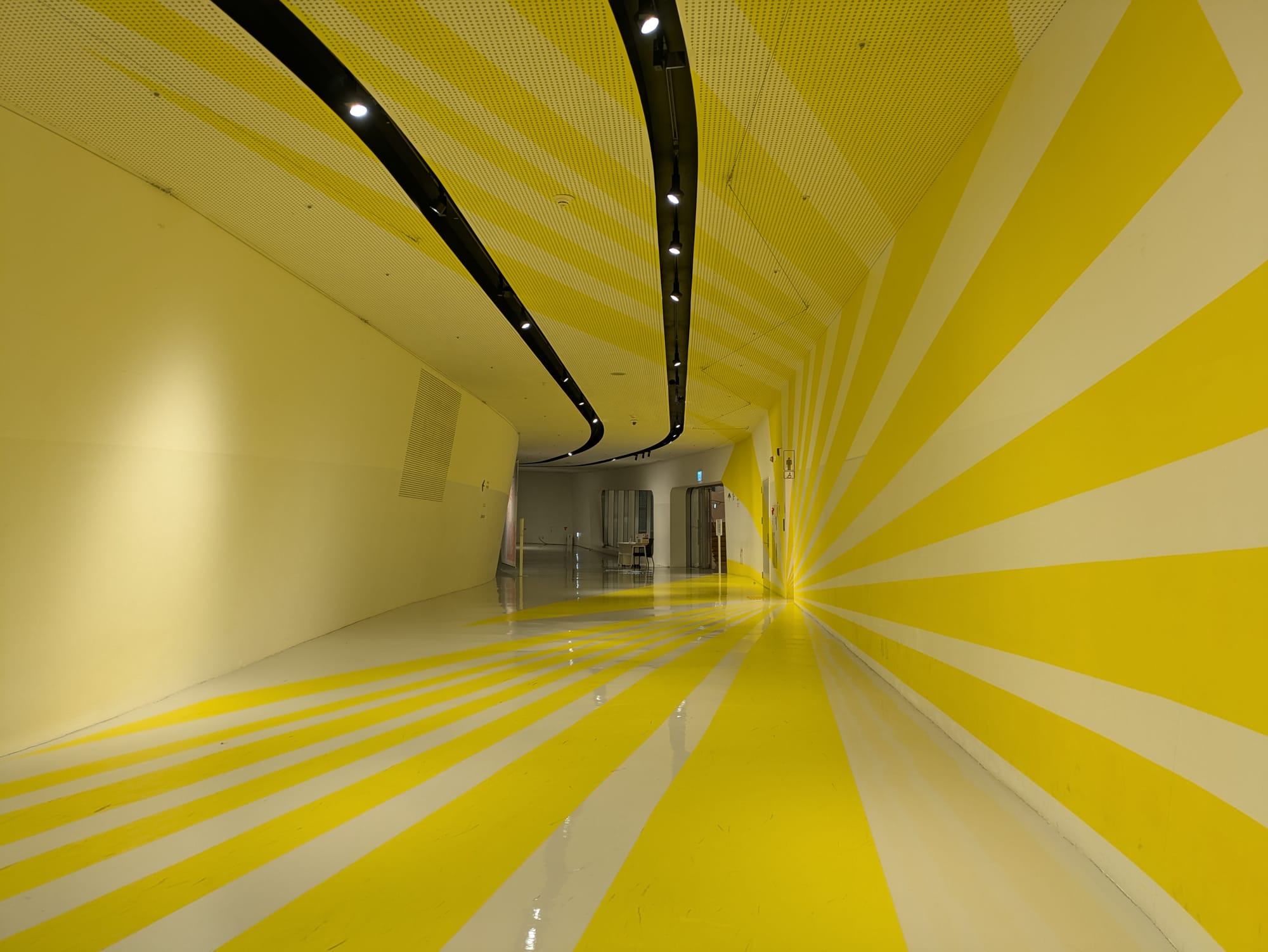
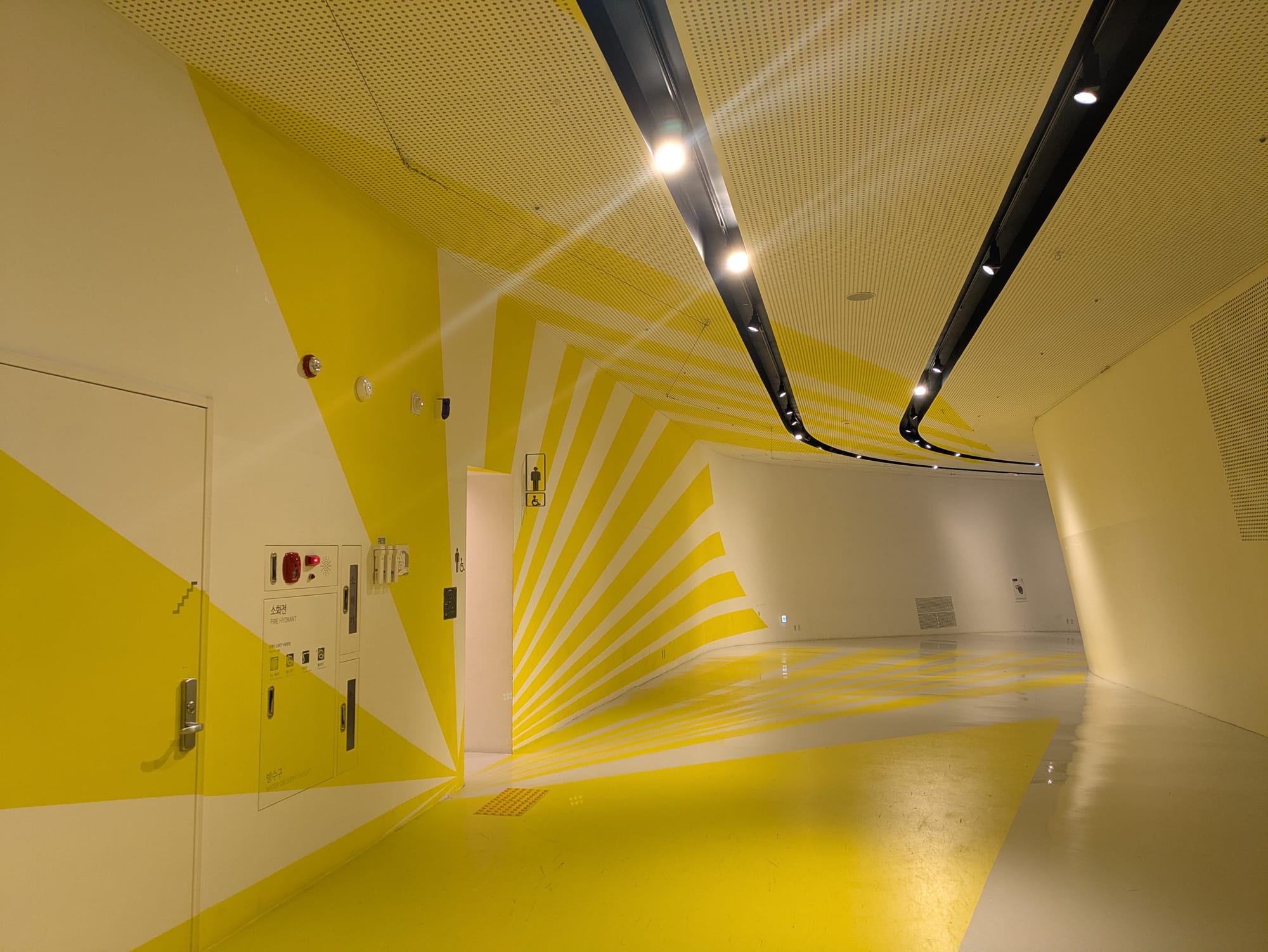
The interior of the building was no less unusual, with a central spiraling corridor that was decorated with perspective art pieces that filled the space.
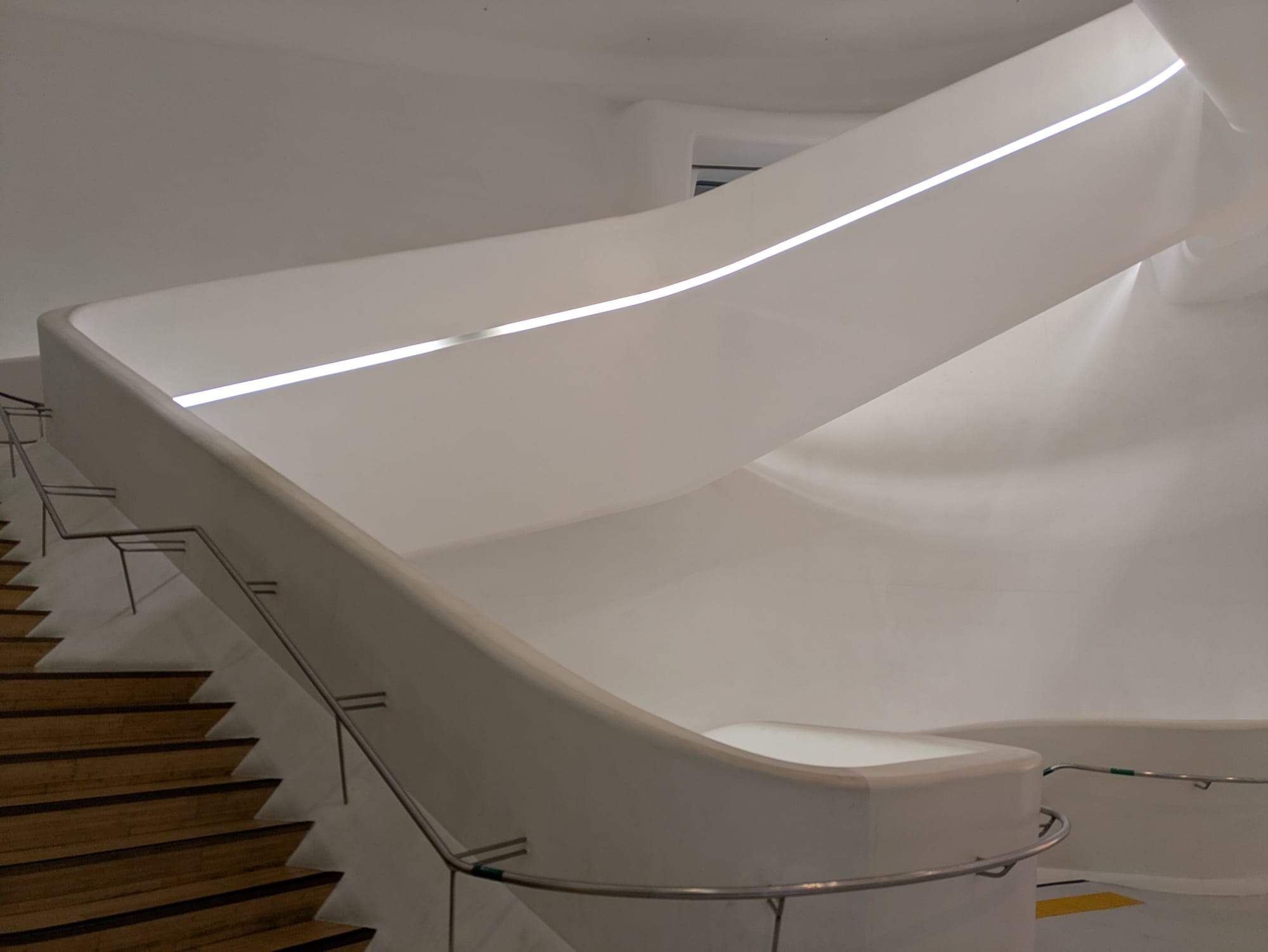
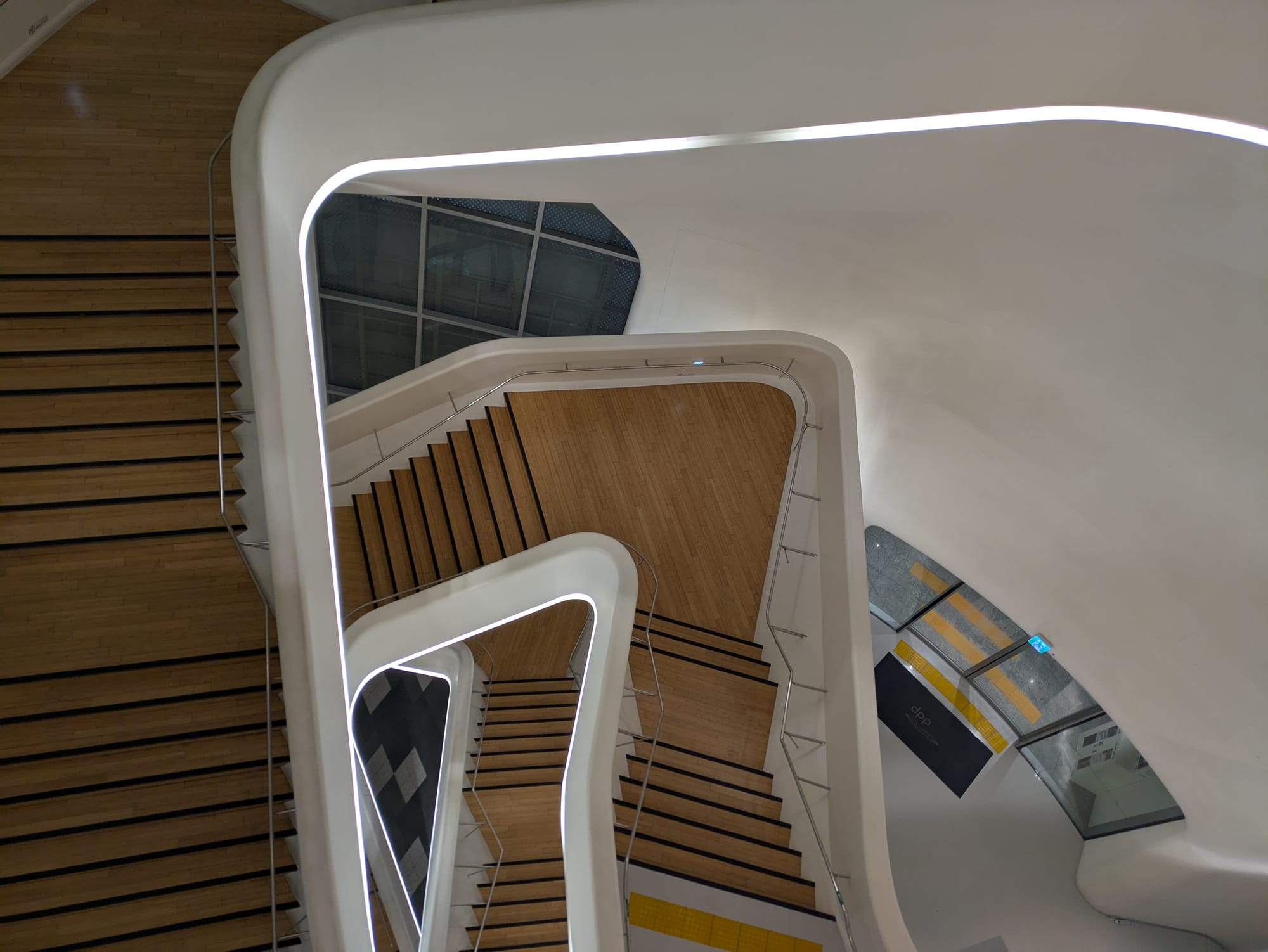
Even the stair case was almost an art piece unto itself.
As the 4th largest metropolitan area in the world, Seoul was certainly huge but we never really had much of an issue getting around. The metro system was really good, the trains were longer than any other metro trains I had seen, and could accommodate a large number of people. Once we exited a metro stop we never had to walk far to get to our destination. All the streets were clean, and there wasn't much air pollution.
However, what did affect me was the cold. Going from cool (but comparatively warm) Taipei weather to the freezing cold of Seoul was jarring. The city and landscape was affected by the cold, the deciduous trees were bare and much of the vegetation (shrubs and grasses) was brown as if dead from the wintry cold. By the second full day in Seoul I was feeling a little sick, and I would continue feeling a bit sick for the rest of my time in South Korea. But I tried not to let it dampen my mood too much, I tried my best to enjoy both Seoul and the day trips we had planned out of the city. I ended up buying a thick down jacket here to provide an extra layer of warmth to fight the cold.
The food in South Korea was also a bit of a challenge as most meals included meat. We managed however to find some vegetarian options. There was one cafe chain called Ediya that I liked mostly because its name was similar to mine.
Finally, I was here in Seoul for new years eve. I was still feeling unwell and we rested in the early evening. At midnight on Australian time we had a call with Mum to celebrate new years then. I stayed in the hotel room, watching the fire works online from my laptop, as I was too unwell, and too tired, to go to any celebrations in person. While a simple new years celebration, it was still the end of my first calendar year of traveling, with about seven months of 2024 spent overseas.
Thanks for reading – Edward
Written 13th of September 2025