Tainan
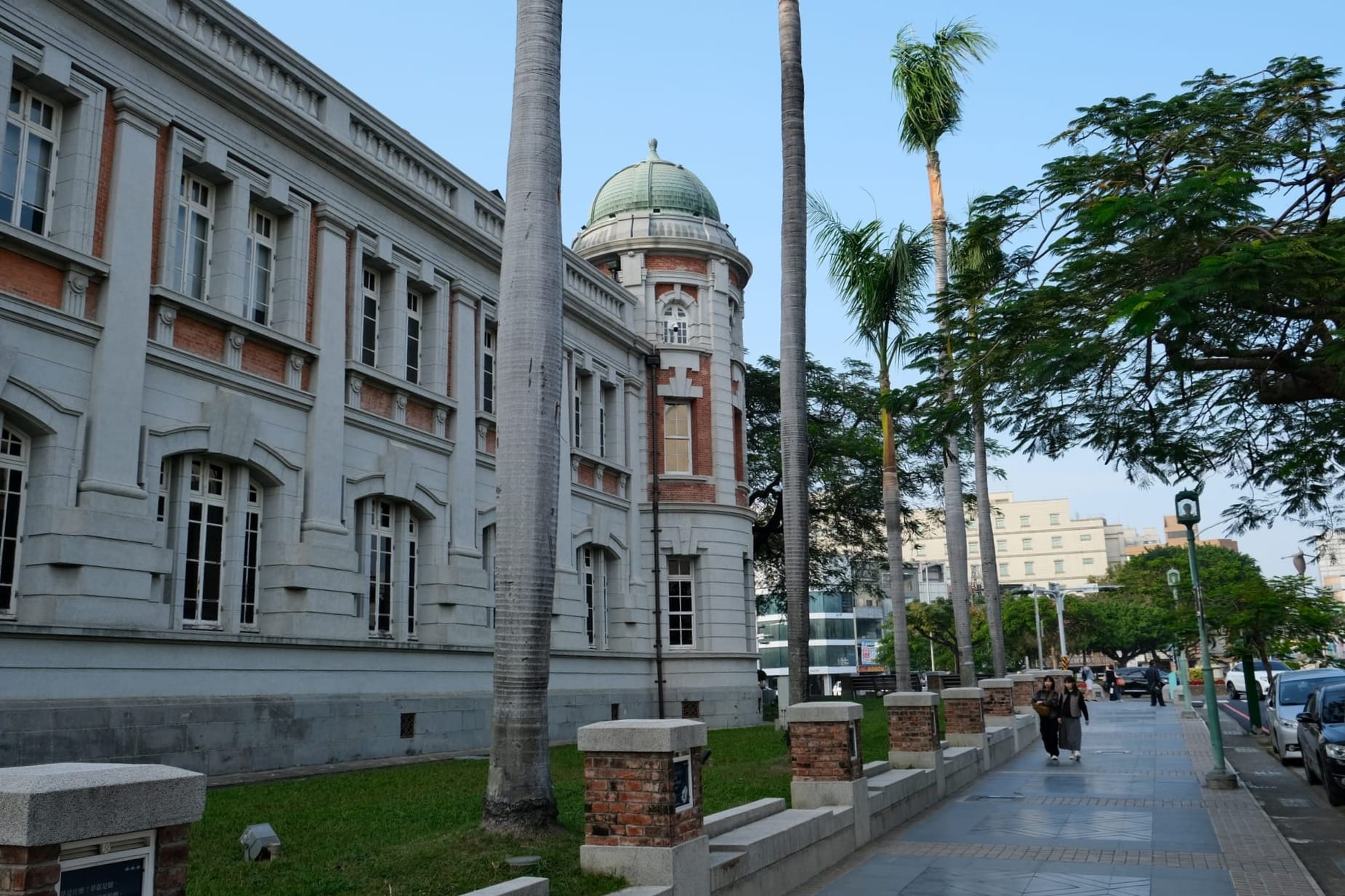
Tainan used to be the old capital of Taiwan back when the Dutch, and then the Chinese, ruled the island. As such it is an old city with huge cultural significance to the island and it is seeping with history. It has many temples, a couple of old forts, many historical buildings, and some wonderful museums.
I spent four days in Tainan. I originally thought this would have been enough but there is so much to see I could only tick of about half of the items on my list. On this trip I prioritized historical sites as that is what I found most interesting. I joined a walking tour, visited a couple of old forts, some temples, as well as the National Museum of Taiwan History. I learned so much from my time here, especially from the museum (I spent a whole day there), and this helped me to further my understanding of Taiwan.
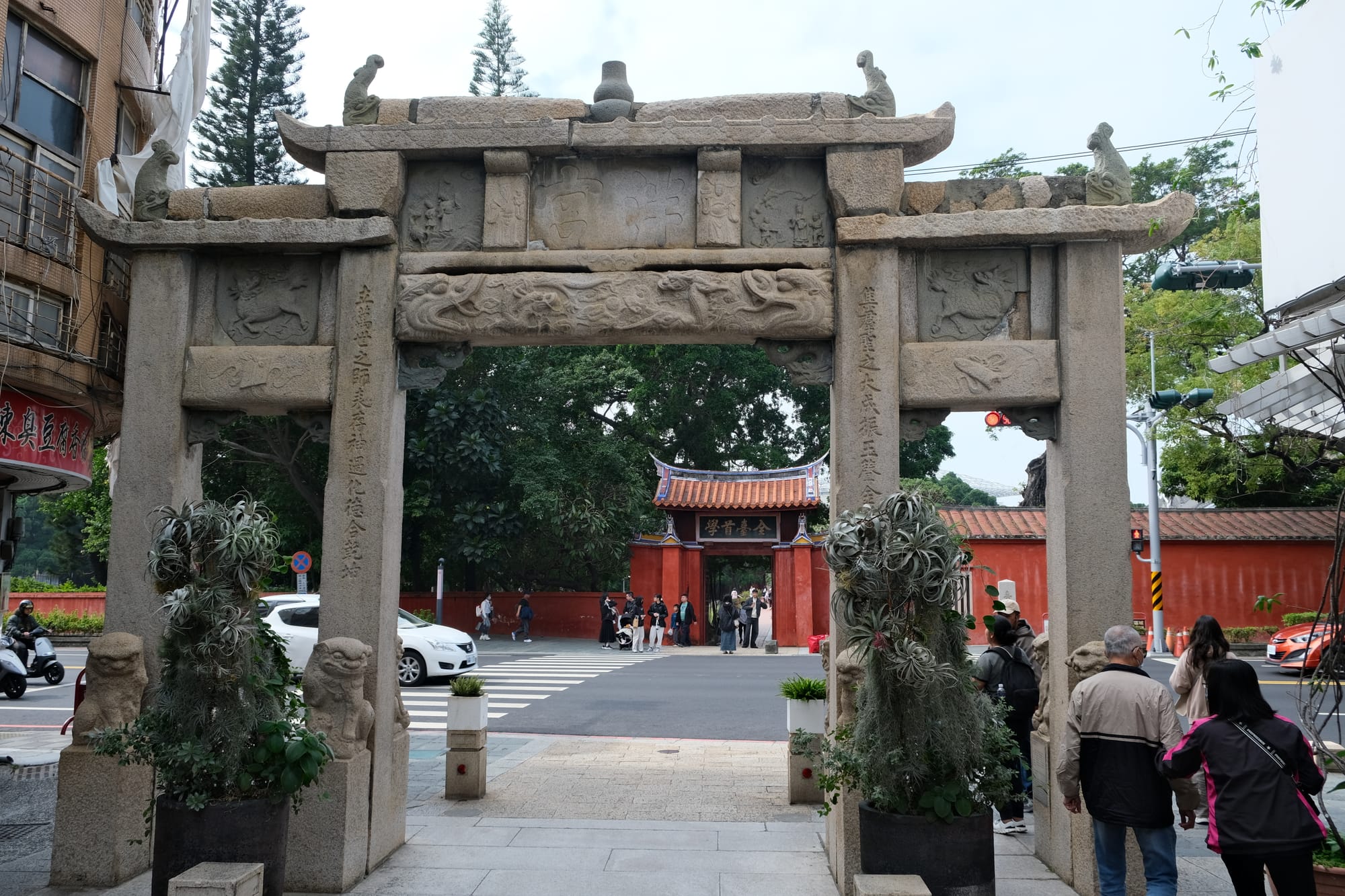
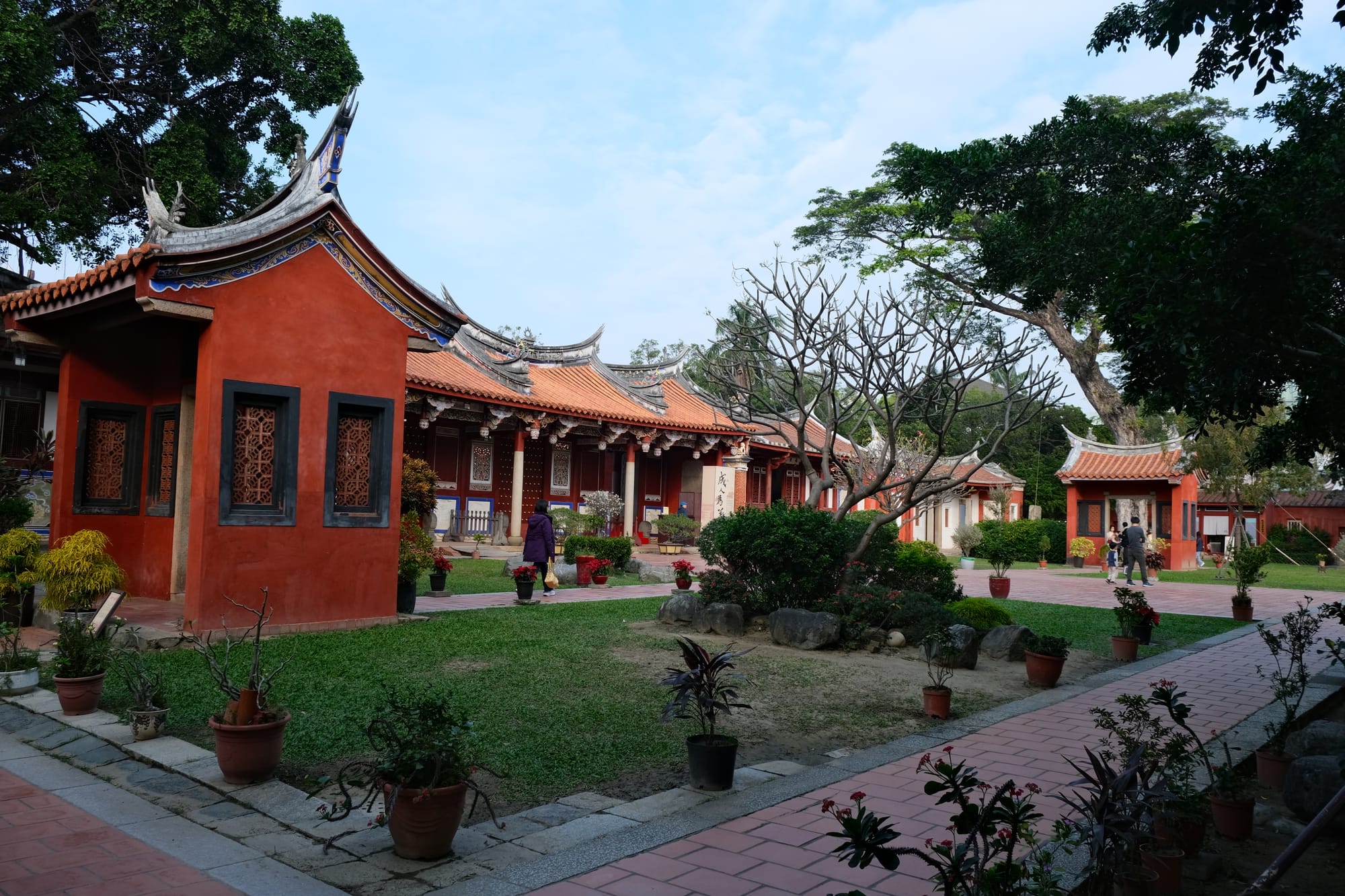
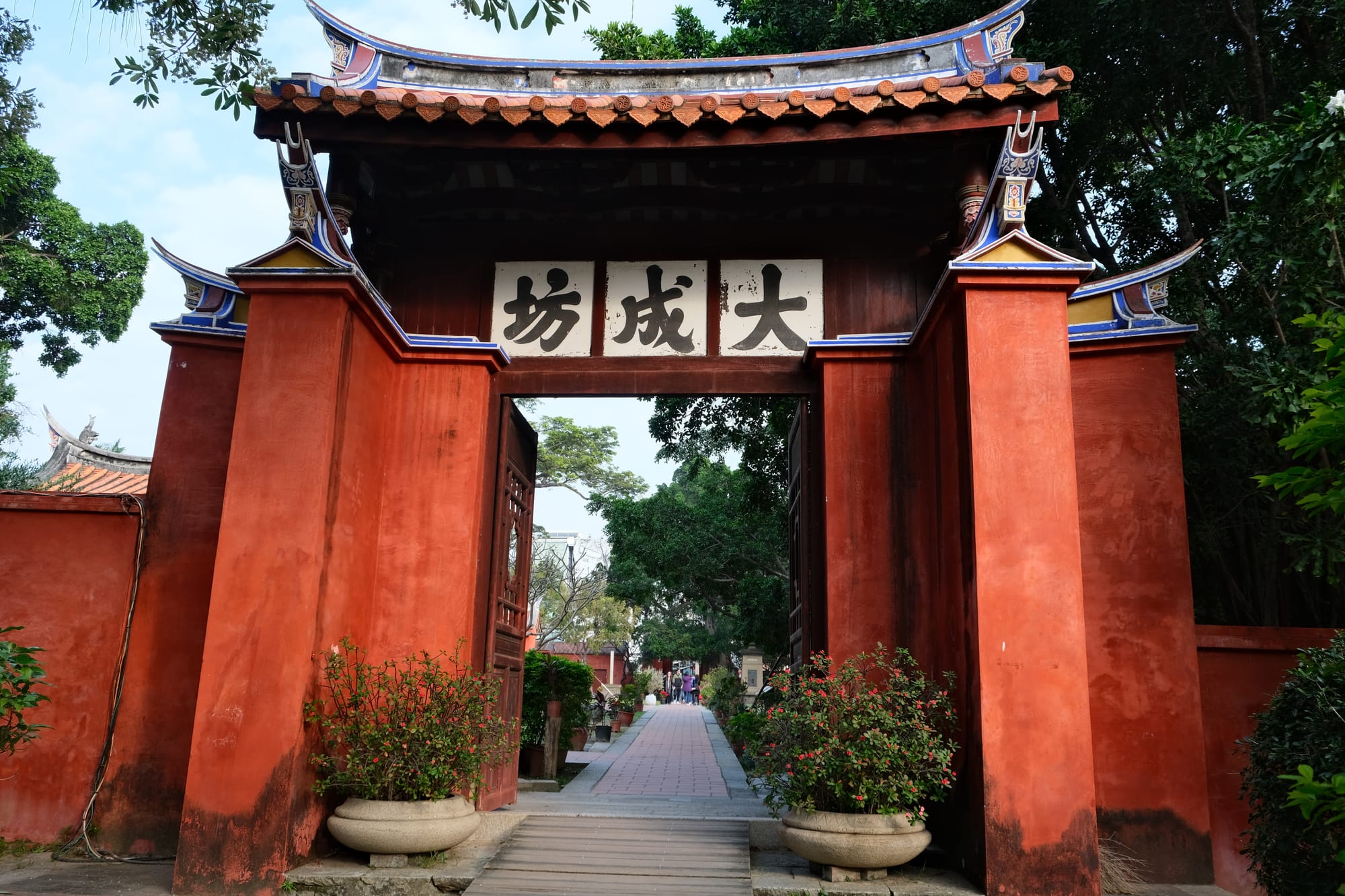
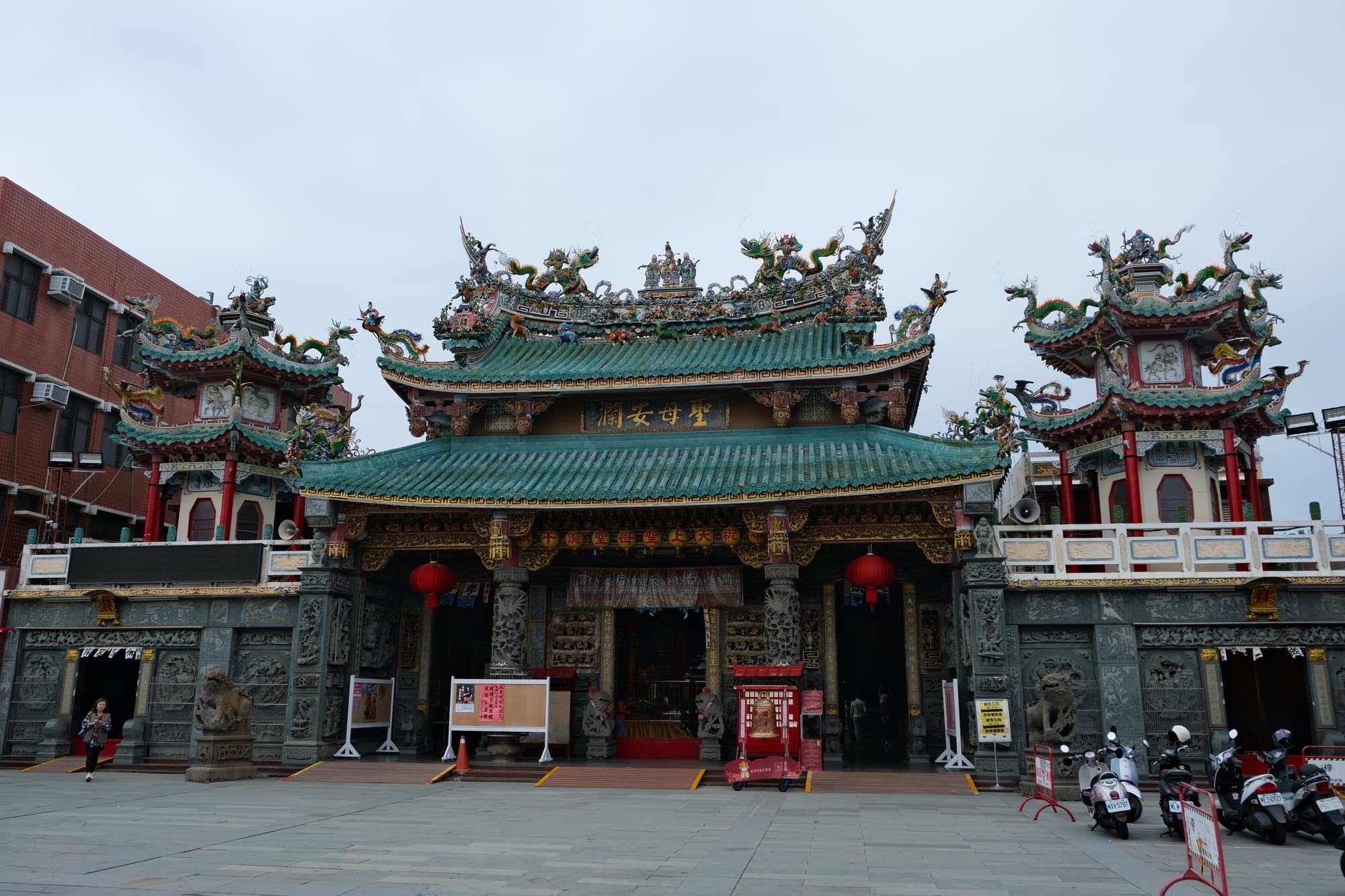
The Tainan Confucius Temple. This temple was located across the street from my hostel, I often walked passed its red walls and stone gate.
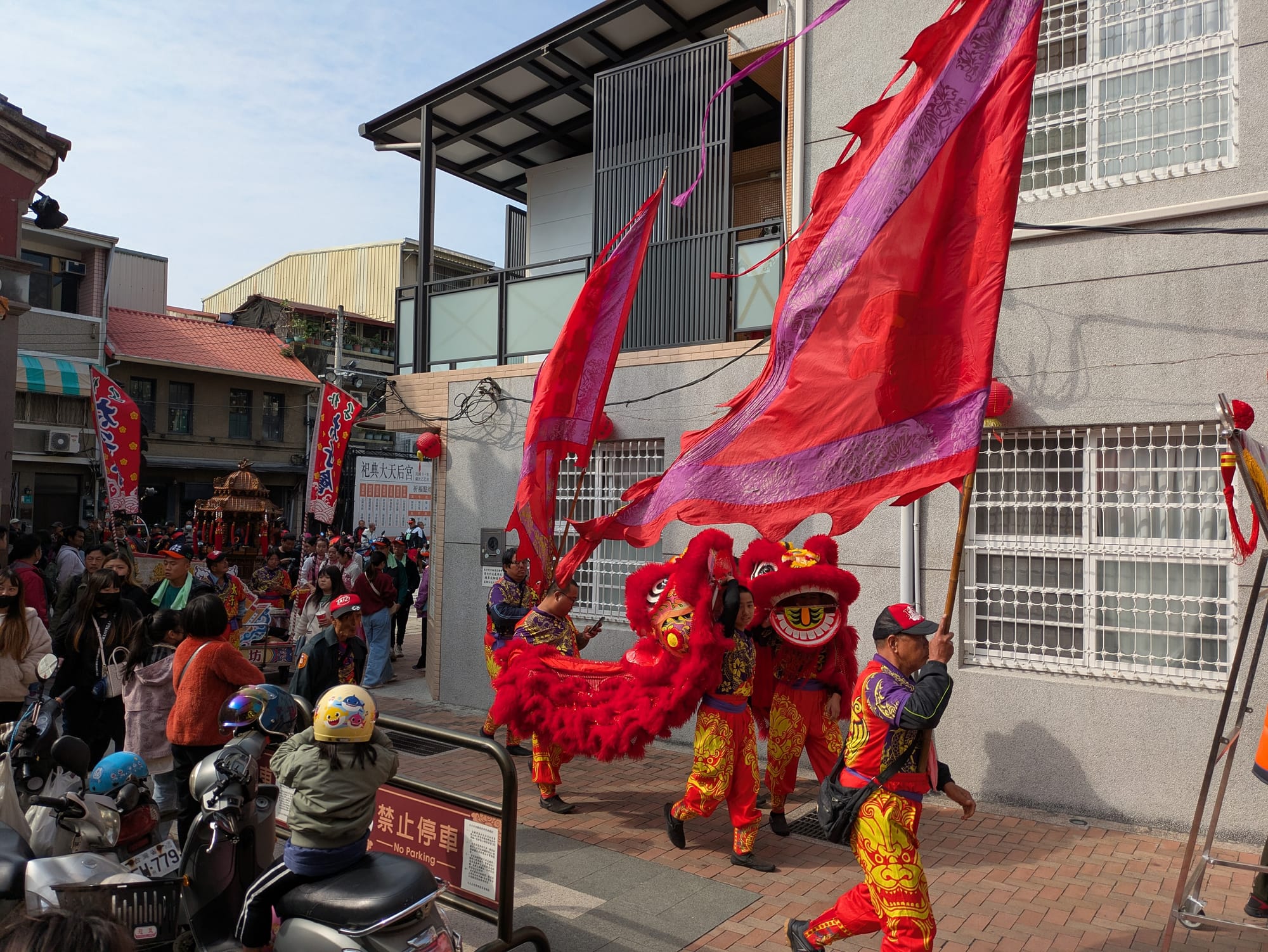
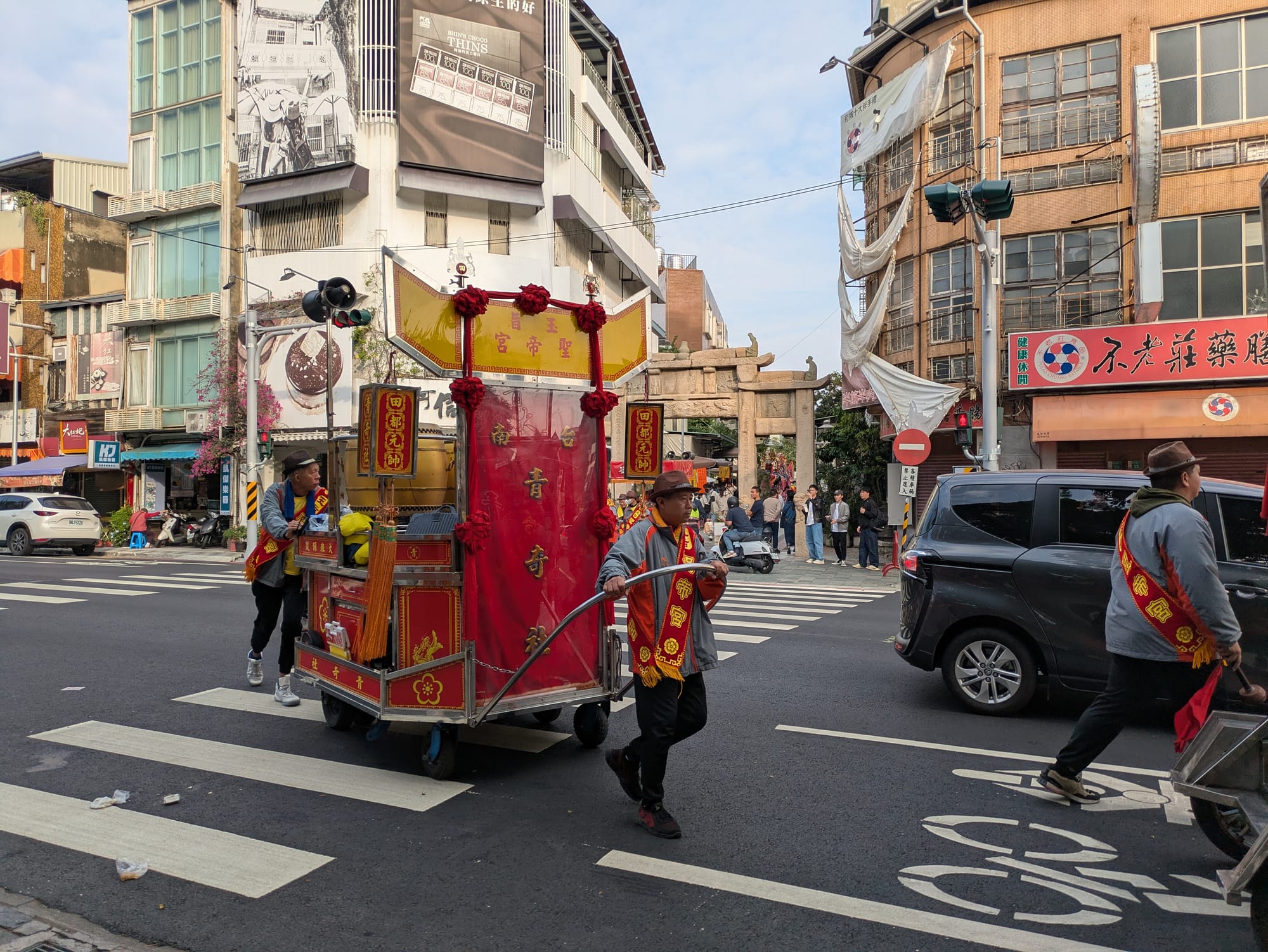
More than once I saw these parades making their way through the streets of Tainan.
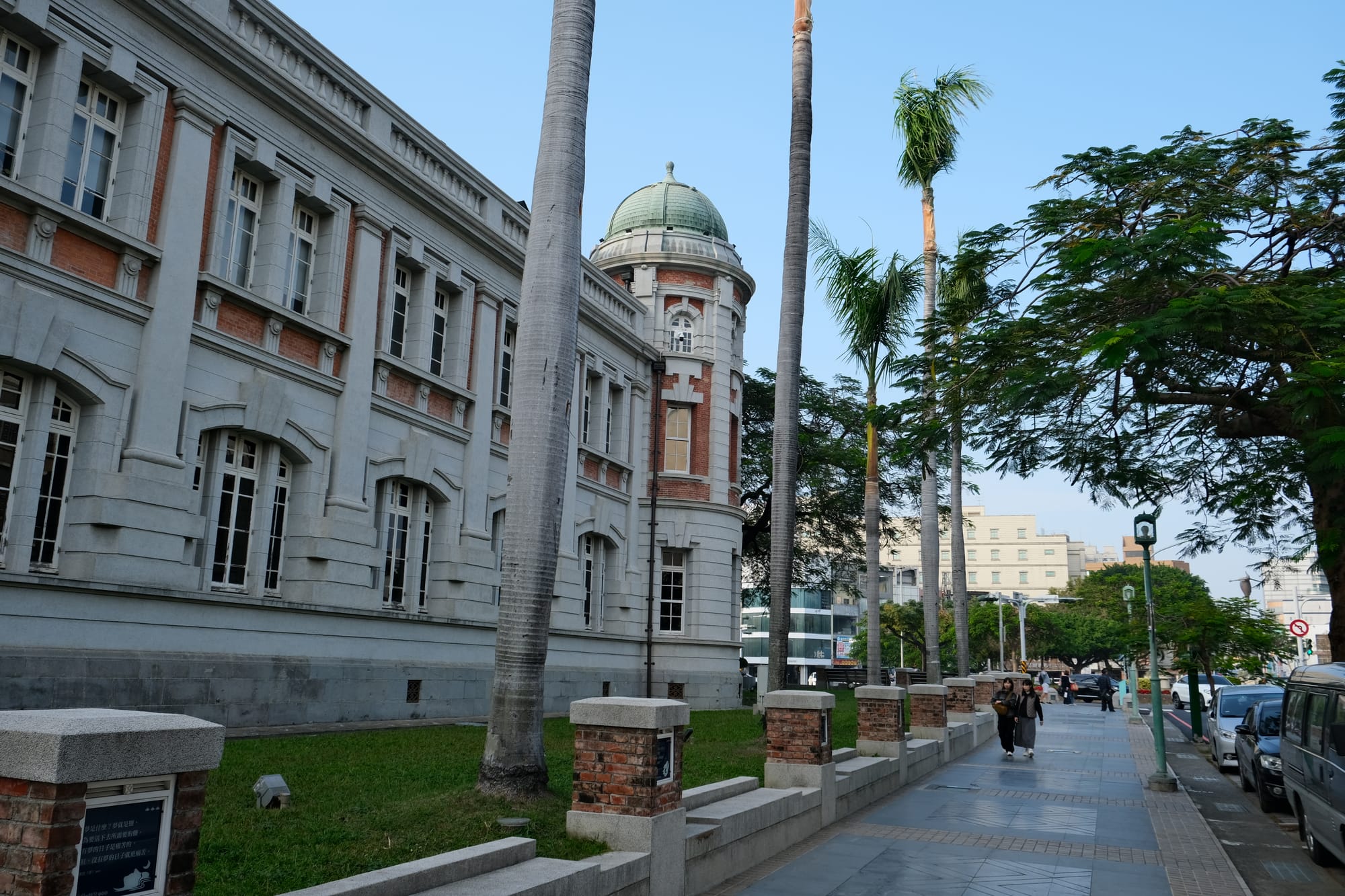
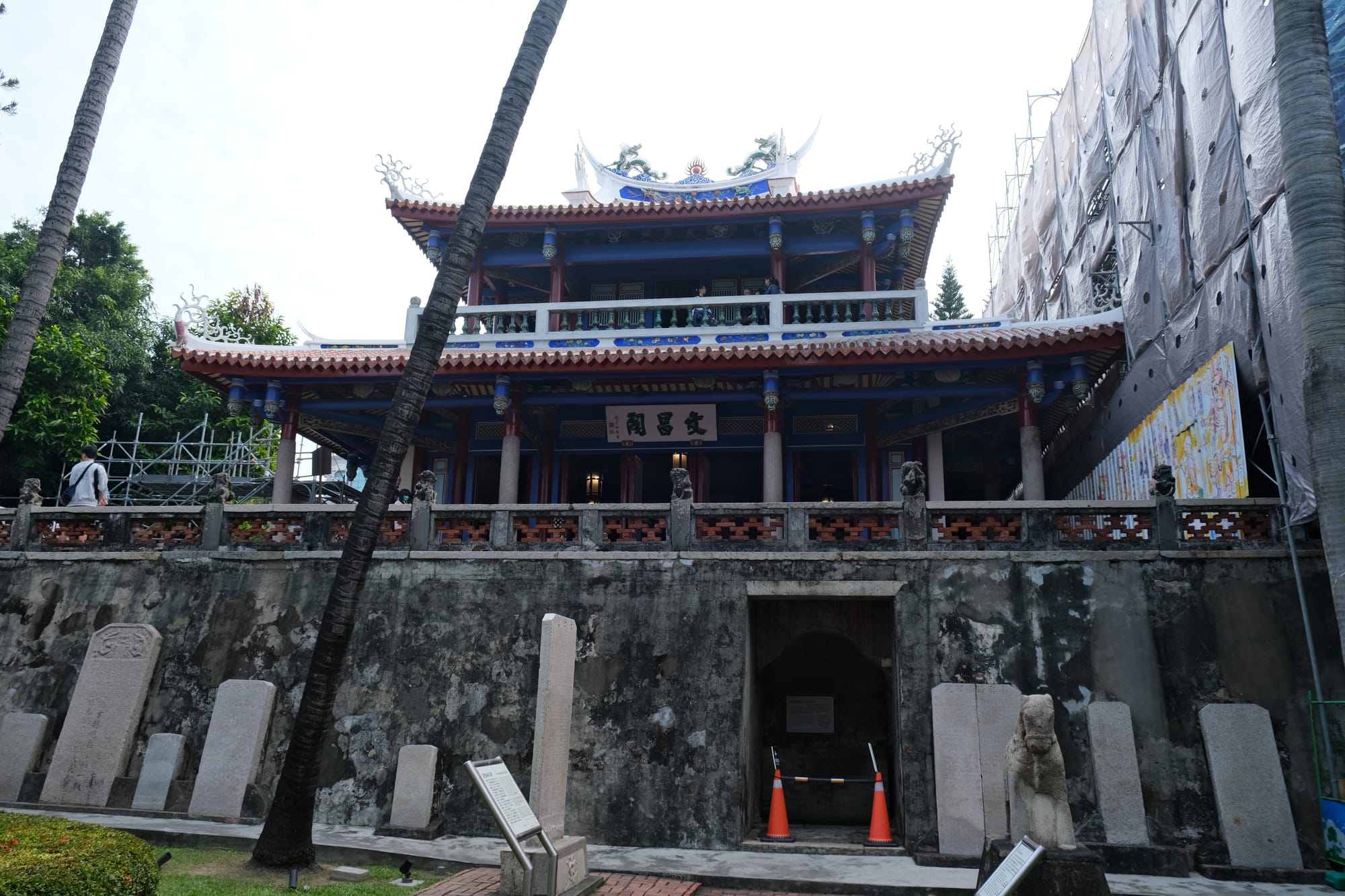
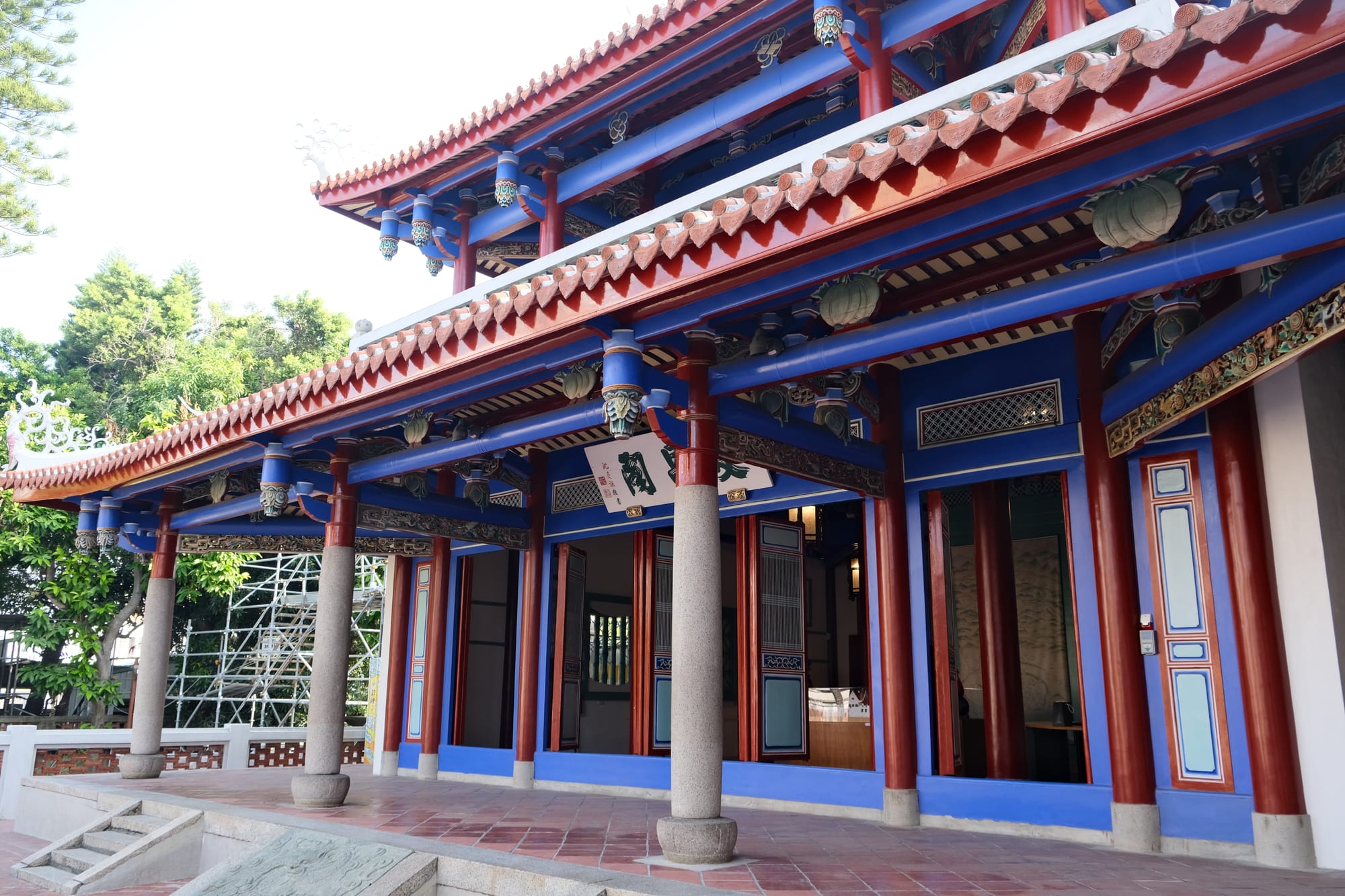
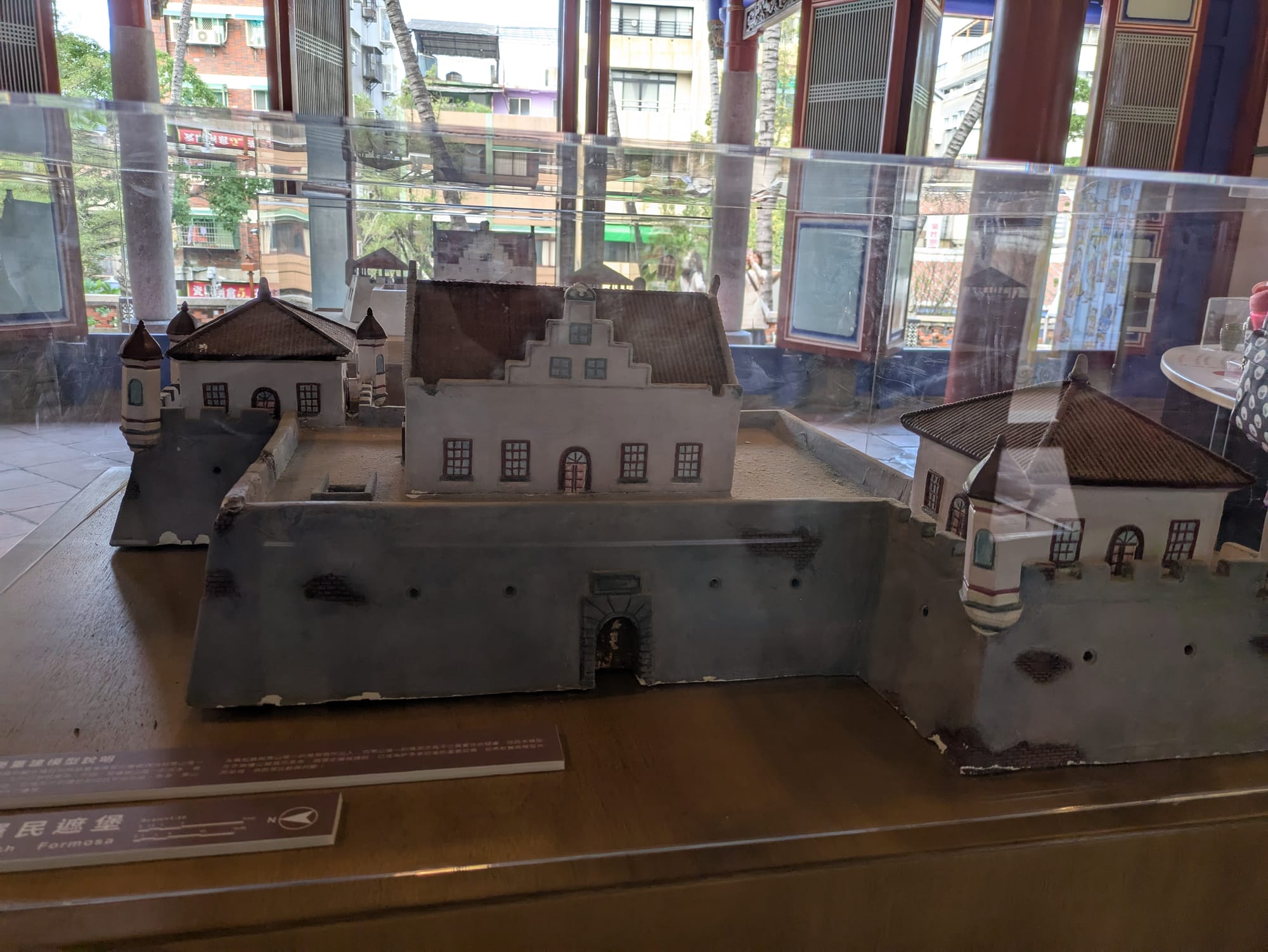
The Chihkan Tower. Originally known as Fort Provintia, it was built by the dutch during their rule of Taiwan. Only parts of the original foundation remain and the main buildings were rebuilt in the following centuries by the Chinese and repurposed, at one time it was a school and today it hosts a museum and temple shrine. When I visited the main tower was being repaired, but the smaller one was visible and photographed above. The last photo shows a model of the original dutch fort.
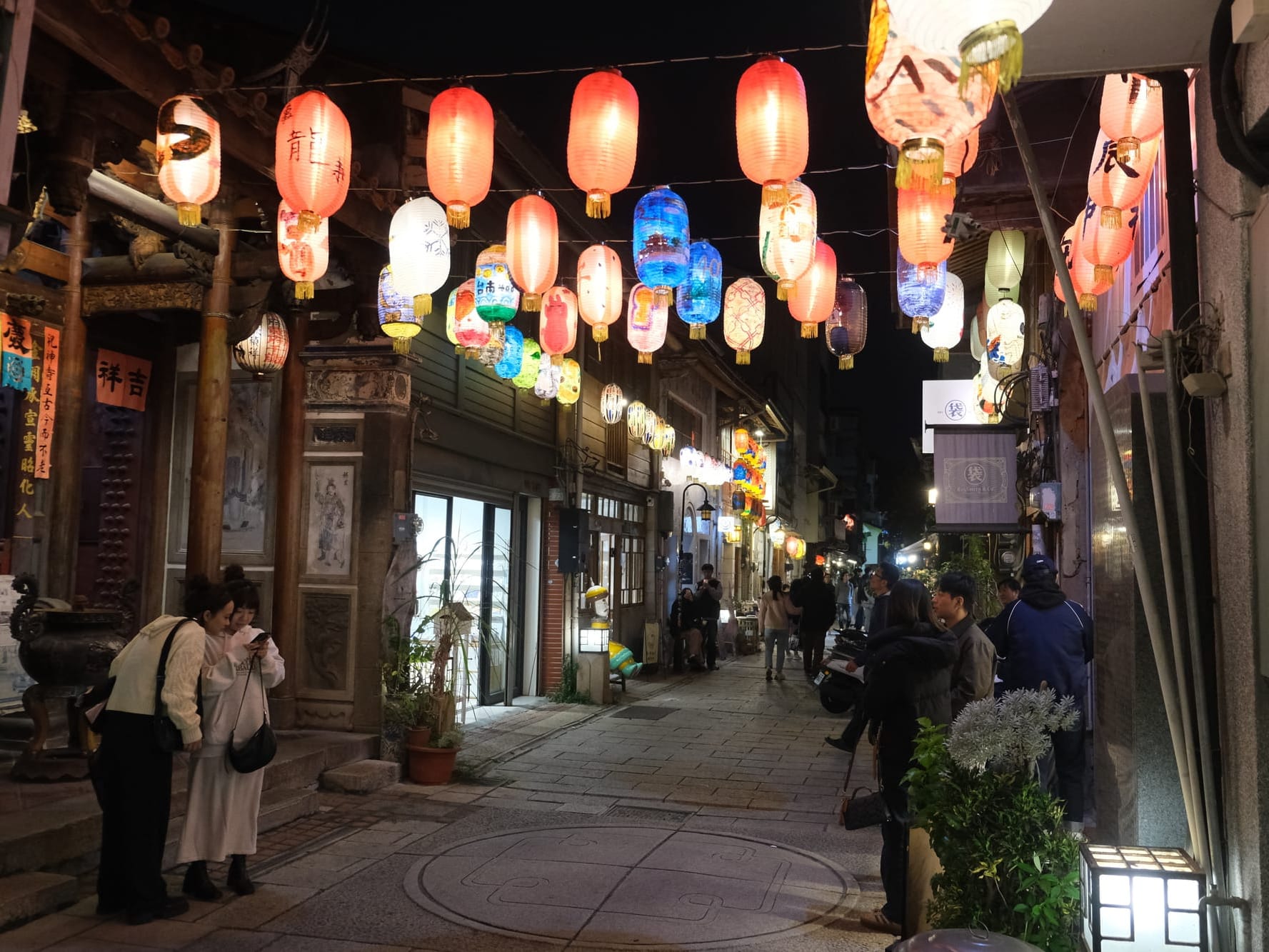
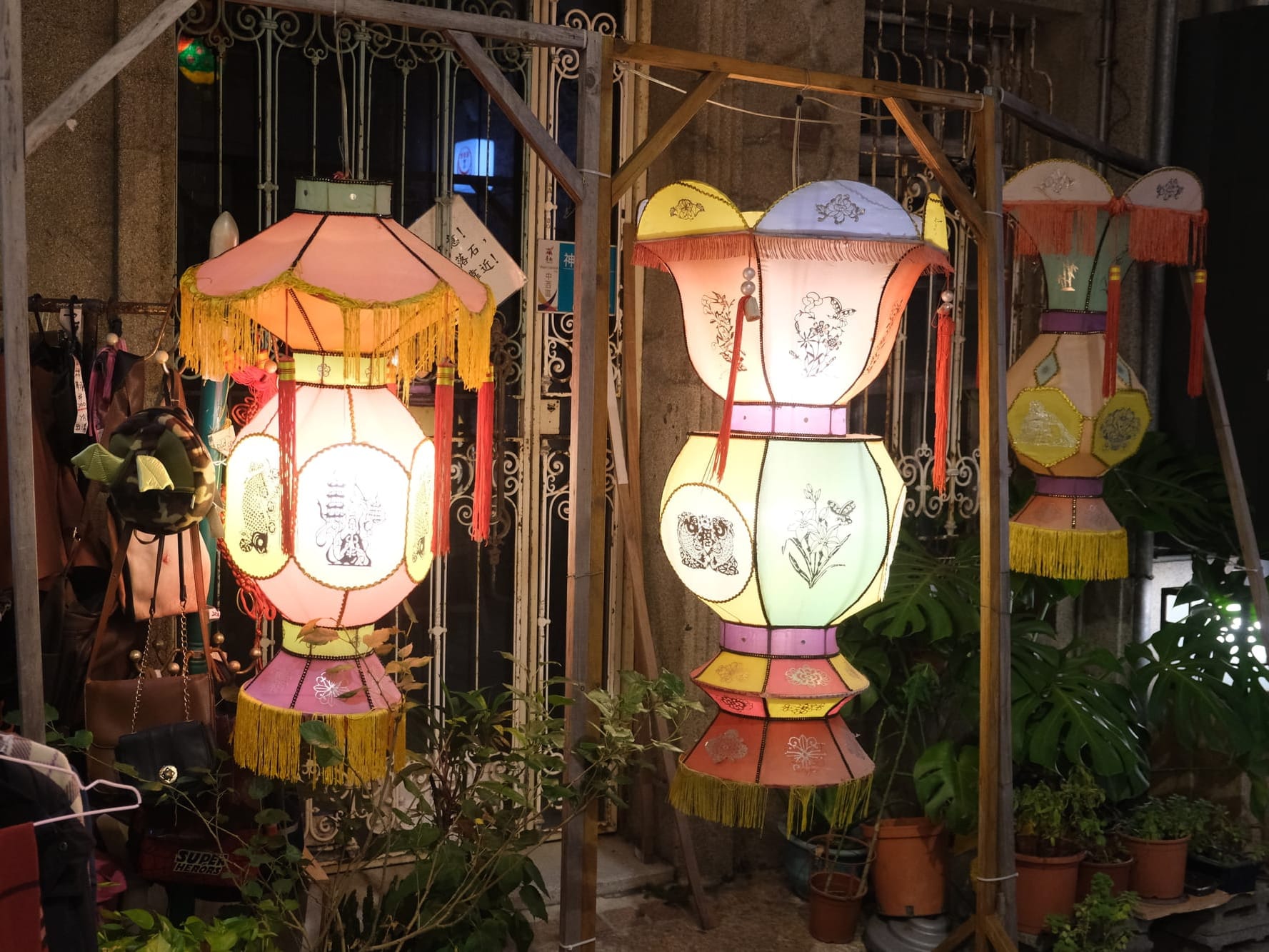
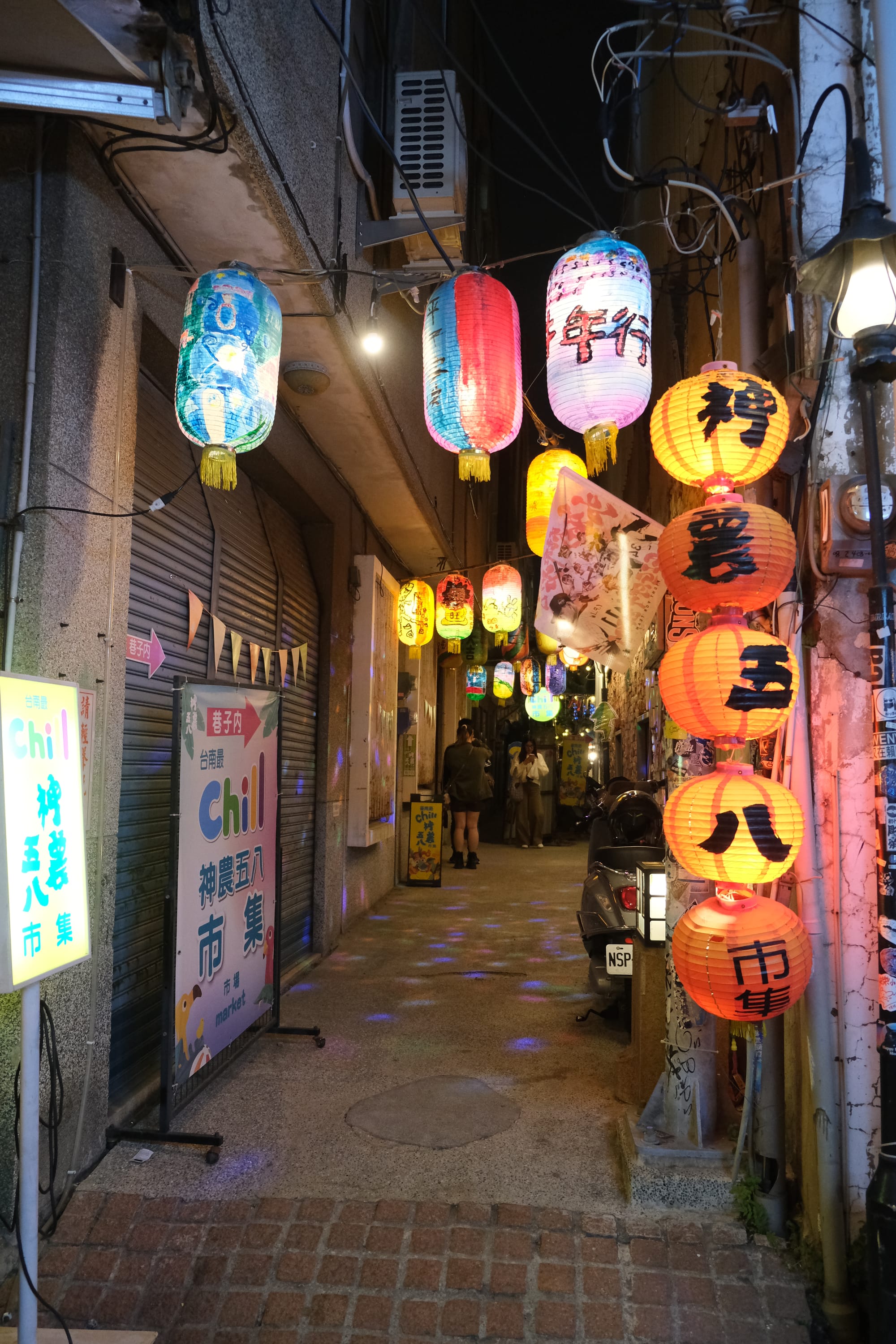
Shennong Street, a market street in Tainan lit up at night with beautiful lanterns.
Anping District
This district is situated at the edge of the main Tainan urban area, close to the ocean. Historically it used to be a peninsula and there was a lagoon between Anping and the old Tainan city. The dutch used this peninsula to built a fortress and town called Fort Zeelandia. In the centuries that followed the lagoon filled with sediment and disappeared so that now it is possible to drive, or take a bus, from the central district to Anping. I did a day trip to this district as there were a couple of interesting and historical sites to explore.
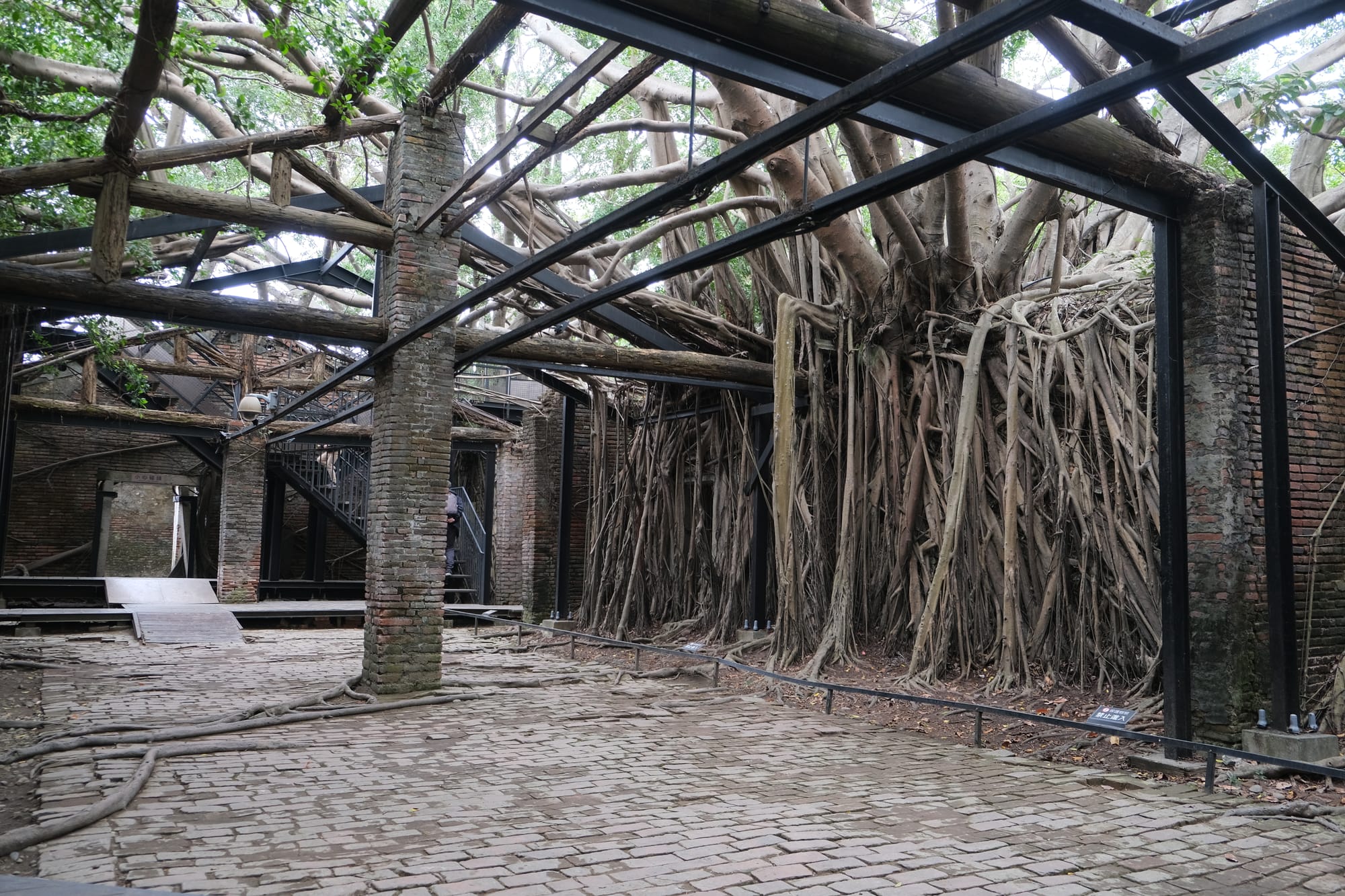
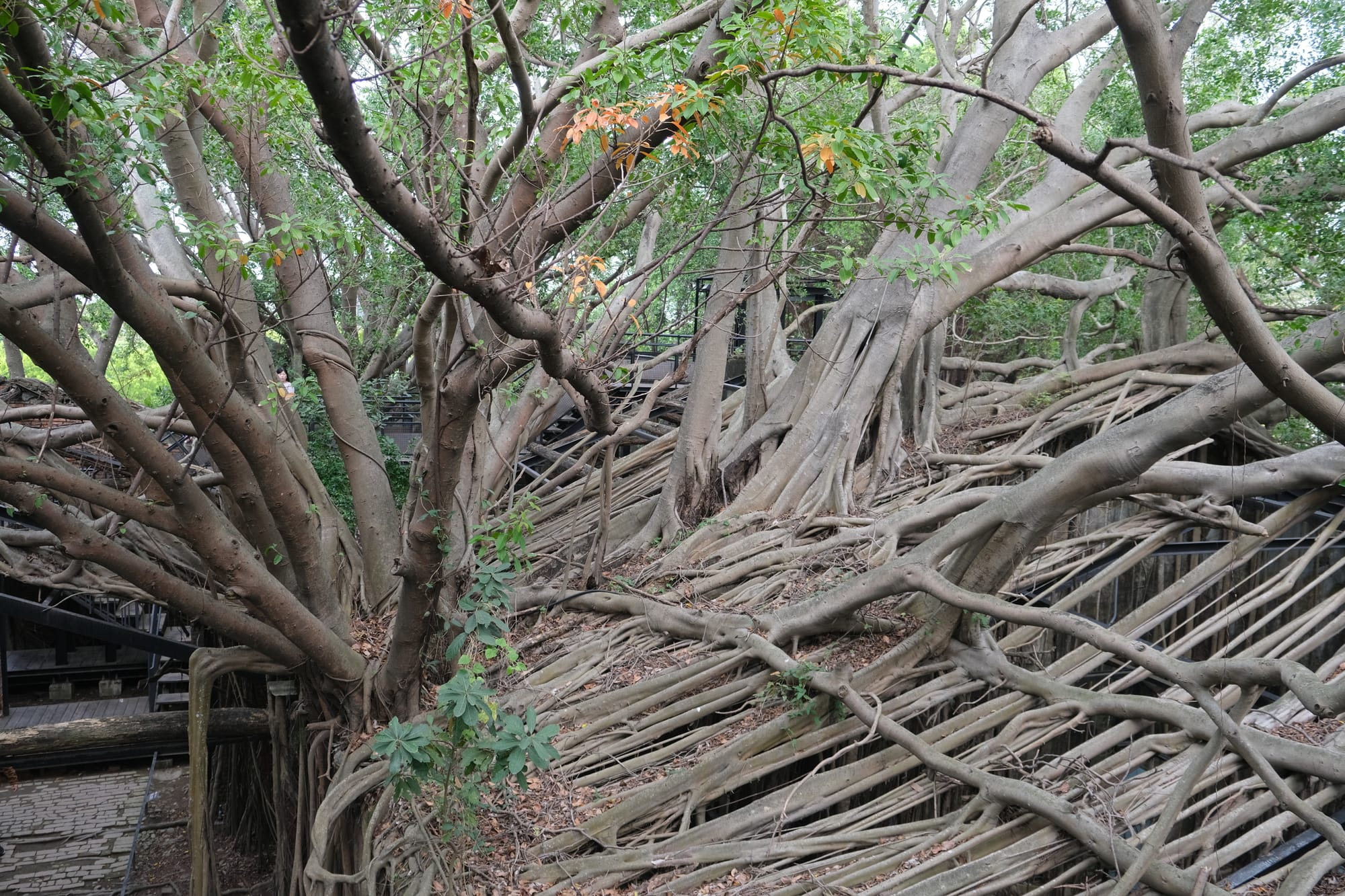
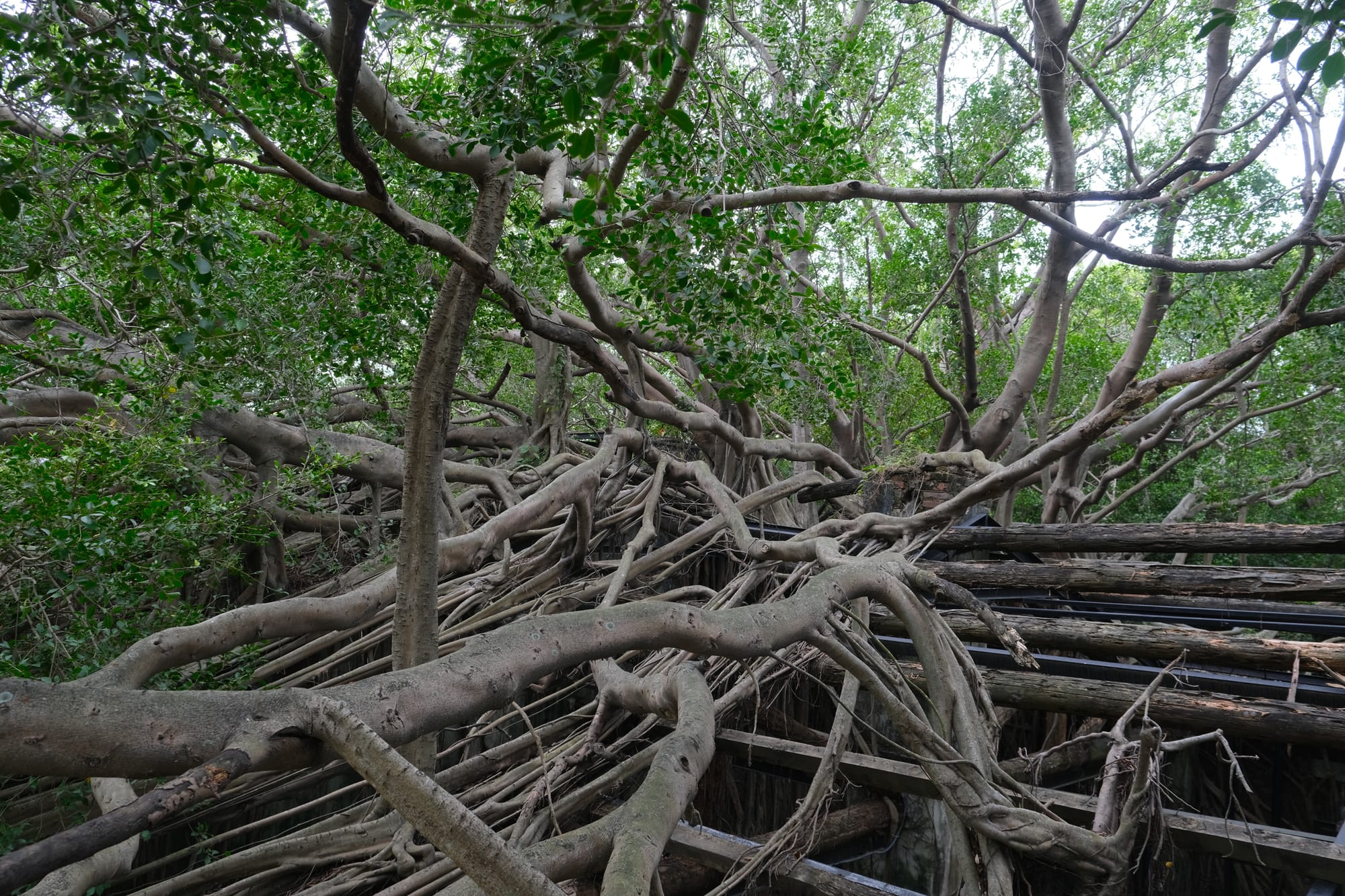
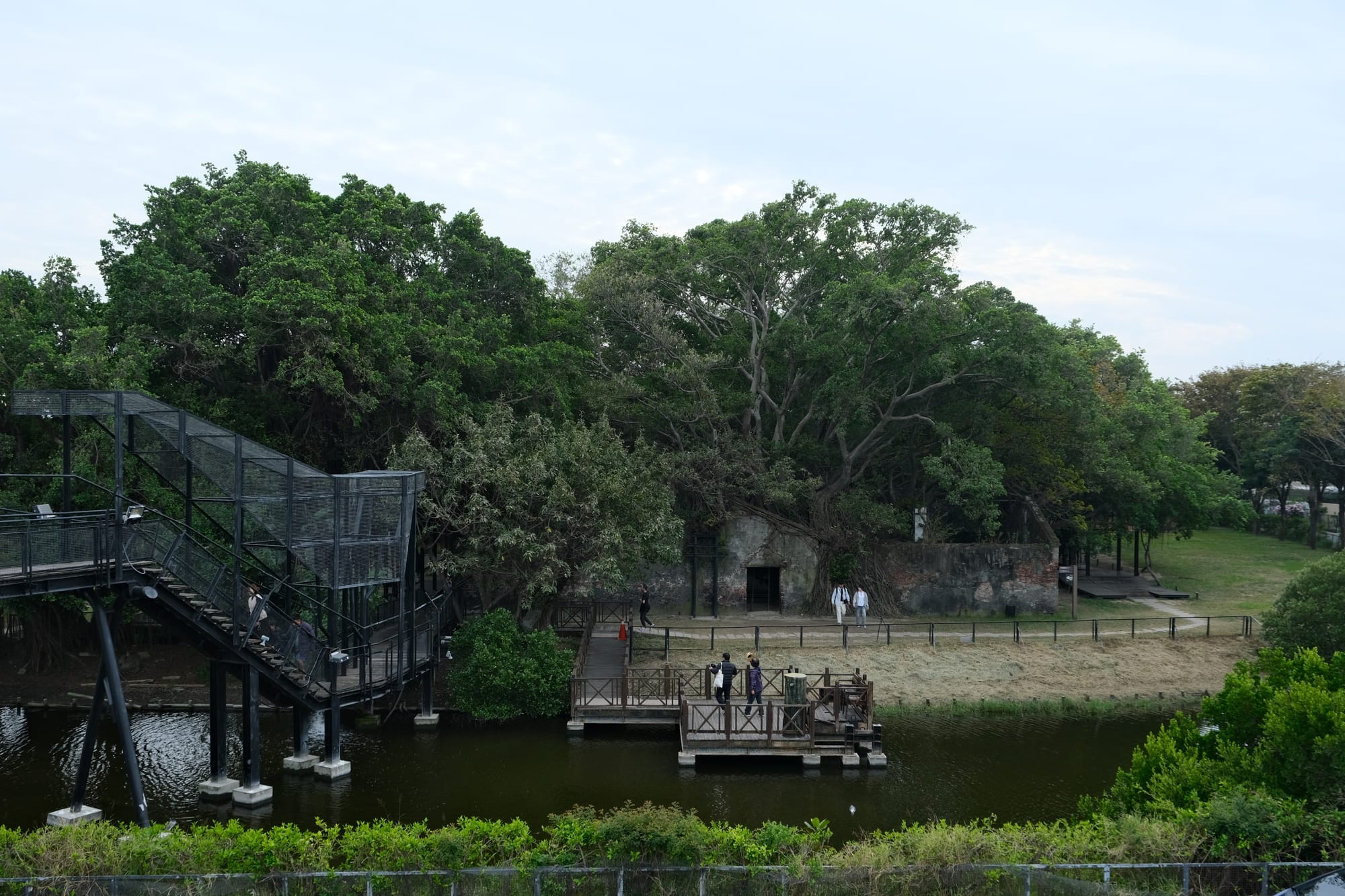
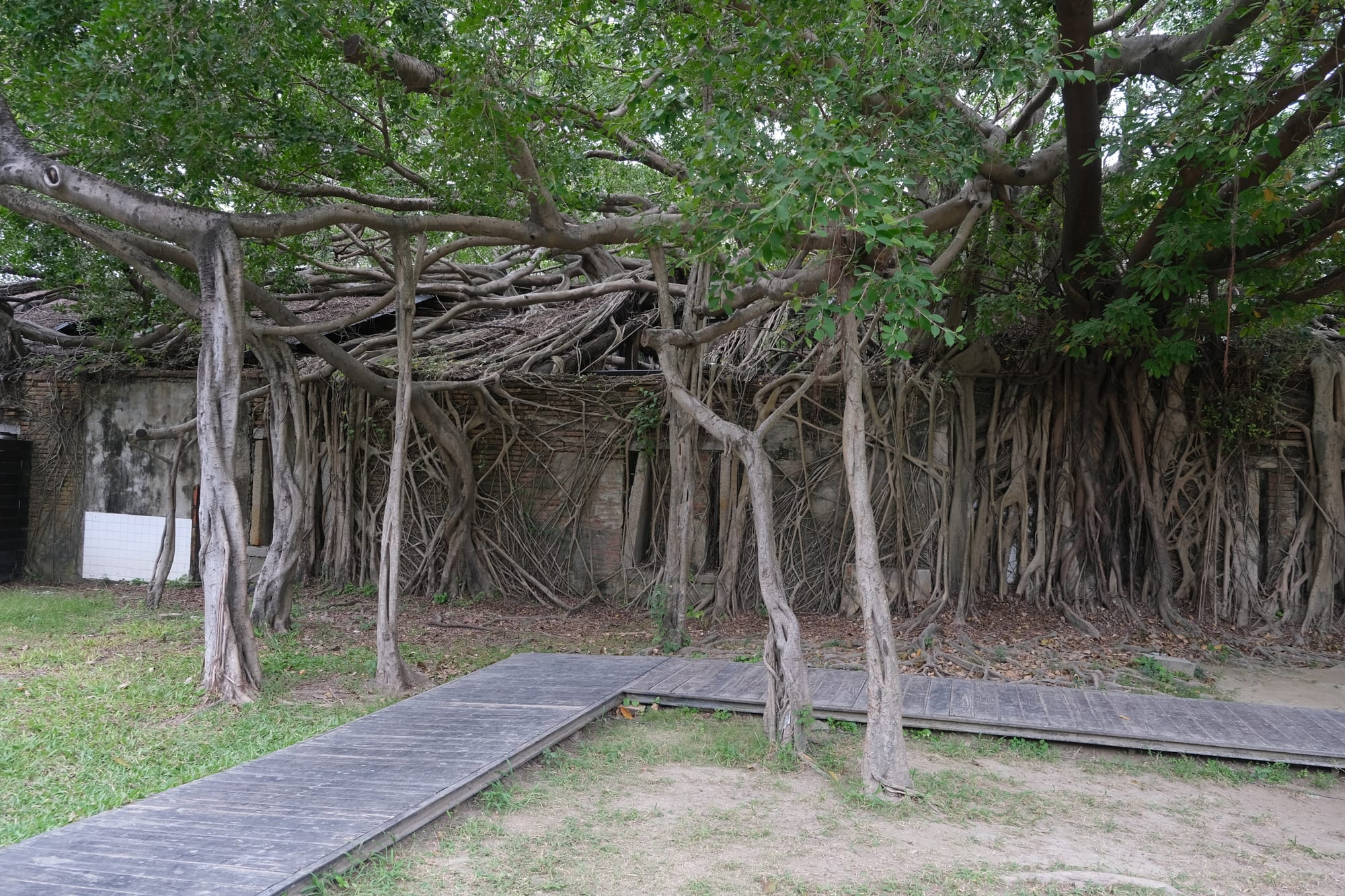
The Anping Tree House. An old World War II era warehouse that was abandoned for sixty years, it was overrun by Banyan trees until someone decided to turn it into a scenic park. I found the site fascinating especially how the Banyan tree roots covered almost every wall and still mold themselves to the shape of the roof long after it decayed away.
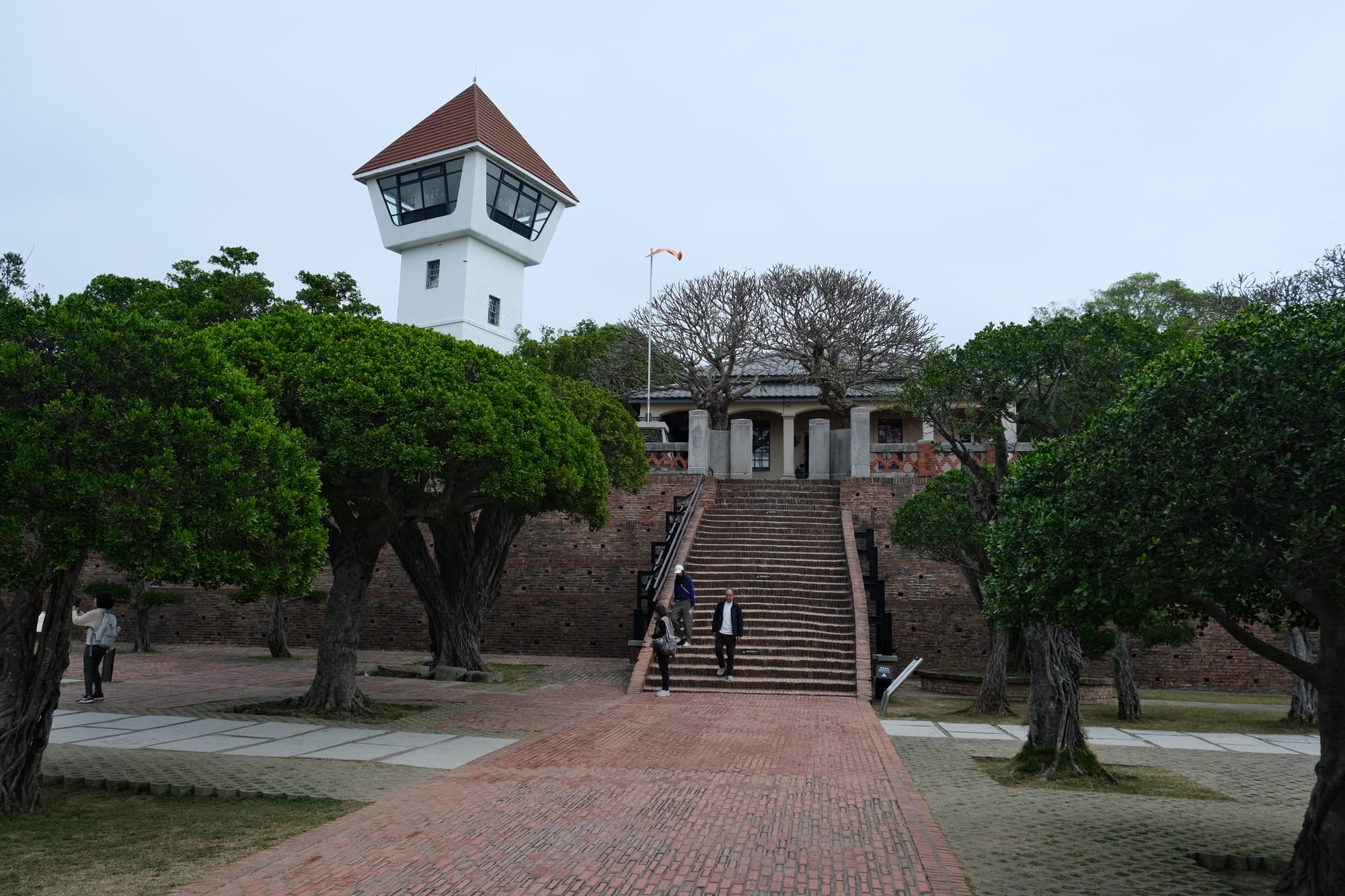
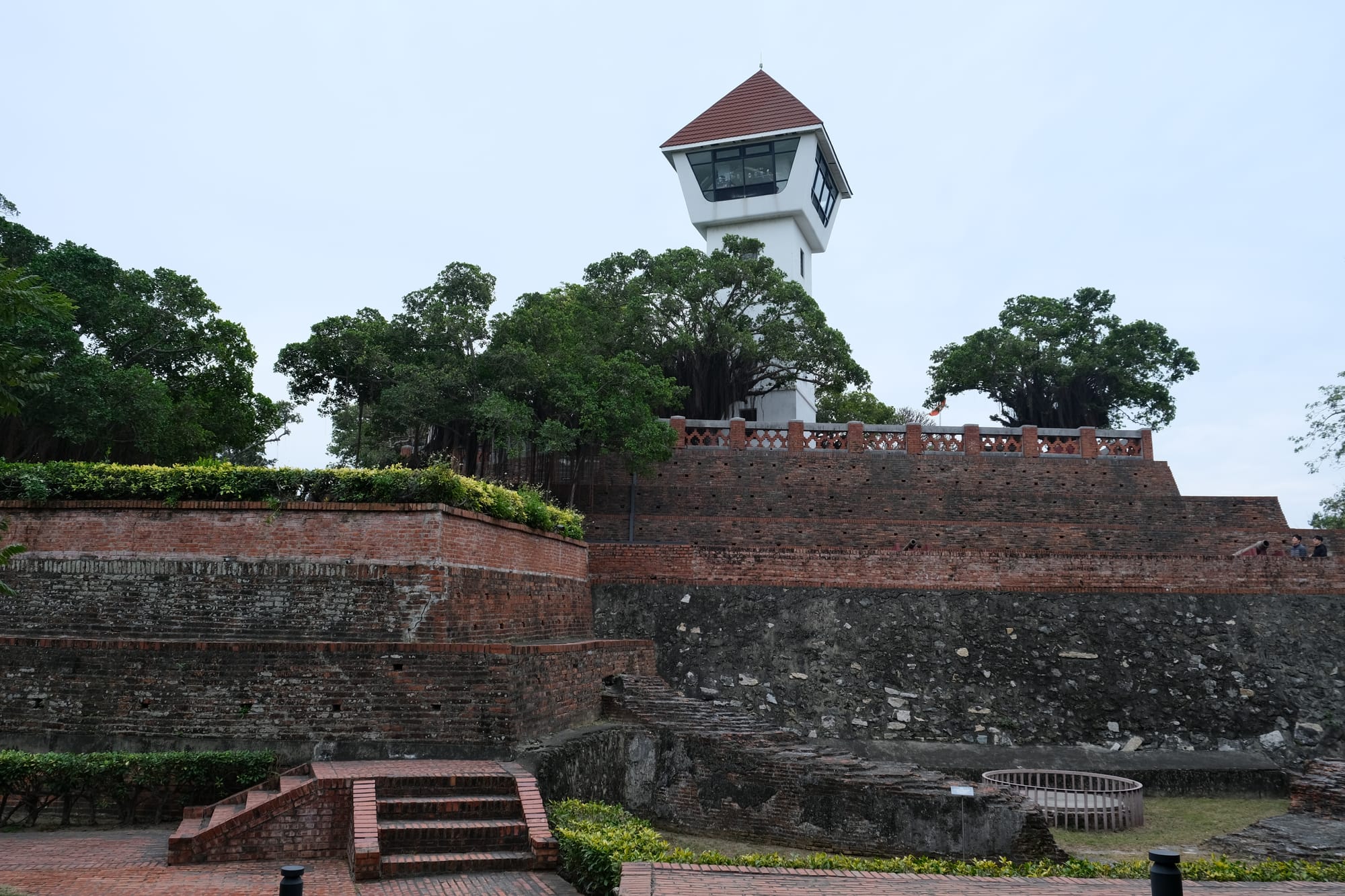
The Anping Old Fort. Originally Fort Zeelandia, built by the Dutch, it was rebuilt a couple of times over the centuries by both the Chinese and Japanese, today it is is a historical museum.
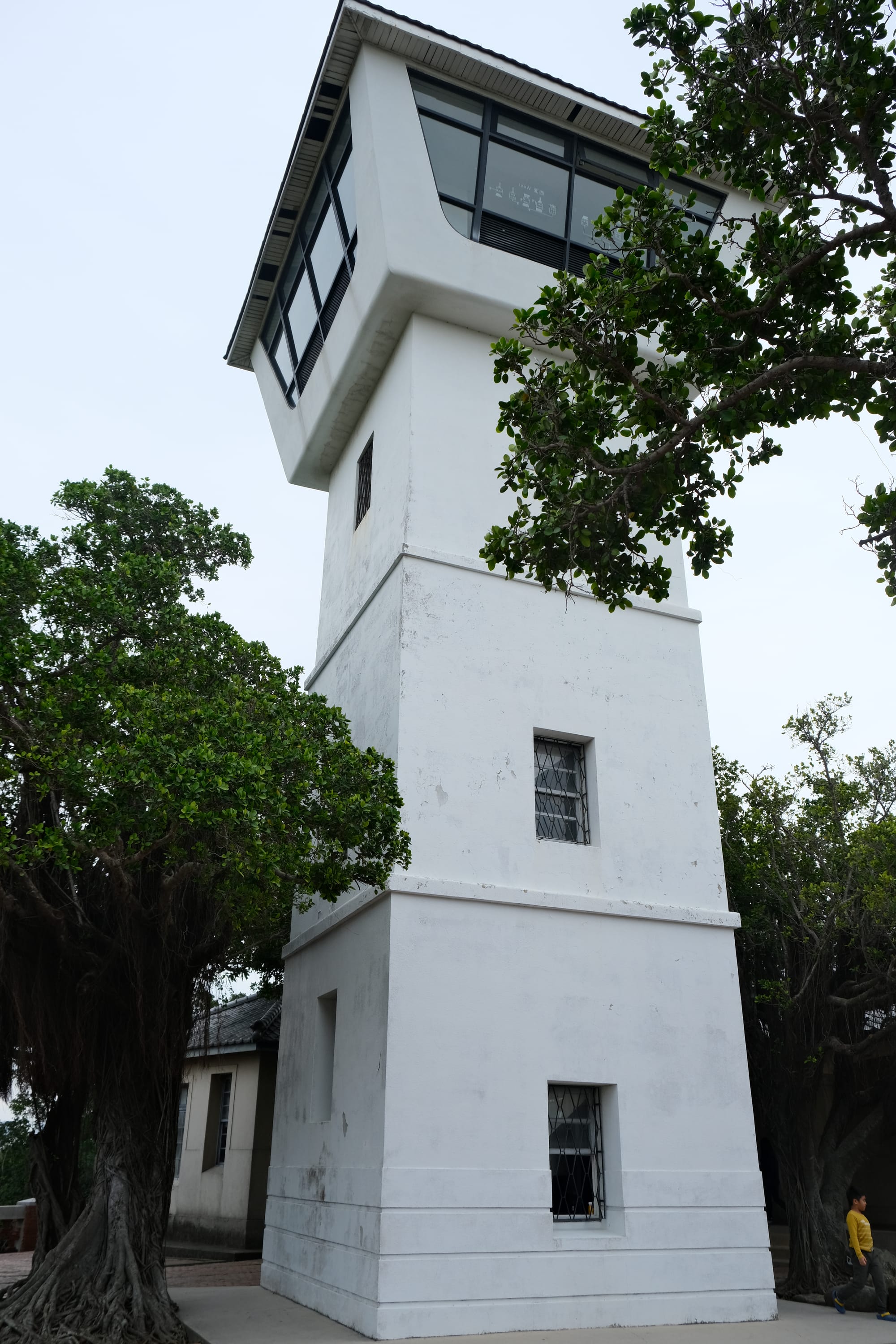
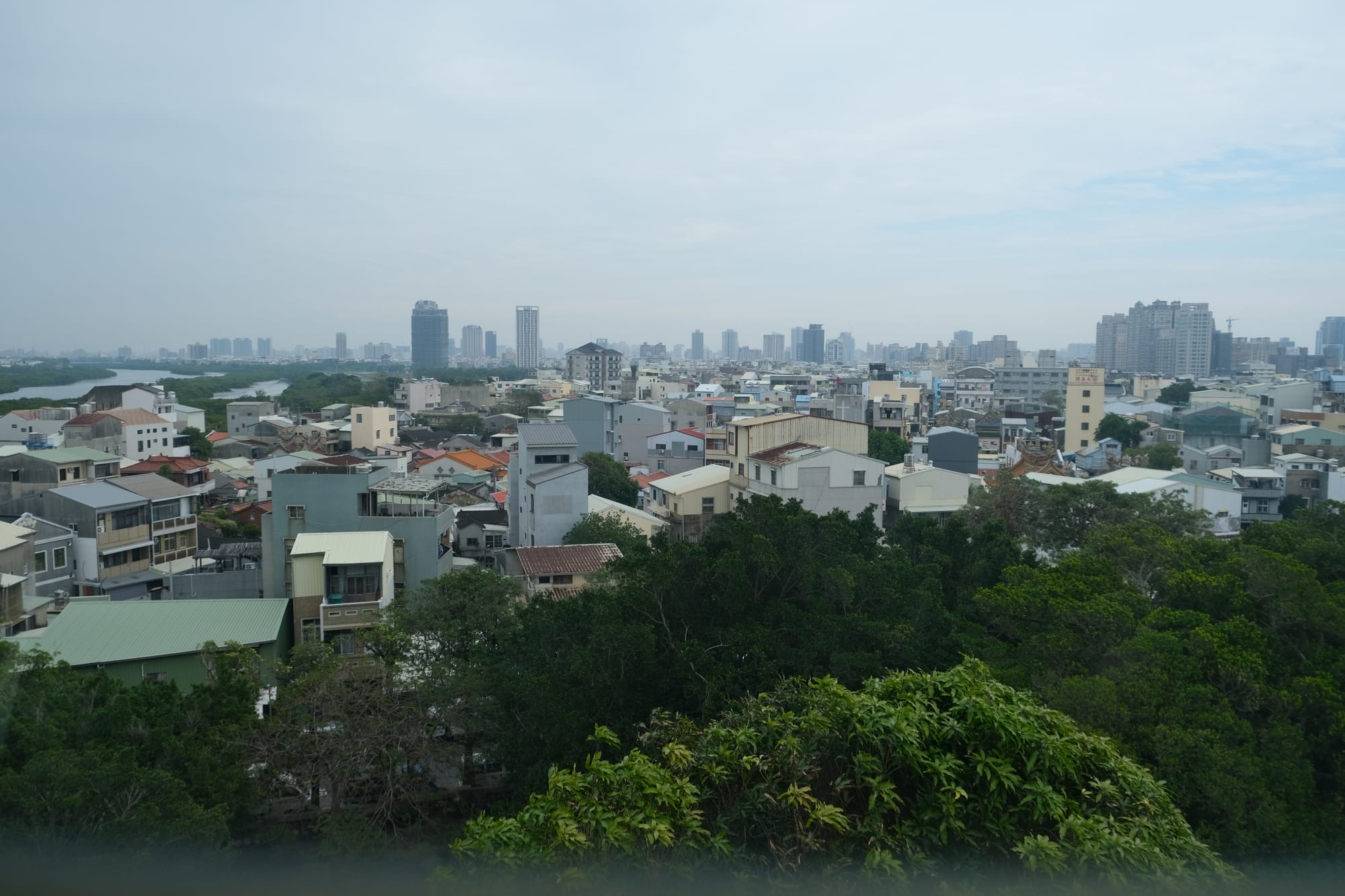
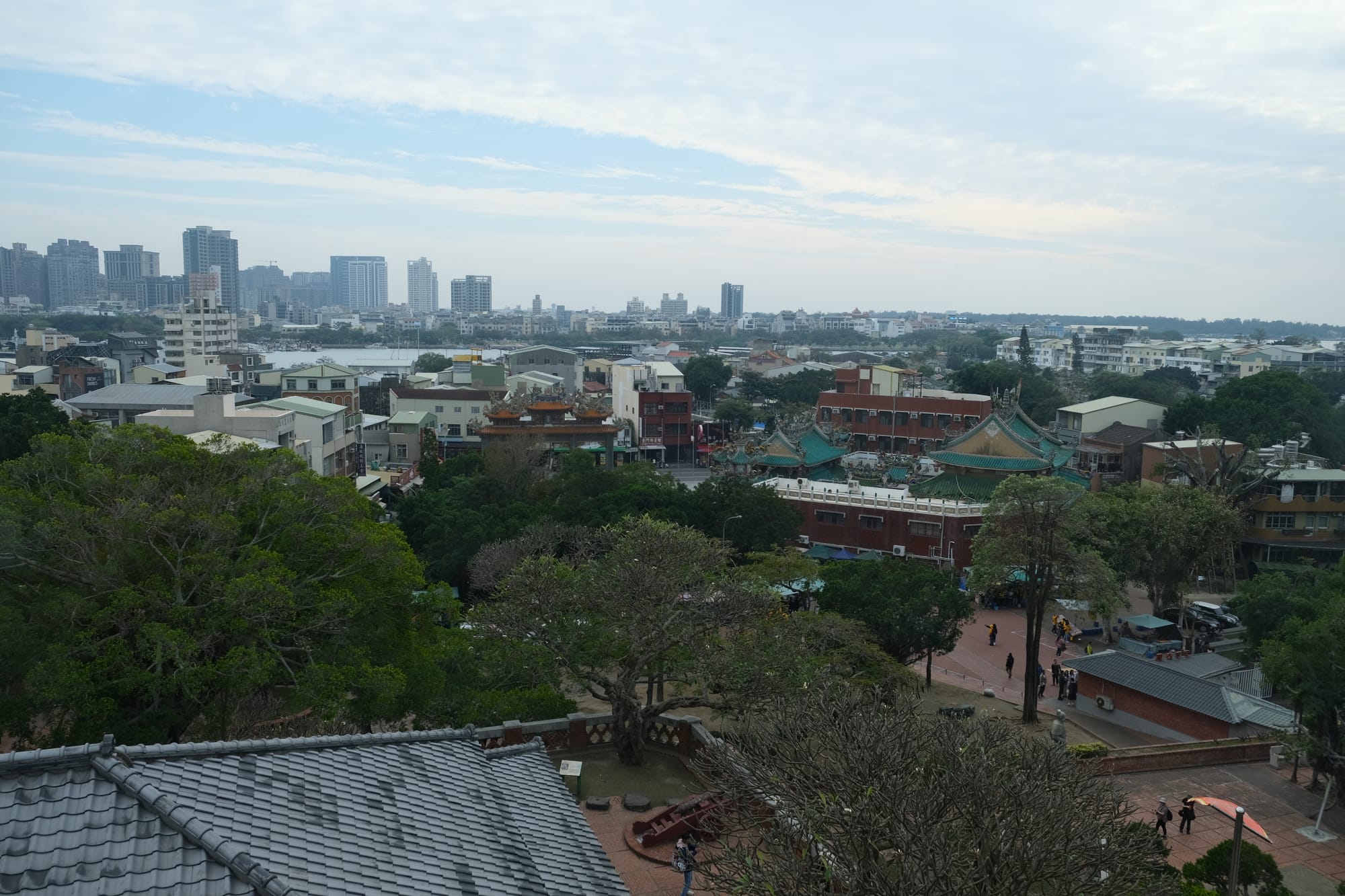
I could climb up the rebuilt tower and see the skyline of Tianan.
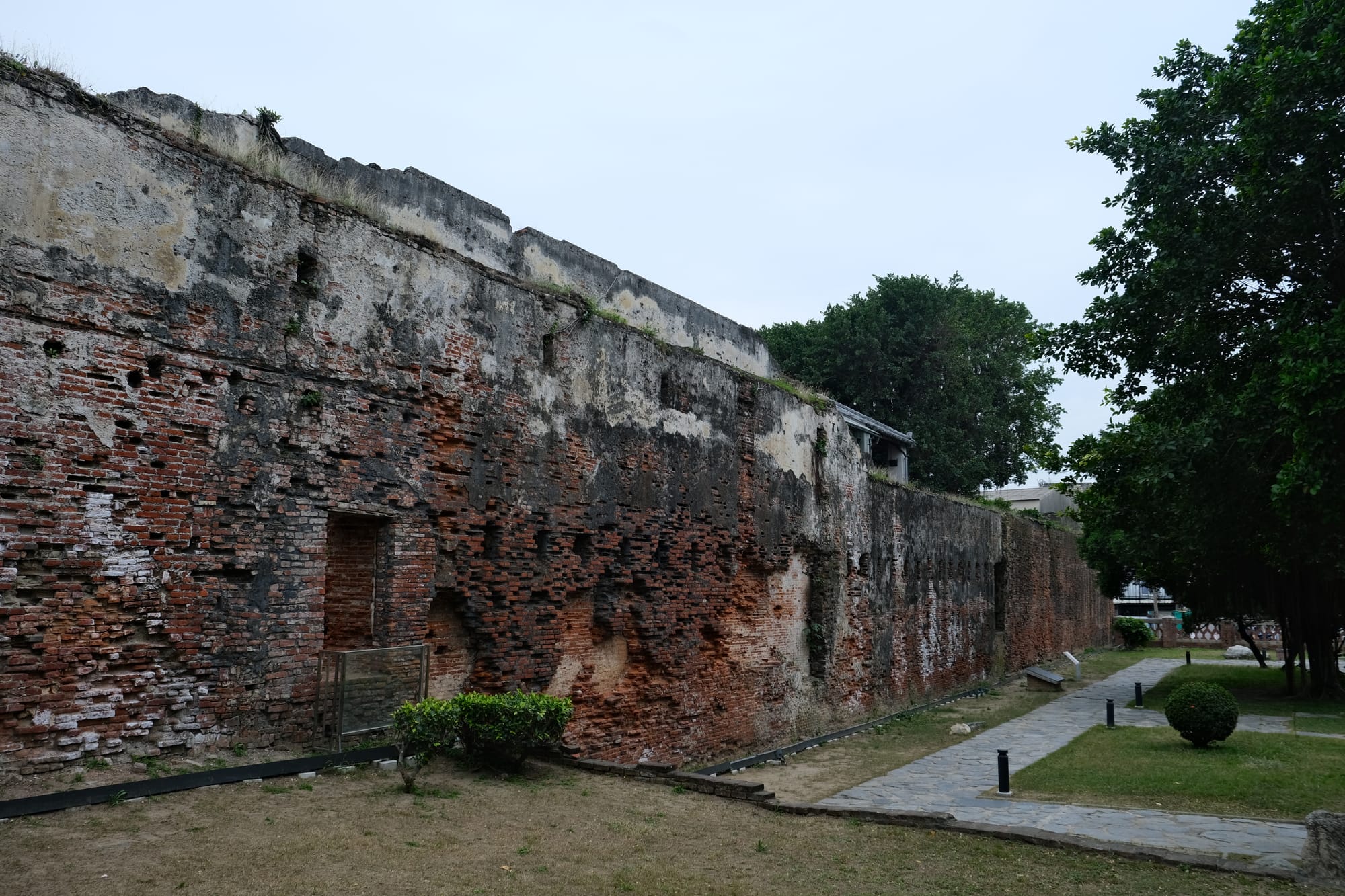
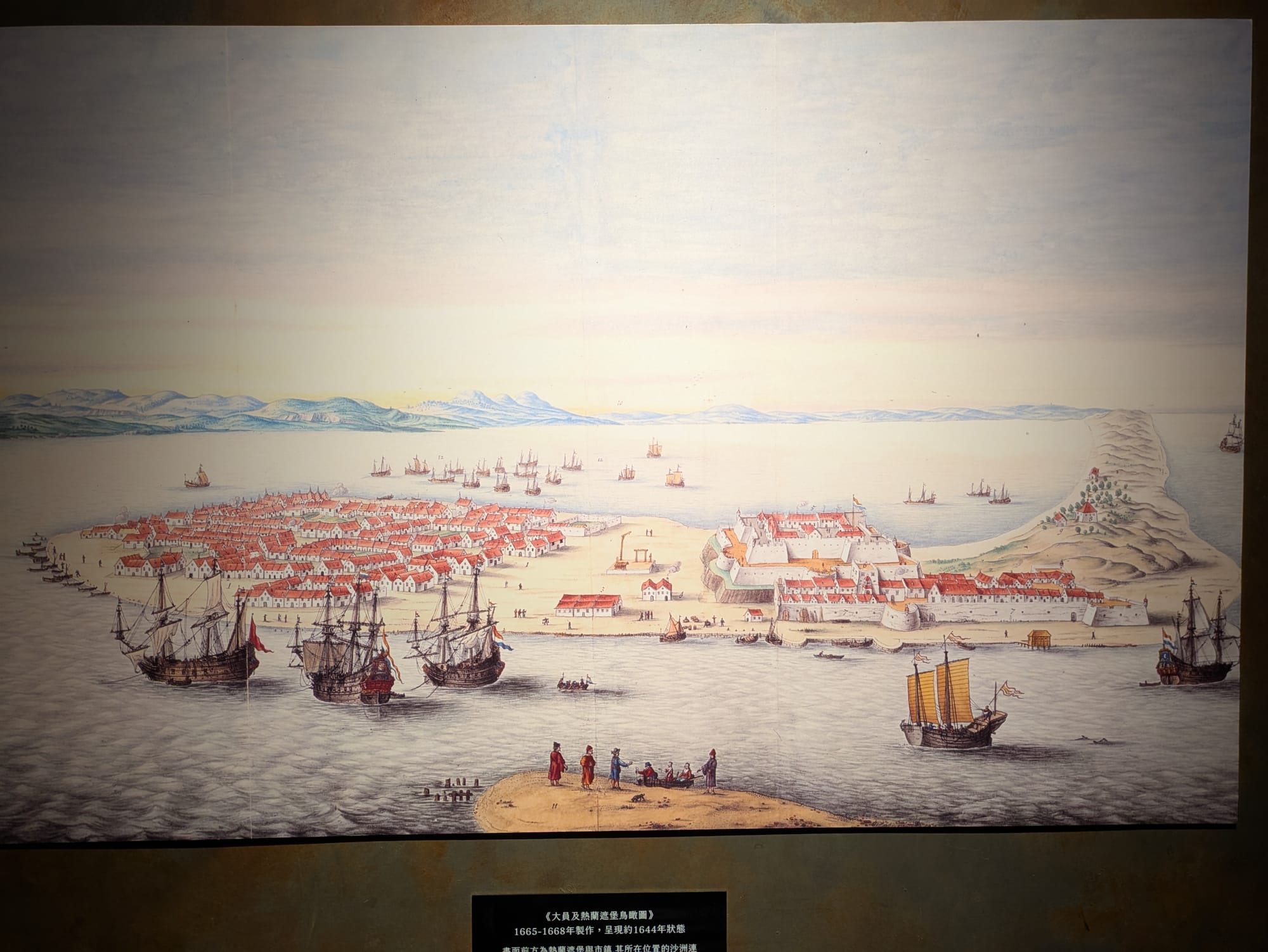
This was one of the original walls of Fort Zeelandia. The second image shows a picture of what the fort would have looked like in the 1600s.
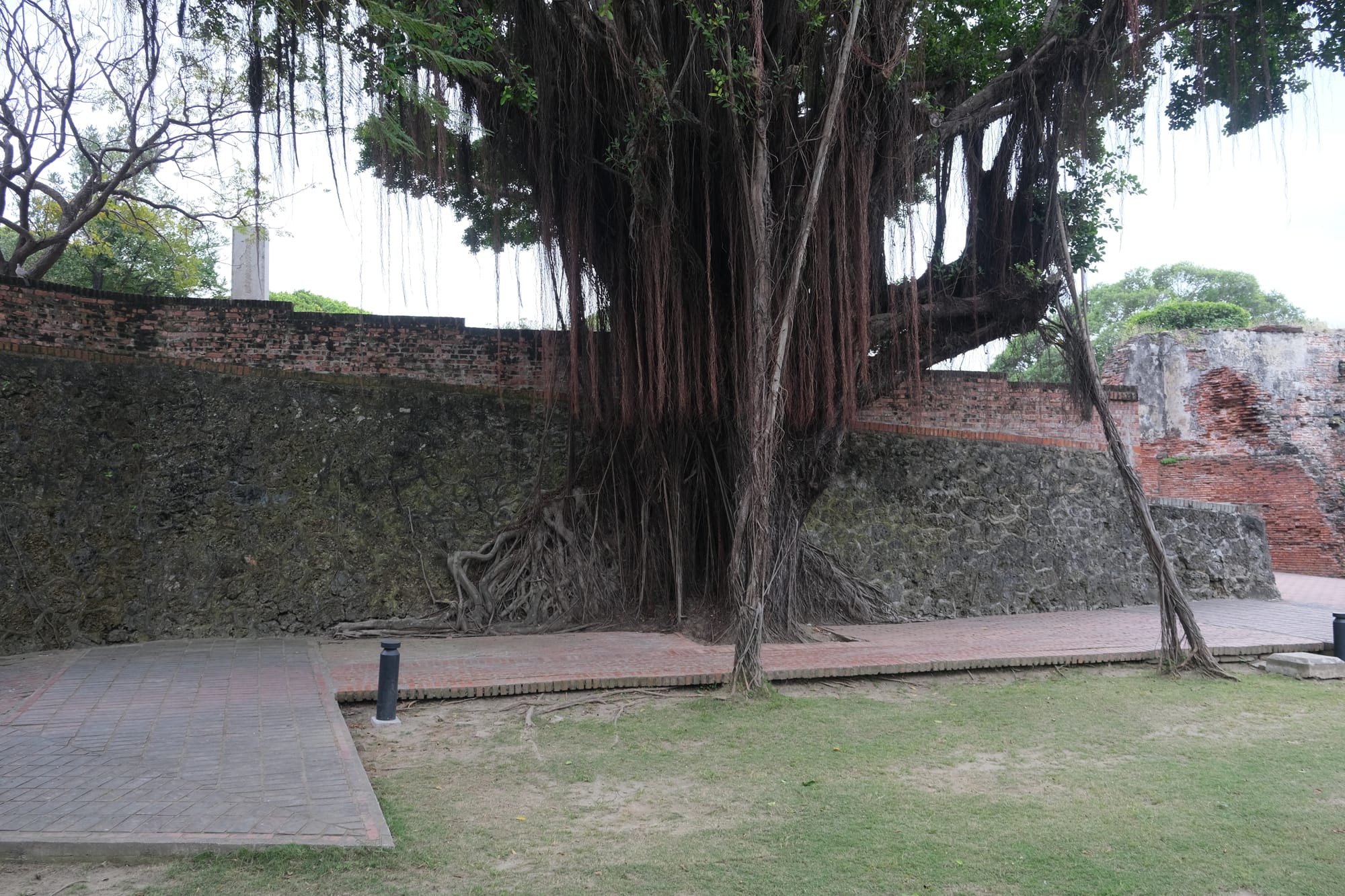
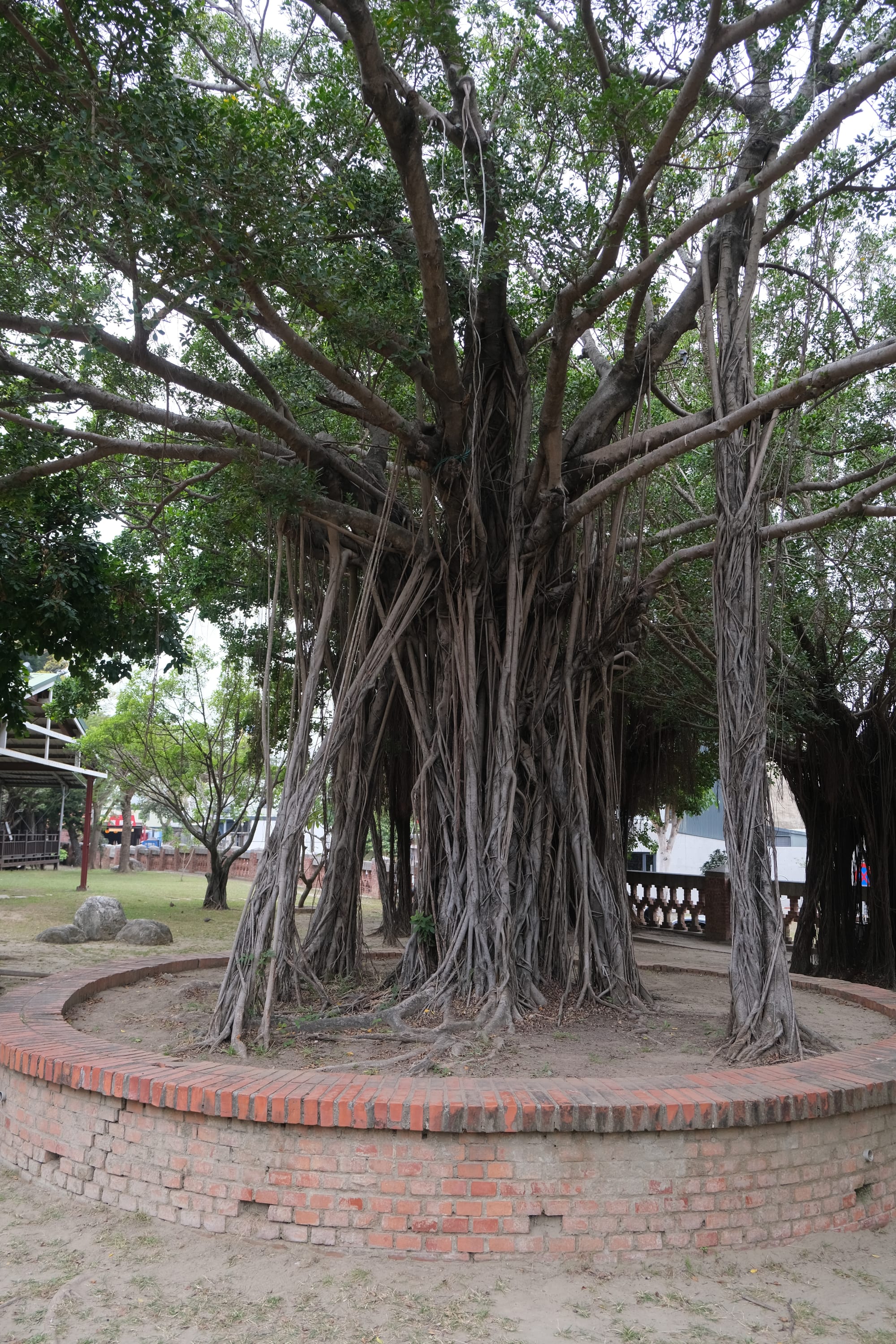
I saw Banyan trees all over Taiwan, but here in Anping was where I learned about them. The roots that hang from their branches can absorb moisture from the air, and when they make contact with the ground they solidify to become additional supports for the tree. These trees were located at the Anping Old Fort and showcase the roots that have become pillars.
Experiencing Tainan
I loved my time in Tainan and I will definitely have to visit again. While it was a big city it didn't feel too big (like Taipei) and I felt it was a good size to explore with plenty of attractions to see. Probably the only main downside of the city is the transport infrastructure that is a little too car focused. There isn't a metro system so the only way to get around on public transport is by bus. Thankfully, this wasn't too much of an issue for me as the hostel I stayed in was centrally located, so I could walk to most of the scenic sights within the central district.
Speaking of my hostel, it was fantastic, the best hostel I have ever stayed in. If you ever visit Tainan I would have to recommend the Cao Ji Book Inn Hostel. The atmosphere was really lovely with books everywhere, in all the rooms. The sleeping capsules were located behind the bookshelves and felt very private, with a secure locker beneath big enough for my bag. There were multiple common rooms with plenty of space to cook meals and to relax. I even made a friend with a lady in the common space who didn't speak much English but was so friendly she wanted to share some food (a sugar apple) and a conversation with me anyway.
I really loved the food in Tainan. While there were good food options throughout Taiwan, in Tainan I had the most success in finding vegetarian restaurants. The hostel was right next door to a great vegetarian restaurant that was recommended to me by the walking tour guide; he also taught me how to recognise the Chinese symbols for vegetarian food. I was also told about an excellent dumpling place that serves all vegetarian food and this may have been some of the best food I had in all of Taiwan.
I also spoke with a few people while in Tainan, which is not usually normal for me. I met some people at church, through the hostel, and at the walking tour, and through my friend from Taiwan. While Tainan itself is a beautiful city it was more beautiful for the wonderful people I met there as well.
As I write this I am realising that Tainan really was a microcosm for my overall experience in Taiwan. I experienced delicious food, beautiful temples, historical sights, natural sights, and met wonderful people. All these things I experienced throughout Taiwan but especially I enjoyed them here in Tainan.
Thanks for reading – Edward
Written 4th of February 2025